Dyslipidemias: Pathophysiology, Evaluation and Management provides a wealth of general and detailed guidelines for the clinical evaluation and management of lipid disorders in adults and children.
Ischemic brain damage represents a major source of morbidity and mortality in westernized society and poses a significant financial burden on the health care system.
This succinct resource provides an ideal balance of the biology and practical therapeutic strategies for classic and non-classic BCR-ABL-negative myeloproliferative neoplasms.
The prevalence of hypertension is almost three times as high as that of diabetes mellitus type 2, with both conditions being major risk factors for stroke, ischemic heart disease, cardiac arrhythmias, and heart failure.
Peripheral and Cerebrovascular Intervention draws upon experts from diverse fields to provide readers with a comprehensive foundation for understanding and performing endovascular procedures-from the basic steps to the most current and advanced techniques.
Comprehensive Cardiovascular Medicine in the Primary Care Setting provides an authoritative, detailed discussion of cardiovascular disease balanced with practical utility.
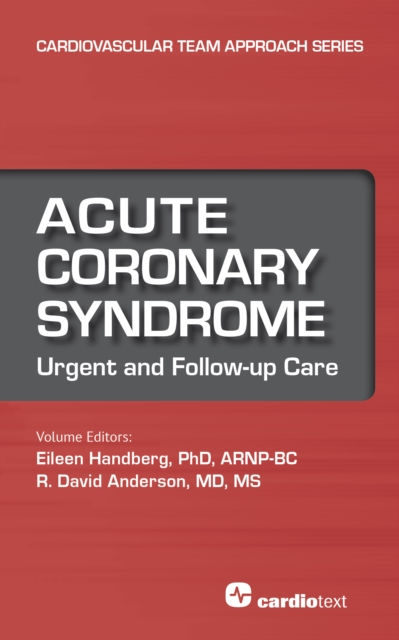
Acute coronary syndrome (ACS) continues to challenge our health care system in the complexity of presentation and the ever increasing number of patients exhibiting signs and symptoms of an acute coronary syndrome.
After 17 years of private practice as a cardiovascular surgeon, my partners qu- tionedtherationalityofmydecisiontoleavetheclinicalpracticebehindandbecome acardiovascular pathologist.
Over the past three decades, carotid artery stenting has evolved to become a promising and viable alternative to carotid endarterectomy, especially for patients deemed to have high surgical risks.
Substantial morbidity and mortality remains associated with thrombotic events has stimulated the rapid expansion of the available armamentarium to combat pathologic thrombosis.
This timely volume addresses the areas of pathophysiology and therapy of pulmonary hypertension, which have seen exciting developments over the past decade.
Interstitial lung disease (ILD) is a broad category of lung diseases that includes more than 150 disorders characterized by scarring or fibrosis of the lungs.
In the United States, 40 to 45% of those over 60 years of age have the metabolic syndrome (1,2,3), and this percentage, based on estimates of the increasing prevalence ofexcess body weight and the more comprehensive diagnostic criteria for the syndrome, is likely to exceed 60% in newer survey analyses.
Neurointerventional radiology is evolving into a rarified and complex field, with more people today training to become neurointerventionalists than ever before.
The era of cardiac rehabilitation in the United States dates back at least thirty years, when Herman Hellerstein at Case Western Reserve, Andy Wallace at Duke and Ken Cooper in Dallas envisioned that a comprehensive lifestyle approach to the rehabi- tation and prevention of patients having had a cardiac event would potentially yield great benefits for the individual patient and the health care system.
Challenges for the treatment of valvular heart disease include the growing need for effective yet less invasive interventions and therapies to treat these progressive conditions.
In On Bypass: Advanced Perfusion Techniques, editors Linda Mongero and James Beck have distilled the complex field of extrac- poreal circulation and intraoperative mechanical support down to its most basic and important components.
Over the past 5 years there has been great excitement and controversy in the scientific, financial, and lay literature for the potential of stem cell-based strategies for the prev- tion and treatment of chronic heart failure (CHF).
Over the past few decades, cardiovascular disease and diabetes have emerged as major public health problems, both as distinct clinical entities and as comorbid conditions.
In the four pages committed to a discussion of myocardial infarction in the first edition of Harrison's Principles of Internal Medicine, published in 1950, there was no mention of use of the laboratory for management of patients.