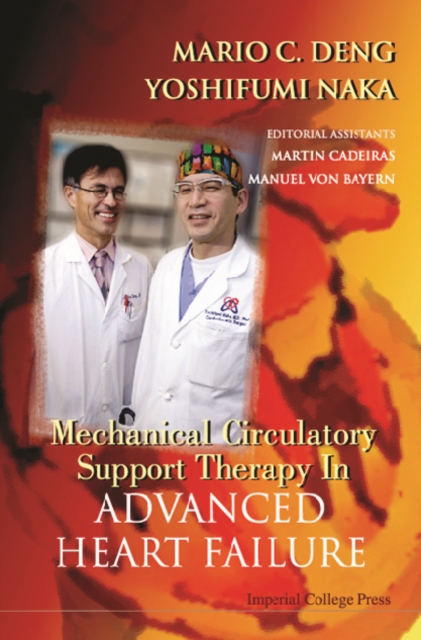
This engaging book provides a state-of-the-art introduction to the rapidly evolving field of mechanical circulatory support therapy in the care of patients with advanced heart failure.
This handbook offers timely investigation of current pharmaceutical trends, clinical guidelines, novel treatments, and ongoing pipeline developments, including ground-breaking advances in the use of novel oral anticoagulants.
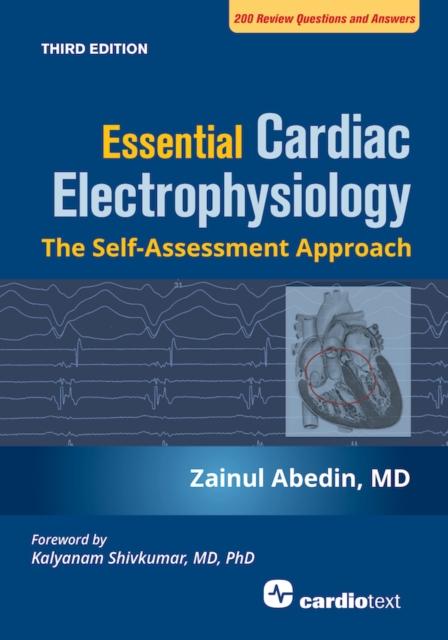
Fact-based and clinically-focused, this new third edition of Essential Cardiac Electrophysiology: The Self-Assessment Approach is an ideal reference in a bullet-point format that provides a concise and essential overview of electrophysiology.
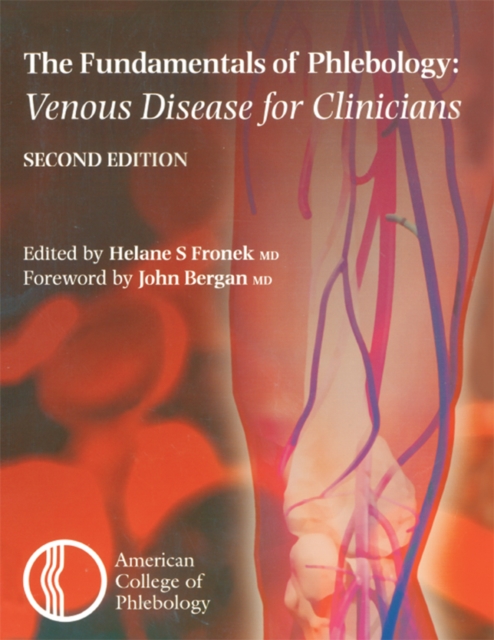
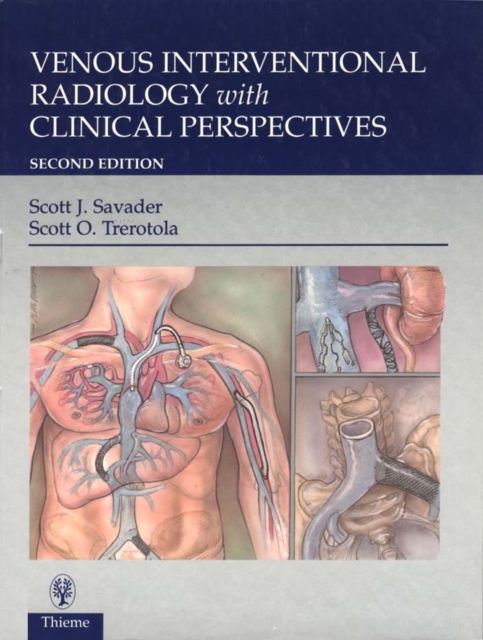
Venous disorders, while generally not life-threatening, affect millions worldwide, causing pain, disability and negatively impacting the lives of sufferers.
The manual is suitable for training electrocardio- without digital recording and that are accompanied graphers and technicians and can be accompanied by other uniquely rich data.
The main aim of this book is to evaluate the concept of stress and provide tools for physicians to identify patients who might benefit from stress management.
There is much discussion in the field of interventional cardiovascular therapy as to what is the best approach to treating coronary bifurcation lesions.
During last two decades, stress echocardiography has progressed from a promising idea to a crucial diagnostic and prognostic tool in various cardiac conditions, particularly in ischemic heart diseases.
Reflecting the latest advances in investigative techniques and treatment, this self-assessment volume contains more than 200 clinical cases in the form of multi-part questions with detailed integrated answers.
A host of imaging techniques are available to clinical cardiologists, including nuclear imaging, echocardiography, computerized tomography, and magnetic-resonance imaging.
This straightforward guide to the recognition and management of ischemic heart disease provides clinically relevant information needed by today's medical practitioners.
150 casos de ECG es la quinta edición de 150 problemas de ECG; en esta edición se ha modificado el título para destacar la importancia de relacionar el ECG con el paciente al que se le ha realizado dicha prueba, procediendo todos los registros de pacientes reales.
This book is a 360 view of vascular pathologies and an introduction to the complexity of the most important field in medicine, with topics including cardiovascular disease, atherosclerosis, venous diseases, investigations, population sciences, prevention and the indication of a specialization field.
This series of four video tapes, which is based on the demonstrations pre-recorded by Robert H Anderson and Anton E Becker, two prominent European morphologists, shows the essence of the abnormal morphology within carefully selected autopsy specimens, comparing the findings with appropriately dissected normal hearts, and supplementing the anatomic material with diagrams and cartoons.
Sunao Tawara's epoch-making work on the excitation conduction system of the mammalian heart paved the way for the advancement of modern cardiology in the 20th century.
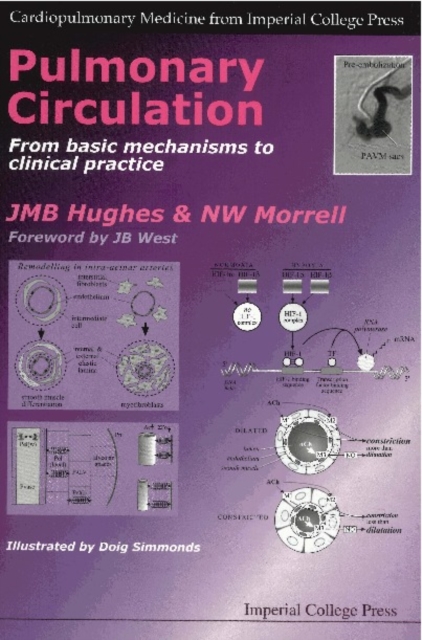
This new book with 35 chapters is a comprehensive account of the important features of the pulmonary circulation which will appeal to (1) clinical and non-clinical students who want a broad-based introduction to the subject, (2) postgraduates involved in or contemplating research on the pulmonary circulation, (3) specialists in chest medicine, cardiology and intensive and critical care whose clinical work concerns diseases affecting the pulmonary blood vessels.
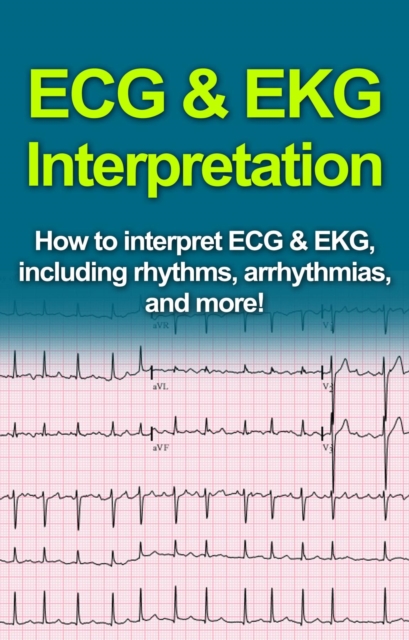
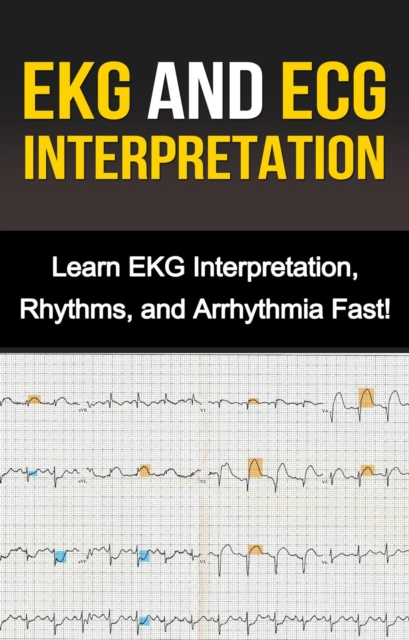
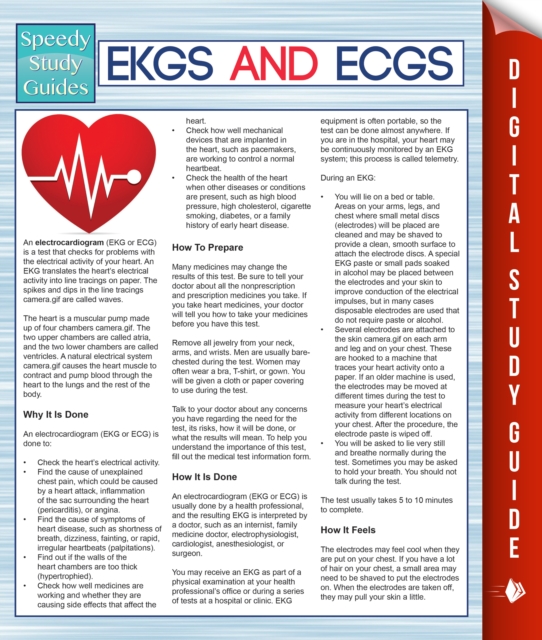
EKG AND ECG INTERPRETATIONYoure about to discover how to interpret an ECG, and determine if a heart rhythm is regular, or if there is something abnormal occurring!
EKG INTERPRETATION Whether you are studying to interpret Electrocardiograms, or if you simply want to better understand your own diagnosis and results, this book will be able to help.
Pericarditis refers to swelling and irritation of the pericardium, which is the thin, saclike tissues surrounding the heart, usually leading to sharp chest pain.
In the three years since publication of the first edition, venous interventions have increased to the point that they now constitute up to 75% of a typical day's procedures in most vascular and interventional radiology practices.