Recognized scientists and clinicians from around the world discuss the most recent molecular approaches to understanding the cardiovascular system in both health and disease.
In 1962, Thomas Kuhne coined the term "e;paradigm shift"e; while arguing that human knowledge advances by quantum leaps with interspersed smaller steps.
An illuminating and timely synthesis of methodological and clinical studies showing how medical costs can be established, how the value of clinical outcomes can be assessed, and how difficult choices can be rationally made.
A comprehensive review of all the latest developments in cardiac electrophysiology, focusing on both the clinical and experimental aspects of ventricular repolarization, including newly discovered clinical repolarization syndromes, electrocardiographic phenomena, and their correlation with the most recent advances in basic science.
Reviews the best therapies and surgical techniques available to provide quality care for the elderly cardiac patient and of those areas that require further research.
Leading practitioners from the University of Pennsylvania review all aspects of heart failure diagnosis and management, with a particular emphasis on office-based/ambulatory care.
Essentials of Bedside Cardiology, Second Edition, like the first edition, is designed for those who wish to balance technological advances with increased personal skill in history taking and physical examination.
Leading investigators and highly experienced clinicians collect and summarize the world's literature and augment this with practical wisdom concerning this critically important form of care, including its technical, professional, and administrative aspects.
Leading world authorities drawn from cardiology, surgery, pediatrics, internal medicine, and basic science comprehensively survey the diagnostic, therapeutic, and prognostic aspects of cardiogenic shock.
Management of Cardiac Arrythymias provides not only an overview of arrhythmia and its management, but also a comprehensive description of the current and emerging therapeutic strategies now available for treatment.
Michael Weber, MD, and a panel of distinguished authorities provide a comprehensive practical survey focusing on the key issues that determine the who, when, and how of hypertension management.
Blood Pressure Monitoring in Cardiovascular Medicine and Therapeutics provides information that will be especially useful to all who care for hyperten- sive patients.
Leading clinical and experimental investigators comprehensively review the chemistry, biochemistry, molecular biology, physiology, and pathophysiology of nitric oxide in the cardiovascular systems.
Leading clinicians and researchers concisely review the significant risk factors, including dyslipidemias, hypertension, diabetes, lack of exercise, obesity, tobacco, and homocysteine, and outline the best preventive strategies available.
In the tradition of Scott Turow’s One L and Atul Gawande’s Better comes a real-time, real-life chronicle from an impassioned young doctor on the front lines of high-stakes cardiology.
Endorsed by the American Society for Preventive Cardiology, this highly practical resource focuses on the application of current guidelines and practice standards in the clinical management of cardiovascular risk factors.
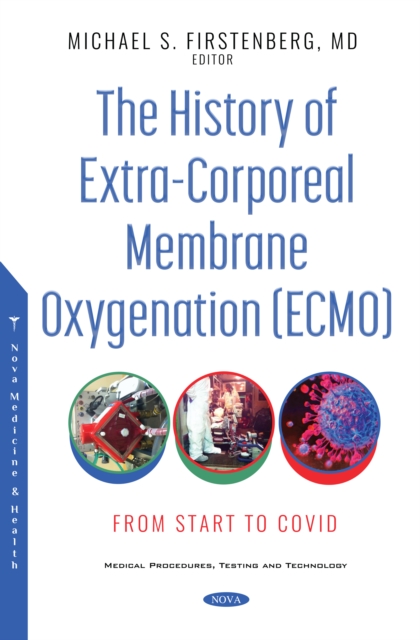
The history of extra-corporeal membrane oxygenation (ECMO) reflects a true medical success story that has been the result of tremendous dedication, perseverance, teamwork, and years-if not decades-of hard work by countless providers, students, and advocates.
In this compilation, the pathogenesis and interrelationships of metabolic abnormalities are discussed, particularly their impact on cardiovascular disease, as well as the role of excess adiposity in metabolic derange.
A Closer Look at Heart Rate opens with an examination of the latent structures underlying short-term heart rate variability indices in a sample of 96 young adults under 4-min eyes-closed followed by 4-min eyes-open resting-state conditions.
Atrial fibrillation is a common supraventricular arrhythmia characterized by rapid and irregular atrial activation without a clear P-wave on an electrocardiogram.
Congenital Heart Disease: From Diagnosis to Treatment opens with a review of the most common forms of congenital heart disease in pregnancy, outlines preconception counseling, discusses the associated morbidity and mortality of each lesion, and reviews current recommendations for the management of congenital heart disease in pregnancy.
Tricuspid valve disease has long been ignored as a surrogate for the left atrioventricular valve (the mitral valve) and mainly a benign, indolent disease.
Thrombotic thrombocytopenic purpura is a life-threatening occlusive disorder of the microcirculation that is characterized by systemic platelet agglutination, organ ischaemia, severe thrombocytopenia and fragmentation of red blood cells.
In this compilation, the authors discuss peripartum cardiomyopathy (PPCM), a rare but serious form of heart failure affecting women in the last month of pregnancy or early postpartum.
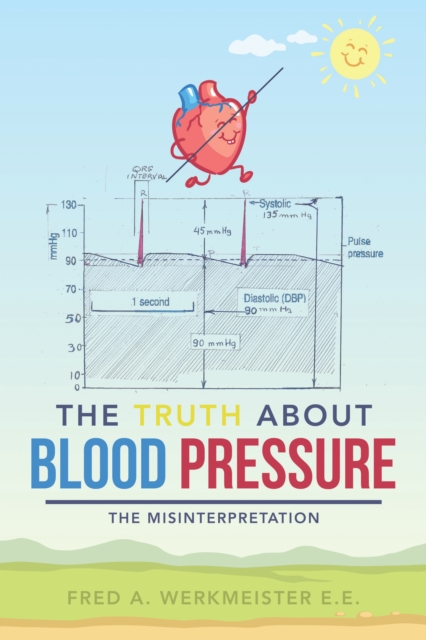
About ten years ago, the author began taking his blood pressure regularly and recording it so he could see how well his blood pressure medication was working.
All registered nurses are required to keep portfolios which demonstrate their competence in clinical practice in order to receive re-registration with the Nursing and Midwifery Council.
Fully updated and revised Differential Diagnosis in Dermatology Third Edition now includes sections on treatment as well as serving as a useful guide to dermatological diagnosis in the surgery or clinic.