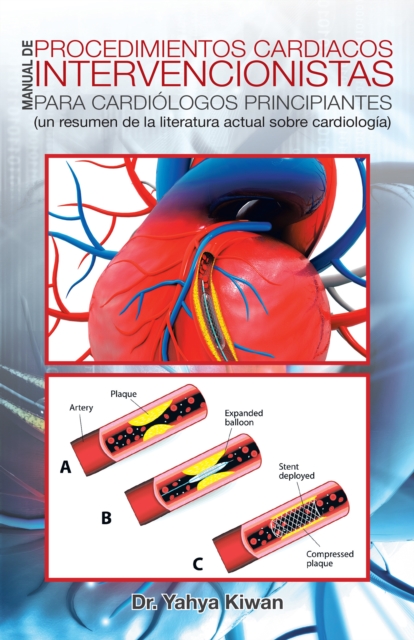
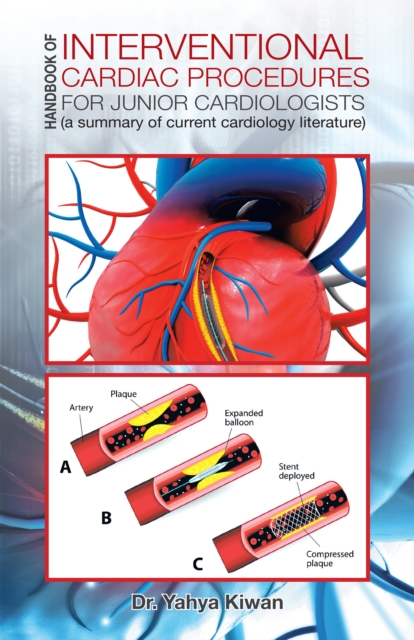
This book focuses on the coronary bioresorbable scaffold, a new interventional treatment for coronary artery disease, differentiated from a permanent metallic stent.
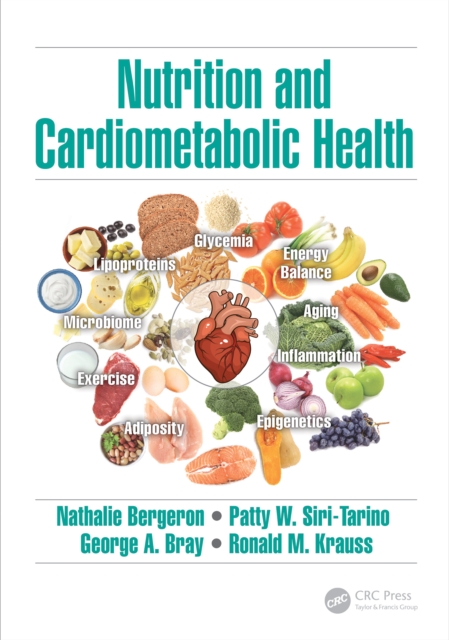
The supplement market continues to grow annually with more than half of the population using these products for reasons spanning from health maintenance to disease prevention and/or treatment.
A sound knowledge of cardiovascular physiology is fundamental to understanding cardiovascular disease, exercise performance and may other aspects of human physiology.
A sound knowledge of cardiovascular physiology is fundamental to understanding cardiovascular disease, exercise performance and may other aspects of human physiology.
This new and comprehensively revised third edition of Practical Interventional Cardiology, led by an eminent UK Cardiologist and supported by contributing authors from around the world, discusses the different interventional procedures by context and addresses current guidelines and ongoing trials, including European experience with non-FDA approved devices.
This new and comprehensively revised third edition of Practical Interventional Cardiology, led by an eminent UK Cardiologist and supported by contributing authors from around the world, discusses the different interventional procedures by context and addresses current guidelines and ongoing trials, including European experience with non-FDA approved devices.
This book discusses the principles, applications, benefits, and pitfalls of off-pump coronary artery bypass (OPCAB) surgery, and provides information on the surgical strategies adopted and the anesthetic management considerations for patient undergoing OPCAB surgery.
Topics include basic considerations and techniques, venous drainage of the myocardium, structure and function of the cardiac lymphatic system, coronary sinus interventions in experimental research, and more.
Written in plain language with clear explanations, bullet lists and summaries throughout, this book will benefit nurses as well as paramedics and other allied health professionals in recording and reading ECGs.
The significantly updated second edition of this important work provides an up-to-date and comprehensive overview of cardiovascular magnetic resonance imaging (CMR), a rapidly evolving tool for diagnosis and intervention of cardiovascular disease.
Due to the fact that Restless Legs Syndrome/Willis-Ekbom Disease is usually a chronic condition, this book aims to provide physicians with the necessary tools for the long-term management of patients with RLS.
This book provides an overview of pulmonary hypertensive diseases, the current understanding of their pathobiology, and a contemporary approach to diagnosis and treatment.
This comprehensive and practical book fills the current knowledge gap about the incidence and characteristics of seizures in all kinds of cerebrovascular disorders.
This handy workbook covers the essential components of electrocardiography (ECG or EKG) and is useful in helping the reader identify a number of conditions, including arrhythmias, conduction blocks and heart attacks.
Presenting detailed information on treatment of the obese patient, this handy, concise title is designed not only to educate practitioners about obesity but, most importantly, to provide practical strategies in the comprehensive approach to treating this disease.
This volume discusses the many ways to prevent, identify and control hypertension in African Americans, a common and potent risk factor for virtually all forms of cardiovascular-renal diseases.
The Right Ventricle in Health and Disease provides a comprehensive and up-to-date database and collection of the available information which describes the structure and function of the normal right ventricle.
This book synthesizes the major research advances in molecular, biochemical and translational aspects of aging and heart failure over the last four decades and addresses future directions in management and drug discovery.
This volume explores the role free radicals and antioxidants within the development of vascular disease, examining fundamental research and translating preclinical knowledge to clinical trials.
This book is the outcome of a cardiologist switching to clinical pharma- cology in mid-career and may be seen as representing the interface between the two disciplines.
In this groundbreaking work, distinguished contributors explore the myriad relationships between networks of social support and the development, treatment, and rehabilitation of individuals with cardiovascular disease.
This book, Recent Advances in Geriatrics, is based on the proceedings of the 8th Course of the School of Gerontology and Geriatrics held in Erice (Trapani, Italy) at the In- ternational Centre for Scientific Culture "e;Ettore Majorana"e; on March 20-25, 1997.
Recent progress in recombinant DNA technology and the availability of a number of nonpeptide subtype-specific receptor antagonists and of specific antibodies to components of prorenin-renin-angiotensin system (PRAS) have led to rapid advances in the under- standing of the multifaceted role of angiotensin II, classically known as a peptide hormone of cardiovascular homeostasis.
Unlocking the Mysteries of Cardio & Cerebrovascular Diseases: A Personal Journey of Survival, Prevention & Treatment Strategies Aimed to Minimize Socioeconomic Impact.
Este libro es publicado para mdicos, especialmente los jvenes, que trabajan en todas las especialidades de cardiologa (clnica, invasiva y no invasiva).