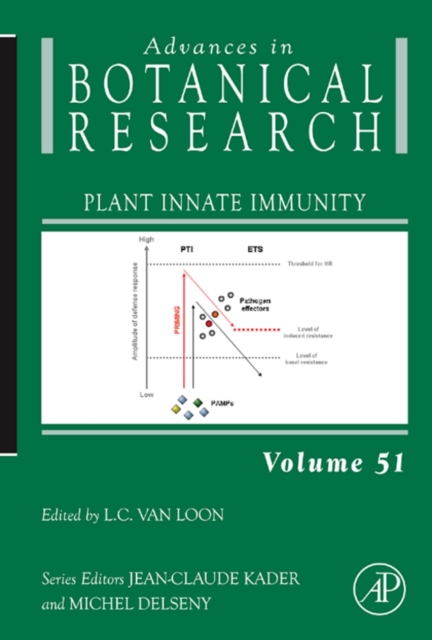
Plant innate immunity is a collective term to describe a complex of interconnected mechanisms that plants use to withstand potential pathogens and herbivores.
Advances in Immunology, a long-established and highly respected publication, presents current developments as well as comprehensive reviews in immunology.
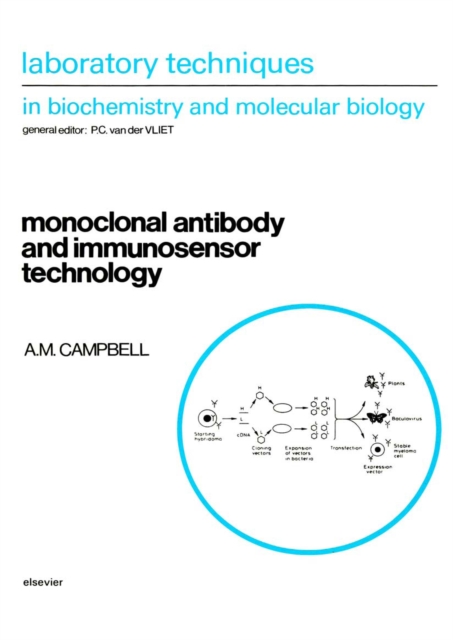
This highly practical book, and successor to Volume 13 in the Laboratory Techniques series, explores further and provides more comprehensive, autoritative information on the production of Mabs.
Advances in Immunology, a long-established and highly respected publication, presents current developments as well as comprehensive reviews in immunology.
The formulation and the technological advancements in RNA biology, chemistry, stability, and encapsulated delivery systems that have enabled the development of fully synthetic mRNA vaccines are discussed in this volume.
Part I covers modern advances in the determination ofglycoprotein structure and in the biosynthesis of mammalian,bacterial, yeast, plant and insect glycoproteins.
Interest in the factors controlling the spread of pathogenic bacteria in both human and animal populations has led, in recent years, to the development of various techniques for the characterization of isolates from epidemics.
Video microscopy is used extensively in many life and biomedical science disciplines today, and is a useful tool for both cell biologists and students.
This newest edition to the Laboratory Techniques Series gives current state of the art use of synthetic peptides in molecular biology and practical protocols on how to conjugate peptides, immunize animals with peptides and monitor immune responses to peptides in vitro.
Synthetic Polypeptides as Antigens is the first volume to give a comprehensive treatment under one cover of the various techniques used for synthesizing peptides by the solid phase approach, for coupling them to carrier molecules and analyzing their immunochemical activity by a variety of immunoassays.
Our most complete understanding of hormone receptor signaling may be exemplified in a family of hormones and receptors known as the cytokine superfamily.
- Among the topics covered are:- Poliovirus assembly and incapsidation of genomic RNA- HIV type 1 reverse transcriptase- Mechanisms of persistence and associated disease- Genome rearrangements of rotaviruses- Luteoviruses- Hepadnaviruses- Iridoviruses
Ig A DeficiencyThe Role of Cellular Immunity in Protection against HIV InfectionMouse Mammary Tumour Virus: Immunological Interplays between Virus and HostThe Transporter Associated with Antigen ProcessingNF-kB in cytokine gene expressionNF-kB as a target for immunosuppressive and anti-inflammatory molecules- The Role of Cellular Immunity in Protection against HIV Infection- Mouse Mammary Tumor Virus: Immunological Interplays between Virus and Host- The Transporter Associated with Antigen Processing- NF-kB in cytokine gene expression- NF-kB as a target for immunosuppressive and anti-inflammatory molecules
- Recent findings related to the roles of proteasomes in the MHC class I-restricted antigen processing pathway- New observations and insights on V(D)J recombination- Structure, function, and mechanisms of regulation of mammalian Ets transcription factors- Processes of B2m assembly and peptide loading and the involving molecules- Current concepts and enigmas of lymphocyte homing- Description of plasmacytomagenesis in mice and insights into the cellular and molecular biology of human plasma cell dyscrasias- Summary of the rationale for anti TNF antibody therapy and its clinical effects
From the Reviews of Previous Volumes"e;Provides unrivalled value in both academic and fiscal terms and should be purchased by hard pressed librarians as a major priority to be jealously defended.