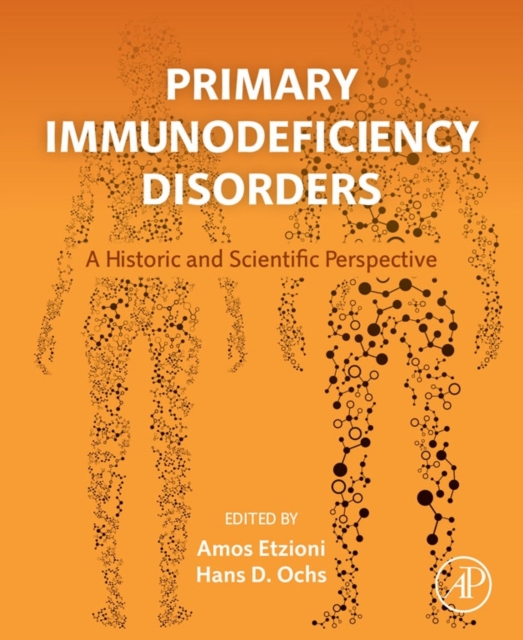
Primary Immunodeficiency Disorders: A Historic and Scientific Perspective provides a complete historical context that is crucial for students and researchers concerned with primary immunodeficiency.
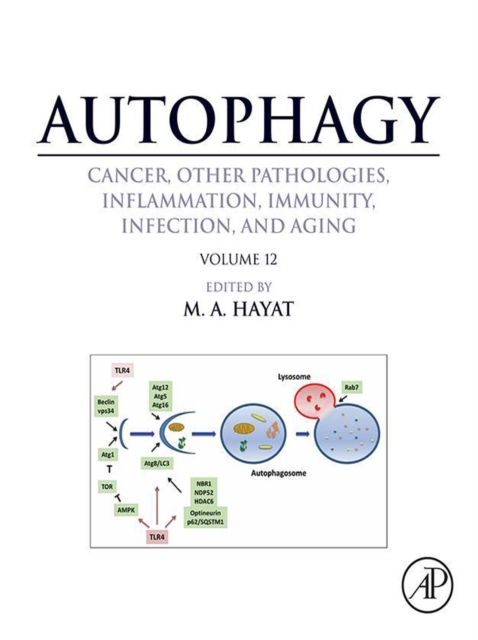
Autophagy: Cancer, Other Pathologies, Inflammation, Immunity, Infection, and Aging, Volume 12 discusses and details almost all aspects of the autophagy machinery in the context of health, cancer and other pathologies.
Advances in Immunology, a long-established and highly respected publication, presents current developments as well as comprehensive reviews in immunology.
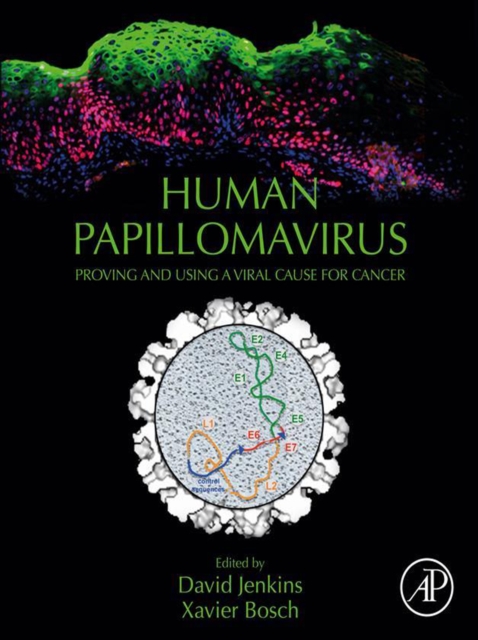
Human Papillomavirus: Proving and Using a Viral Cause for Cancer presents a steady and massive accumulation of evidence about the role of HPV and prevention of HPV-induced cancer, along with the role and personal commitment of many scientists of different backgrounds in establishing global relevance.
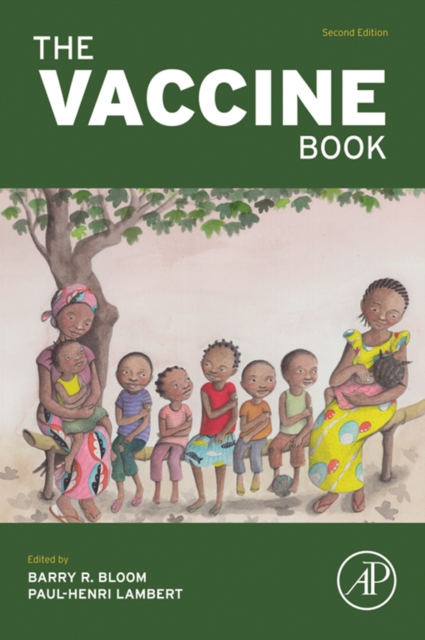
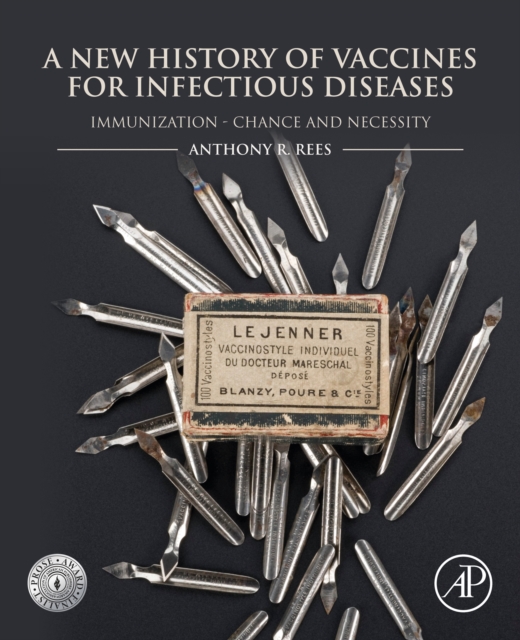
A New History of Vaccines for Infectious Diseases: Immunization - Chance and Necessity covers the developments of vaccines and how they have obliterated many fatal diseases and infections over time.
Advances in Immunology, a long-established and highly respected publication, presents current developments as well as comprehensive reviews in immunology.
Advances in Immunology, Volume 135, the latest in a long-established and highly respected publication, presents current developments and comprehensive reviews in immunology.
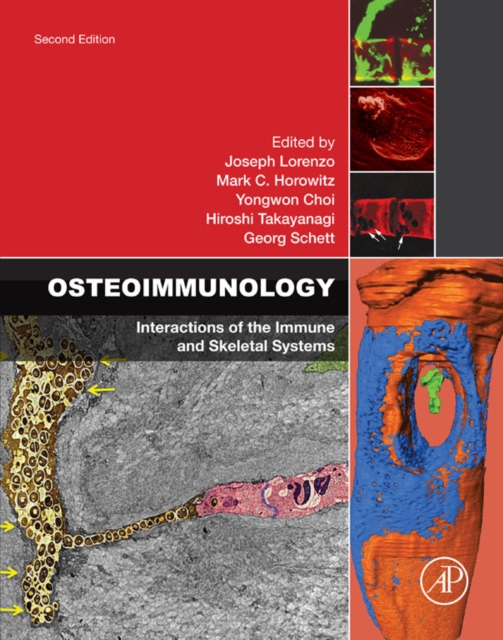
Osteoimmunology: Interactions of the Immune and Skeletal Systems, Second Edition, explores the advancements that have been made in the field during the last 40 years, including valuable information on our understanding of the interactions between hematopoietic, immune, and bone cells, now known as the field of osteoimmunology.
Advances in Immunology, a long-established and highly respected publication, presents current developments as well as comprehensive reviews in immunology.
Advances in Immunology, Volume 142, the latest release in a long-established and highly respected publication, presents current developments and comprehensive reviews in immunology.
Advances in Immunology in China - Part A, Volume 144, the latest release in the Advances in Immunology series, presents the latest release in a long-established and highly respected publication.
Sphingolipids in Cancer, Volume 140, the latest release in the Advances in Cancer Research series, provides invaluable information on the exciting and fast-moving field of cancer research.
This book provides an overview of auto-inflammatory syndromes, covering the underlying immune mechanisms that lead to their development, specific disease presentations, and clinical treatment guidelines.
This comprehensive book presents an evidence-based approach to treating asthma in adults aged 65 and older, a vulnerable subset of patients who are more likely to experience higher morbidity and mortality rates, and often enduring higher financial burdens related to treatment.
This book comprehensively describes the association between metabolic syndrome and pancreatic cancer progression, and the mechanism of action and target definition with a view to drug discovery.
This book summarizes the progress in studies of tuberculosis host-pathogen interactions from several perspectives: molecular microbiology, immunology, animal models, clinical studies, epidemiology, and drug discovery.
This book is a practical resource for clinicians who manage patients with chronic cough, which represents a major challenge in the clinic due to multiple diagnostic and therapeutic considerations.
This book offers a comprehensive review of recent advances in cancer immunotherapy, and explores the value and limitations of the most effective current therapeutic strategies and emerging treatment modalities.
This book is a collection of case-based questions, directed towards and meticulously selected to cover the most common and important aspects of pediatric autoimmune disorders.
Eat safe gluten-free and allergy-free meals in your home and at restaurants around the corner or anywhere across the globePacked with everything you need to know to prepare meals or navigate a menu in any eating establishment, Let's Eat Out Around the World Gluten Free and Allergy Free is an easy-to-use resource that helps you to:Confidently avoid meals with gluten, wheat, corn, dairy, egg, fish, peanut, shellfish, soy, and tree nuts Discover over 175 dishes across six ethnic cuisines including French, Indian, Italian, Mexican, Chinese, and Thai plus traditional American steak and seafood options Understand ingredients, food preparation, hidden allergens, and cross-contact Ask the right questions and order safe meals with or without gluten-free menus and food allergy charts Plan trips, holidays, and business travel with detailed guidelines for snacks, airlines, hotels, and cruise lines Explore overseas destinations with chef translation cards, airline meal codes, and international travel tips
Clinical Immunology not only introduces the reader to the human immune system, it also covers immunology from clinical manifestation to therapeutic approaches in a wide range of conditions.
In recent years, researchers around the globe have deep dived into the fascination world of the Macrophage and its diverse role in tissue development, angiogenesis, and wound healing, and above all the untapped mystery of the wondering immune system within our body.
Clinical Applications of Immunogenetics: Immunogenetics: A Molecular and Clinical Overview, Volume II provides readers with an exclusive, updated overview of scientific knowledge, achievements and findings in the field of immunogenetics.
As the autoimmune diseases could affect different organs, Translational Autoimmunity: Autoimmune Diseases in Different Organs addresses the spectrum of autoimmune diseases.
This textbook describes in detail the process of cancer metastasis from a single cell in the primary site through its arduous journey to the sentinel lymph node as the main gateway and beyond to distant sites.
The goal of this book is to provide a guide and detailed review of immunosuppression in terms of molecular mechanisms of action, side effects and clinical trials that validated their utility.
This book presents paraproteinemia and the highly complex scientific information behind it to clinicians in a way they can understand and, ultimately, apply to their diagnostic and treatment practices.
Since the initial description of techniques to immortalize anti- body-producing B-lymphocytes by fusion with tissue culture-adapted myeloma cells, methods have been developed to produce monoclonal antibodies of defined specificity in multiple animal species.
Complement Systems: Methods and Protocols is composed of 32 individual chapters that describe a variety of protocols to purify and analyze the activity of the individual complement components or pathways.
T-Helper Cells: Methods and Protocols presents a broad selection of cutting edge protocols that will enable the reader to capture the unique features of TH cells with tools developed for the isolation of TH cells from various tissues and subsequent analysis of their functional properties in vitro, ex vivo and in vivo.
The worldwide impact of infection with human immunodeficiency virus type 1 (HIV- is reflected in the cumulative number ofHIV- 1 infections, which is now predicted to exceed 40 million by the year 2000---equivalent to the n- ber of humans who perished in World War II.
This volume provides key methods and protocols from laboratories engaged in germinal centers (GC) research with the expectation of stimulating further research, and to aid scientists in the study of GC biology and pathology.
In Eosinophil: Methods and Protocols, experts in the field of eosinophil biology comprehensively provide detailed methodological insight into the study of this fascinating cell.
From the early days when RNA interference was a strange artifact in worms to the 2006 Noble Prize received by Fire and Mello and the current clinical trials, the field of RNA interference has grown at a breakneck pace.
This second edition volume expands on the previous edition with new sections describing the characterization of peptides bound to major histocompatibility complexes (MHC) on the surface of the cell.
This detailed volume focuses on the development of mycosis vaccines via the most common etiological agents of mycoses, such as Aspergillus and Candida species, followed by Cryptococcus, dimorphic fungi, and members of Mucoraceae family of fungi.