The role of the cytokine macrophage migration inhibitory factor (MIF) in the immune response and in the immunopathogenesis of different inflammatory, autoimmune, and infectious disorders is now well-established.
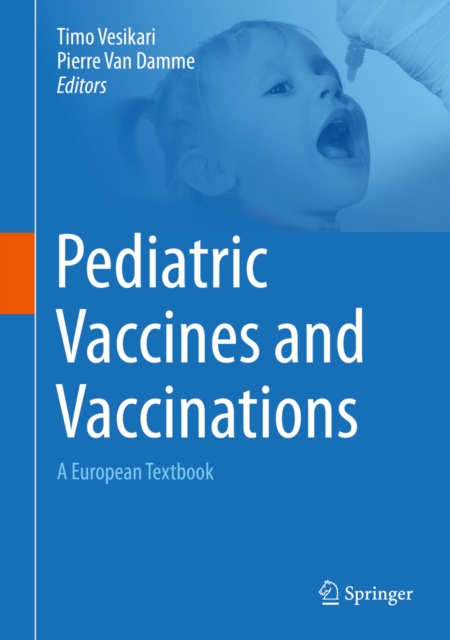
This graduate textbook serves as a highly readable guide on vaccines and vaccination in infants, children and adolescents from an European perspective.
This book updates in detail the microbial pathogenesis of various important pathogens, including HIV-1, MERS, SARS-CoV-2, Mycobacterium and Plasmodium.
Type IV secretion systems (T4SSs) are highly versatile membrane-associated transporter machines used by Gram-negative and Gram-positive bacteria to deliver substrate molecules to a large variety of target cells.
Originally published in 2010, this book has since become one of the seminal works in the rapidly evolving field of body piercings, tattoos, and permanent make-up.
Infections caused by fungi have recently attracted the attention of both clinicians and basic researchers given the heavy burden they represent for any health system.
The way a cell undergoes malignant transformation should meet their capacity of surviving in the microenvironment of the organ where the cancer will develop.
The inflammasome was first described in 2002 as a molecular complex activating proinflammatory caspases and therefore regulating the maturation and biological activities of cytokines such as IL-1?
This book deals with the advantages of using artificial intelligence (AI) in the fight against the COVID-19 and against future pandemics that could threat humanity and our environment.
This book fills the need for a simplified text covering western blotting protocols aimed not just at high school and college students, but the researcher with little to no experience in these techniques.
In this book, leading experts in cancer immunotherapy join forces to provide a comprehensive guide that sets out the main principles of oncoimmunology and examines the latest advances and their implications for clinical practice, focusing in particular on drugs with FDA/EMA approvals and breakthrough status.
This volume focuses on IgG4-related disease (IgG4-RD), a novel clinical entity involving multiple organs and of unknown origin, associated with the abundant infiltration of IgG4-positive cells.
This book provides a broad clinical overview of primary and secondary immunodeficiencies nested in clinical cases that will help the reader understand the approach to evaluation, diagnosis, and management of these challenging cases.
This book focuses on the salient features of the biology of Bone Morphogenetic Proteins and the advances in our understanding of their structure and function and of downstream signaling, as well as their governance in systems biology from bone and dentin to kidney, cancer, diabetes, iron homeostasis and angiogenesis, including rare musculoskeletal disorders.
Our own experience shows that there is no simple, yet of good scientific and clinical quality guide for practitioners and patients on gastrointestinal diseases.
This book provides a fundamental understanding of immunopathology and immunopathologic processes, with particular attention to nonclinical toxicology studies.
This edited collection of 12 chapters by research workers from a wide range of disciplines resolves the confusion that currently surrounds the "e;hygiene hypothesis"e; by considering the human need for exposure to microorganisms from an evolutionary point of view.
This comprehensive book thoroughly covers the field of stinging insect allergy; addressing all clinical aspects, including diagnosis and therapeutic recommendations.
This book provides a fundamental understanding of immunopathology and immunopathologic processes, with particular attention to nonclinical toxicology studies.
This book covers all aspects of hypersensitivity to drugs, providing practical information for non-specialist physicians as well as addressing issues of interest to practitioners in different specialties and presenting the expert knowledge required by specialist allergists and immunologists.
The present book intends to provide an update on immunosenescence and how deficiencies in the immune system contribute to a higher susceptibility to infections, decline in organ function, reduced vaccination responses, age-related disease and the ageing process itself, negatively affecting longevity.
This book presents advanced therapies based on new and complementary drugs, and alternative techniques and strategies, such as phages, probiotics, flavonoids, essential oils, cellulose, peptides, nano delivery, iron starvation and vaccines.
This book focuses on C-type lectin receptors, a newly emerging family of pattern-recognition receptors (PRRs) and a crucial part of the human innate immune system.
This book presents detailed case reports of unusual diseases with common symptoms, many of which have emerged in the past decade as a result of nature, advances in medical treatment, and increasing recognition of specific underpinnings of human biology and immunology.
More than fifty years after its initial discovery by Rita Levi Montalcini and Stanley Cohen and the proposal of the neurotrophic theory, nerve growth factor (NGF) has become the prototype of a family of biologically active molecules called neurotrophic factors (NTFs).
This textbook aims to describe in a condensed form the essentials of molecular immunology behind bacterial infections, the microbiome, viral infections (such as influenza and COVID-19), organ transplantations, autoimmunity, allergy and tumor immunology.