This volume throws light on the Sick Building Syndrome in Libraries and other public buildings, and the extent to which it is influenced by the internal environment of libraries.
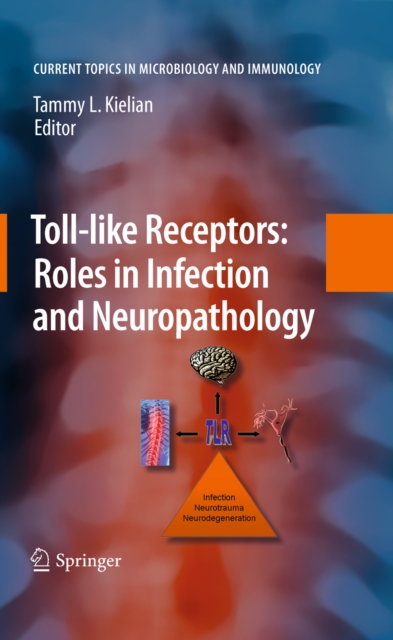
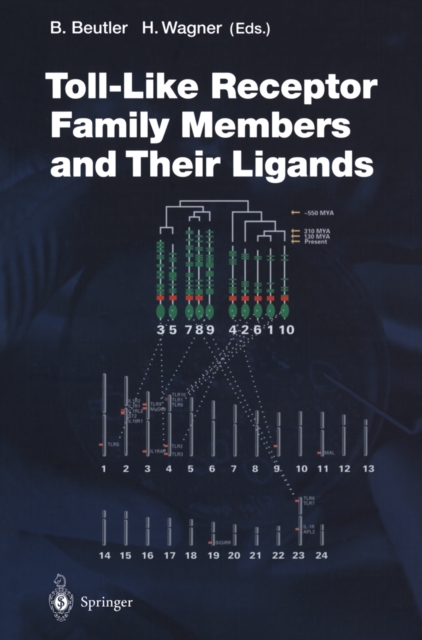
Mammalian Toll-like receptors (TLRs) were first identified in 1997 based on their homology with Drosophila Toll, which mediates innate immunity in the fly.
Betty Bumpers: Champion of Childhood Immunization and Peace explores the significance of Bumpers' work, situating her story within the context of the history and society of the late twentieth century.
The definitive guide to targeting and reversing food intolerance from the UK's leading nutritionist, Antony Haynes, and Glenfiddich award-winning cookery writer, Antoinette Savill.
This contributed volume offers a comprehensive exploration of the latest advancements in diagnosing and managing autoimmune diseases, with a focus on emerging treatments and disease-specific interventions.
This book is a comprehensive resource on the application of marine derived bioactive compounds in the treatment of various neurological and neurodegenerative disorders.
This volume provides comprehensive understanding of how fungi influence various aspects of human, animal and environmental health, and offers insights into addressing emerging challenges.
This volume provides comprehensive understanding of how fungi influence various aspects of human, animal and environmental health, and offers insights into addressing emerging challenges.
This contributed volume offers a comprehensive exploration of the latest advancements in diagnosing and managing autoimmune diseases, with a focus on emerging treatments and disease-specific interventions.
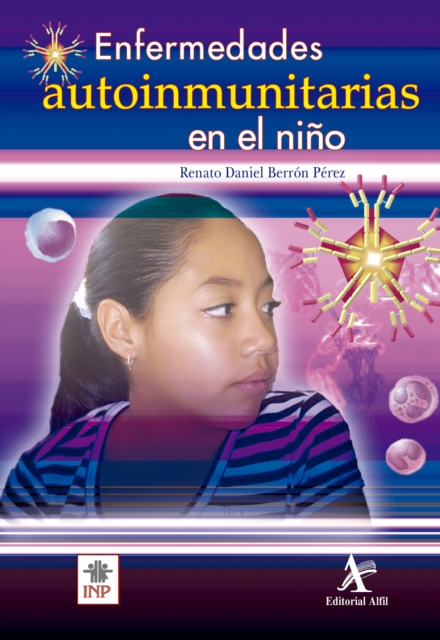
Enfermedades autoinmunitarias en el niño es más que bienvenido por el médico mexicano y de Latinoamérica, no sólo por ser el primero en su género, sino porque llena un vacío muy sentido en la práctica contemporánea de la pediatría.
This book is a comprehensive resource on the application of marine derived bioactive compounds in the treatment of various neurological and neurodegenerative disorders.
This thesis describes the use of biophysical and biochemical methods to prove that calcium has a positive feedback effect on amplifying and sustaining CD3 phosphorylation and should enhance T-cell sensitivity to foreign antigens.
Recent advances in the field of recombinant antibodies have permitted the manipulation of genes encoding specific antibodies, thus allowing their ectopic expression in a wide variety of non-lymphoid cells.
This book gives a very timely account of recent - partly unpublished - research on the development of gram-positive bacteria as vaccine delivery vehicles for mucosal immunization.
Flow cytometric analysis of molecular, biochemical, genetic and developmental parameters using cellular fluorescence techniques as well as fluorescence-activated (FACS) or magnetic (MACS) cell sorting technologies provide unique options for molecular and cellular biology.
The chicken is a useful model for research into the basic features of immunology because its immune system functions in a way similar to that of human beings and because the chicken embryo is easily accessed experimentally.
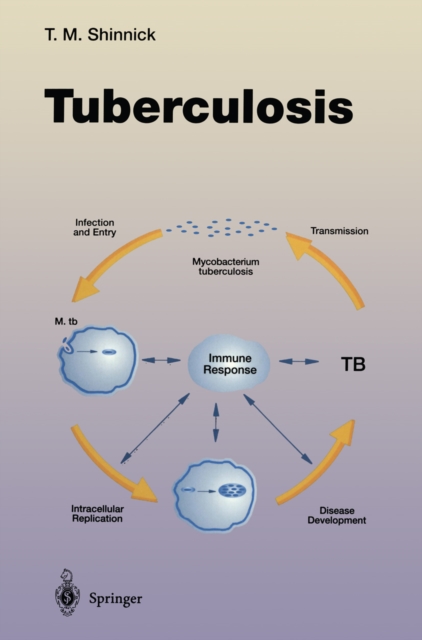
Tuberculosis has plagued mankind since prehistoric times and is still an important source of morbidity and mortality, with particularly devastating effects in developing and tropical countries.
Most lymphocytes recirculate throughout the body, migrating from blood through organized lymphoid tissues such as lymph nodes (LN) and Peyer's patches (PP), then to lymph and back to blood (GOWANS and KNIGHT 1964).
More than 10 years ago, the discovery of cyclin-dependent ki- nases (Cdks) ushered in a new era in the understanding of cell proliferation and its control.
The mouse was first used in immunological research by Paul Ehrlich in 1891 in an extraordinary series of experiments on the maternal transfer of antitoxic immunity.
Discrimination of self from nonself is the major function of the immune system and understanding the mechanism(s) involved a main employer of immunologists.
Currently, the cellular and molecular mechanisms governing the development and regulation of the vasculature are studied in- tensely and the field is rapidly progressing.
Mucosal immunity encompasses a broad field of research that includes areas of epithelial cell and molecular biology, molecular and cellular immunology, microbiology, virology, and vaccinology.
The essence of combinatorial chemistry or techniques involving "e;molecular diversity"e; is to generate enormous populations of molecules and to exploit appropriate screening techniques to isolate active components contained in these libraries.
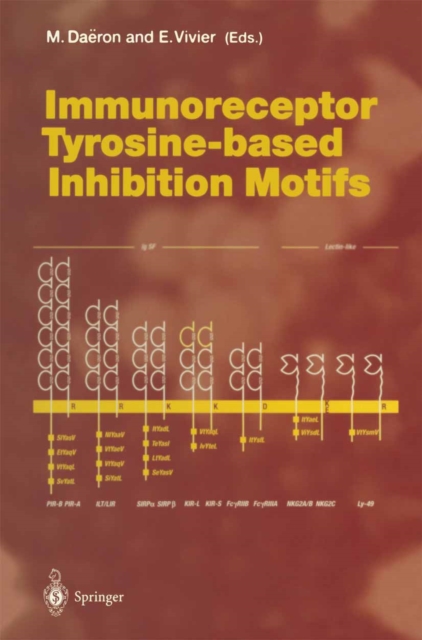
Novel molecular motifs named Immunoreceptor Tyrosine-based Inhibition Motifs (ITIMs) have recently been recognized in the intracytoplasmic domains of a still-increasing number of receptors which control cell activation and proliferation.
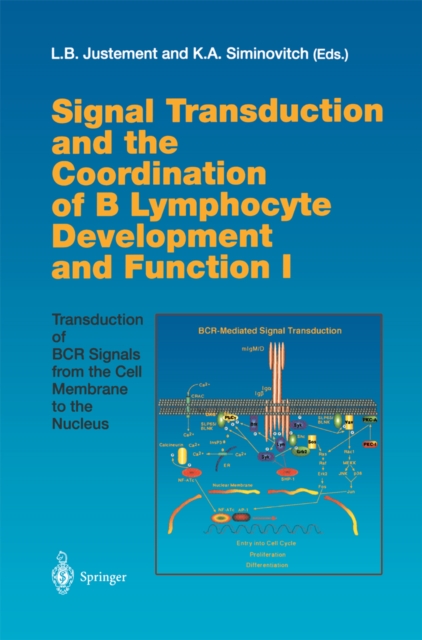
Proper development and differentiation of B lymphocytes is es- sential to ensure that an organism has the ability to mount an effective humoral immune response against foreign antigens.
Since antibodies tagged with markers have been developed, immunocytochemistry has become the method of choice for identifying tissue substances or for the localisation of nucleic acid in tissue by in situ hybridisation.