Das 50-jährige Jubiläum der Deutschen Gesellschaft für Immunologie bietet die einmalige Chance, sowohl die wissenschaftlichen Triumphe als auch die Entwicklung des Fachs Immunologie in der deutschen Forschungslandschaft von der Vergangenheit bis in die Gegenwart näher zu beleuchten.
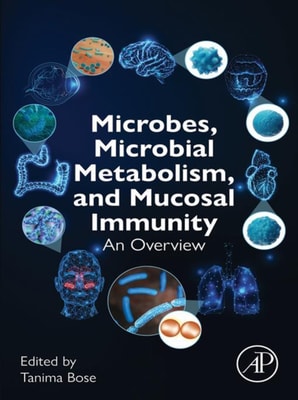
Microbes, Microbial Metabolism and Mucosal Immunity: An Overview presents a concise and well-vetted treatise on the study of microbiome and microbial metabolites.
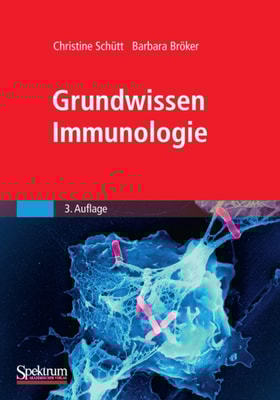
Dieses farbige, gut zu lesende Lehrbuch führt in die Grundlagen der Immunologie ein, beschäftigt sich aber auch mit aktuellen Themen wie AIDS, Allergie, Autoimmunität und Tumorentstehung.
Dieses erfolgreiche Kurzlehrbuch der Immunologie führt ein in die molekularen, zellbiologischen und physiologischen Grundlagen der immunologischen Abwehrmechanismen des menschlichen und tierischen Organismus bei Kontakt mit infektiösen Erregern sowie in die Methoden ihrer Untersuchung.
This book presents key aspects and recent developments of cryogenic sample electron tomography (cryo-ET) methodology, authored by leading experts in the field.
Entry Inhibitors in HIV Therapy details the current status of this relatively new and very dynamic class of inhibitors, appealing to both the clinician and basic research scientist.
In Vivo Models of Inflammation provides the biomedical researcher with a description of the state of the art animal model systems used to emulate diseases with components of inflammation.
More than twenty years after the idea of this Carotenoids book series was first discussed, we finally reach the end of the project with Volume 5, which covers the functions and actions of carotenoids in human nutrition and health.
Matrix metalloproteinases (MMPs) are proteolytic enzymes believed to be involved in many physiological and pathological processes associated with inflammatory reactions.
The book is of interest to academic and industrial researchers but also clinicians who are working on inflammation related topics and would like to extend their knowledge about microarrays and the application thereof.
Inflammatory cell recruitment requires the concerted action of at least five major sets of adhesion molecules: integrins, immunoglobulin-like molecules, selectins, carbohydrate structures serving as selectin ligands, and certain ectoenzymes.
Since the discovery of chemokines and of chemokine receptors it has become evident that expression of chemokines at the site of inflammation may regulate the composition of cellular infiltrate, thereby directing the type of immune response.
Over the last decade, the advent of biologic agents has greatly revolutionized therapeutic medicine in the management of chronic inflammatory diseases, such as rheumatoid arthritis, Crohn's disease, and psoriasis.
Recent research indicates that the immune system and inflammatory reactions are governed and regulated by powerful neuronal mediators derived from the central and peripheral nervous system.