Since the discovery of the bone morphogenetic proteins (BMPs) more than 15 years ago, there has been an unpredicted explosion of both basic scientific discoveries and clinical reports on their use from institutions all over the world.
Arachidonic acid (AA) and other 20 or 22-carbon polyunsaturated fatty acids (PUFAs) are precursors of lipid mediators of inflammation known as eicosanoids.
Volume 42 of "e;Progress in Drug Research"e; contains seven reviews and the various indexes which facilitate its use and establish the con- nection with the previous volumes.
Volume 43 of Progress in Drug Research contains five reviews and the various indexes which facilitate its use and establish the connection with the previous volumes.
This volume provides an up-to-date account of the achievements pertaining to the application of capsaicin and capsaicin-like molecules in the therapy of various human ailments such as pain, non-allergic rhinitis, obesity, tumors and gastrointestinal, dermatologic and urologic disorders.
This book summarizes the state-of-the art in the development of T cell-based in vitro assays, which offer useful tools for hazard identification, risk assessment and improvement of diagnostics.
Antimicrobial peptides have been the subject of intense research in the past decades, and are now considered as an essential part of the defense system in bacteria, plants, animals and humans.
The knowledge of Th17 cells and other cell populations which secrete IL-17A, and/or IL-22 has expanded tremendously since the publication of the first edition "e;Th17 Cells: Role in Inflammation and Autoimmune Disease"e; in 2008.
Granulocyte colony-stimulating factor (G-CSF or GCSF) is a secreted glycoprotein that stimulates the proliferation and differentiation of granulocyte precursor cells, and induces mobilization of peripheral blood progenitor cells from the bone marrow.
The inflammasome was first described in 2002 as a molecular complex activating proinflammatory caspases and therefore regulating the maturation and biological activities of cytokines such as IL-1?
This book provides a detailed overview of B-cell directed therapies in patients with rheumatic and systemic autoimmune diseases, including rheumatoid arthritis, systemic lupus erythematosus, Sjogren syndrome, ANCA-associated vasculitis and cryoglobulinemia.
Malaria has defeated previous efforts at eradication and remains a massive global public health problem despite being readily preventable and treatable.
Technological advances, together with a better understanding of the molecular biology of infectious microorganisms, are creating exciting possibilities for a new generation of replicating vaccines.
As individuals age, their ability to respond to and clear pathogens and to control unwanted immune reactions declines, leading to a greater incidence of certain infectious diseases, autoimmunity and general immune dysfunctions.
In this monograph about gene therapy of autoimmune and inflammatory d- orders we have gathered international experts and leaders from different fields to review the state of the art advances on topics ranging from disease entities to vectors and engineered cells.
This textbook provides a unique support in gaining essential knowledge on the immune response, its diagnosis and its modification by drugs and chemicals.
This edited volume provides insights about the molecular virology, pathoenesis of infection and host responses to varicella-zoster virus, which is a medically important human herpesvirus.
This book presents paraproteinemia and the highly complex scientific information behind it to clinicians in a way they can understand and, ultimately, apply to their diagnostic and treatment practices.
This textbook discusses the systemic consequences of cancer, covering a range of topics from tumor-promoting systemic effects to the development of cachexia, as summarized in the introductory chapter 1.
This book deals with the advantages of using artificial intelligence (AI) in the fight against the COVID-19 and against future pandemics that could threat humanity and our environment.
This is the first book to focus entirely on the role of pathology in cardiac transplantation, linked to the clinical perspective through clinical-pathological correlation, multidisciplinary team working, and collaborative research.
This book provides a state-of-the-art overview of the pathogenesis, diagnosis, and treatment of a range of inflammatory, autoimmune, and idiopathic disorders.
This book provides an essential overview of the role of phosphoinositide-3-phosphate kinase (PI3K) isoforms in modulating the function of immune system cells and their involvement in disease.
This volume on Rarer Arthropathies, part of the series "e;Rare Diseases of the Immune System"e; aims to fill a gap in the literature by informing and updating clinicians on the unusual and uncommon forms of arthritis and related musculoskeletal conditions.
The goal of this book is to provide a guide and detailed review of immunosuppression in terms of molecular mechanisms of action, side effects and clinical trials that validated their utility.
Allergies are a significant health issue, yet few books exist on allergen tolerance of separation; here the author classifies allergen tolerance breakdown in specific types, according to the possibility that the autonomic breakdown of allergen tolerance in the unified airway depends on a deficit of pro-tolerogenic neurotransmitters at the local level.
This textbook aims to describe in a condensed form the essentials of molecular immunology behind bacterial infections, the microbiome, viral infections (such as influenza and COVID-19), organ transplantations, autoimmunity, allergy and tumor immunology.
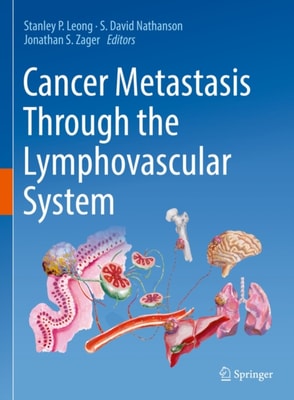
This textbook describes in detail the process of cancer metastasis from a single cell in the primary site through its arduous journey to the sentinel lymph node as the main gateway and beyond to distant sites.
This book brings together what is currently known in terms of basic research in the field of long noncoding RNAs (lncRNAs) and builds on this to delve more deeply in the specific roles that lncRNAs are playing during inflammation.