Although, Phagocytosis was first described nearly 120 year ago, we are just recently beginning to understand the molecules that phagocytic cells use to bring about this complex cell function.
In Viral Membrane Proteins: Structure, Function, and Drug Design, Wolfgang Fischer summarizes the current structural and functional knowledge of membrane proteins encoded by viruses.
The Biogenesis of Cellular Organelles represents a comprehensive summary of recent advances in the study of the biogenesis and functional dynamics of the major organelles operating in the eukaryotic cell.
This volume fills the gap in protein review and protocal literature while summarizing recent achievements in the understanding of the relationships between protein misfoldings, aggregation, and development of protein deposition disorders.
The International Society of Oxygen Transport to Tissue (ISOTT) was founded in 1973 to provide a forum for bioengineers, basic scientists, physiologists, and physicians to discuss new data, original theories, new interpretations of old data, and new technologies for the measurement of oxygen.
Hot Topics in Infection and Immunity II provides a current view from leading experts concerning the hottest topics of concern to clinicians caring for children with infections.
Multiple Sclerosis (MS) is an enigmatic immune mediated disease of the central nervous system that affects about 350,000 individuals in the US, and many more around the world.
Mechanisms of Lymphocyte Activation and Immune Regulation X: Innate Immunity is the proceedings of the Xth International Conference on Mechanisms of Lymphocyte Activation and Immune Regulation: Innate Immunity, held February 6-8, 2004 in Newport Beach, California.
2004 marks the 100th anniversary of the first description of the autoimmune disease paroxysmal cold hemoglobinuria, a rare hemolytic disorder, by Julius Donath and Karl Landsteiner.
As our understanding of apoptotic pathway expands, we are coming to realize the great potential of utilizing this pathway to treat diseases such as cancer.
Echinostomes are medically- and veterinary-important parasitic flatworms that invade humans, domestic animals and wildlife and also parasitize in their larval stages numerous invertebrate and cold-blooded vertebrate hosts.
In the tradition of bestsellers like The Plant Paradox and The Keto Reset Diet, The Carnivore Code reveals the shocking truth about so-called healthy foods, and presents a complete program to reclaim your health with the true ancestral dietWe are living longer than ever before, but we aren't living bettermillions of people suffer from diseases like diabetes, depression, joint pain, heart disease, and autoimmune illnesses.
Our body is not sterile and harbors enumerable microflora that are now being understood to play a complex role in immune regulation and shaping of the immune system in a continuous and dynamic way.
Advances in Immunology, Volume 156, the latest release in a long-established and highly respected publication, presents current developments and comprehensive reviews in immunology, with this volume covering self-referential immune recognition through C-type lectin receptors, genetic susceptibility to autoimmunity, activation and regulation of the cGAS-STING pathway and the implications of IL-15 trans-presentation on the immune response.
Advances in Immunology, Volume 155, the latest release in this ongoing serial, highlights new advances in the field with this new volume presenting interesting chapters written by an international board of authors.
Advances in Immunology, Volume 154, the latest release in a long-established and highly respected publication, presents current developments and comprehensive reviews in immunology, with this volume covering Regulatory T Cells in Infection and Factor H and Properdin and their regulation.
Advances in Immunology, Volume 153, the latest release in a long-established and highly respected publication, presents current developments and comprehensive reviews in immunology, with this volume covering Regulatory T Cells in Infection and Factor H and Properdin and their regulation.
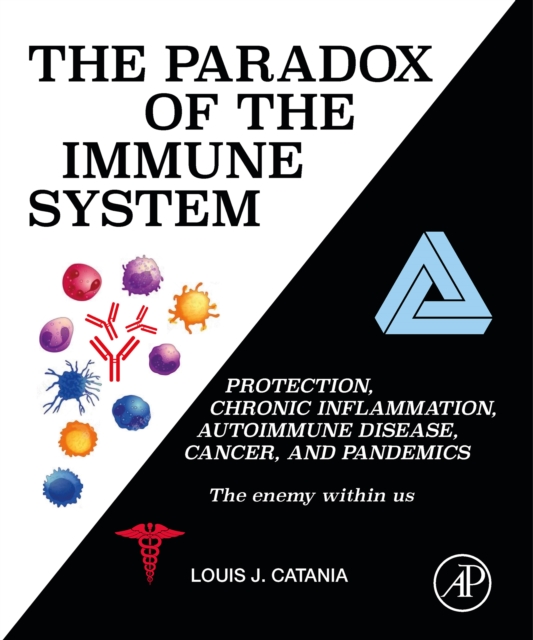
The Paradox of the Immune System: Protection, Inflammation, Autoimmune Disease and Beyond provides a provocative approach to immunology as a "e;double-edged sword.
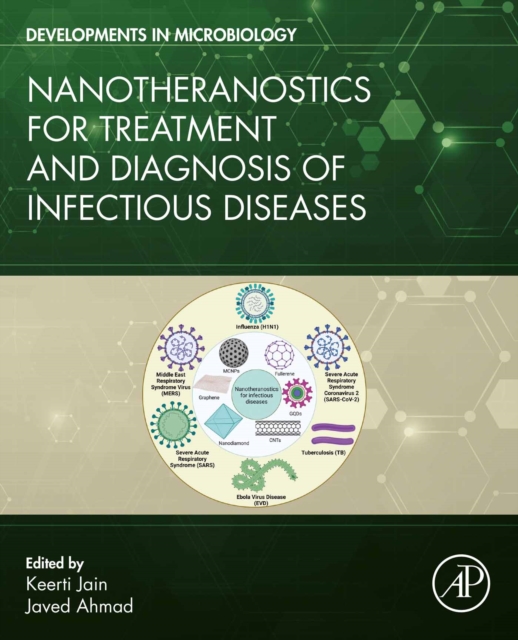
Nanotheranostics for Treatment and Diagnosis of Infectious Diseases comprises the latest information on the technological advancements made in the field of nanotechnology for application in therapeutics with diagnostic applications.
A Molecular Approach to Immunogenetics, Immunogenetics: A Molecular and Clinical Overview, Volume One provides readers with an exclusive, updated overview on the scientific knowledge, achievements and findings in the field of immunogenetics.
Immunology of Recurrent Pregnancy Loss provides doctors and immunologists with the information they need to help couples who experience recurrent pregnancy losses.
Strategies to Mitigate the Toxicity of Cancer Therapeutics, Volume 155 in the Advances in Cancer Research series, highlights new advances in the field, with this new volume presenting interesting chapters, each of which is written by an international board of authors.
Clinical Applications of Immunogenetics: Immunogenetics: A Molecular and Clinical Overview, Volume II provides readers with an exclusive, updated overview of scientific knowledge, achievements and findings in the field of immunogenetics.
Laboratory Practices in Microbiology provides updated insights on methods of isolation and cultivation, morphology of microorganisms, the determination of biochemical activities of microorganisms, and physical and chemical effects on microorganisms.
Advances in Immunology, Volume 149, the latest release in a long-established and highly respected publication, presents current developments and comprehensive reviews in immunology.
As the autoimmune diseases could affect different organs, Translational Autoimmunity: Autoimmune Diseases in Different Organs addresses the spectrum of autoimmune diseases.
Translational Autoimmunity: Treatment of Autoimmune Diseases, Volume Two in the Translational Immunology series, focuses on advances in therapeutic modalities in autoimmune diseases.
Translational Autoimmunity: Autoimmune Diseases in Different Clinical Settings addresses autoimmunity and associated conditions, such as aging, infectious diseases, cancer, neurodegeneration, psychological disorders, fertility, inflammatory vascular diseases, and interstitial lung diseases.
Stromal Signaling in Cancer, Volume 154 in the Advances in Cancer Research series, highlights new advances in the field, with this new volume presenting interesting chapters on a variety of timely topics surrounding cancer research.
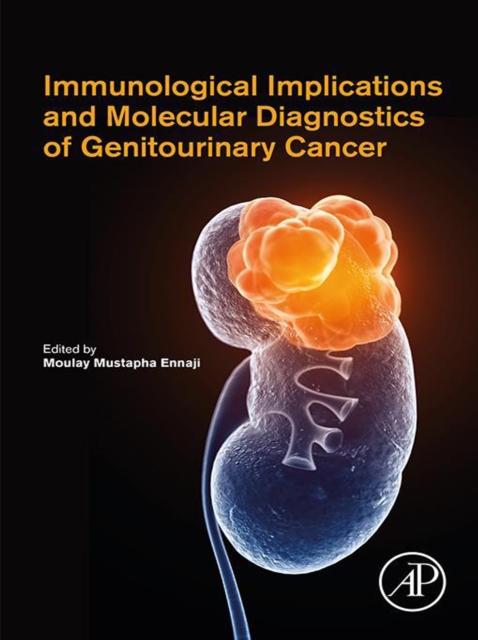
Immunological Implications and Molecular Diagnostics of Genitourinary Cancer updates on recent accomplishments, unifying concepts, and future challenges in the study of tumor-associated immune cells, emphasizing genitourinary cancers.
Translational Autoimmunity: Challenges for Autoimmune Diseases, Fifth Edition addresses diagnostic approaches, therapeutic opportunities, and prognostic markers of different autoimmune diseases.
Advances in Immunology, Volume 152, the latest release in a long-established and highly respected publication, presents current developments and comprehensive reviews in immunology, including chapters that cover Renal diseases and the role of complement in their pathogenesis, Factor H and Properdin and their regulation, Complement in neuronal diseases, Complement and the brain.
Advances in Immunology, Volume 151, the latest release in a long-established and highly respected publication, presents current developments and comprehensive reviews in immunology.
Advances in Immunology, Volume 150, the latest release in a long-established and highly respected publication, presents current developments and comprehensive reviews in immunology.
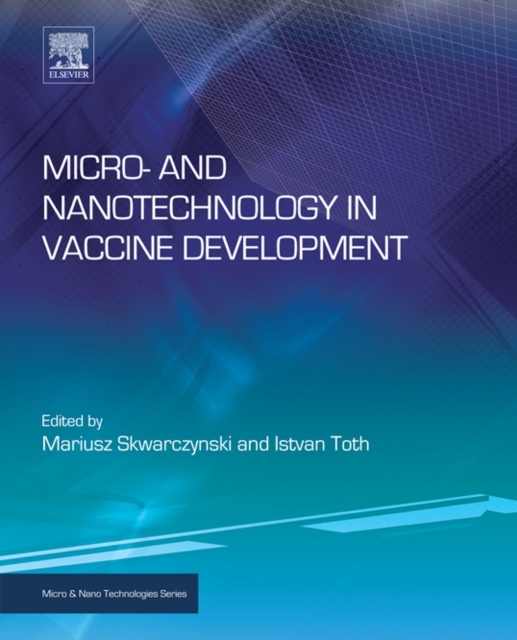
This book provides a comprehensive overview of how use of micro- and nanotechnology (MNT) has allowed major new advance in vaccine development research, and the challenges that immunologists face in making further progress.