This book presents artificial intelligence applications that may help in detecting disease, defining tissue characterization (benign vs malignant), staging and correlation with molecular biomarkers.
The second edition of this atlas focuses on imaging methods and techniques, new diagnostic concepts and therapeutic approaches in management of pancreatic neoplasms.
This textbook discusses the systemic consequences of cancer, covering a range of topics from tumor-promoting systemic effects to the development of cachexia, as summarized in the introductory chapter 1.
This book focuses on the fundamentals and applications of messenger RNA (mRNA)-based therapeutics and discusses the strengths and key challenges of this emerging class of drugs.
The book offers in a single resource the whole coverage of different diseases and lesions, congenital or acquired, of the tongue, along with a complete spectrum of surgical techniques that can be used to achieve the best functional and aesthetic results.
This book focuses on the fundamentals and applications of messenger RNA (mRNA)-based therapeutics and discusses the strengths and key challenges of this emerging class of drugs.
This practical guide to the use of radiotherapy for the treatment of sarcomas and skin cancers covers a wide range of disease scenarios, identifying which treatment techniques are applicable in particular clinical circumstances.
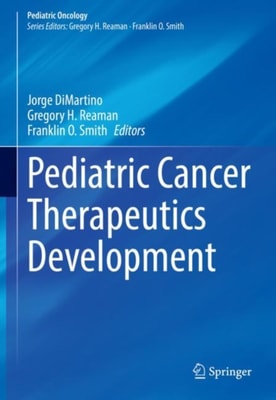
This book provides a comprehensive overview of the scientific, medical, regulatory, and economic considerations associated with the discovery, development, and delivery of novel therapeutics for children with cancer.
Breast cancer remains the leading cause of cancer in women, which makes accurate diagnoses on core needle biopsy (CNB) specimens of vital importance in staging and guiding therapy decisions for patients.
This book is mainly intended for residents and young physicians in Nuclear Medicine, Oncology and Gynaecology, as well as other professionals interested in this area.
This book presents unique compendium of groundbreaking ideas where scientists from many different backgrounds are united in their interest in interdisciplinary approaches towards origins and development of cancers, innovative ways of searching for cancer treatment and the role of cancer in the evolution.
This book offers a comprehensive overview of the development and application of microfluidics and biosensors in cancer research, in particular, their applications in cancer modeling and theranostics.
This textbook aims to describe in a condensed form the essentials of molecular immunology behind bacterial infections, the microbiome, viral infections (such as influenza and COVID-19), organ transplantations, autoimmunity, allergy and tumor immunology.
The book is an update on contentious or unsettled issues concerning invasive diagnostic and therapeutic challenges in cancer and related disorders, focusing on the surgical approach.
This practical guide, now in a revised and updated second edition with more clinical cases for different stages, is designed as a concise reference on the delineation of target volumes in radiation oncology.
This popular textbook, now in its third edition, provides a theoretical framework for understanding why cancers arise, how they develop and how they can be treated.
The main purpose of this book is to create a reference for the indications, contraindications, patient selection, treatment practice, treatment side effect management, and follow-up of radionuclide treatments.
This book presents the clinical scope of cancer immunotherapeutic agents for solid tumors and Hematologic malignancies, elaborates on the scientific details of their modes of action, and presents the impact of these agents on oncology, patients and the broader healthcare system.
This textbook describes in detail the process of cancer metastasis from a single cell in the primary site through its arduous journey to the sentinel lymph node as the main gateway and beyond to distant sites.
The book provides, in a comprehensive yet concise way, essential information to improve the knowledge and skills of all healthcare providers involved in the treatment of patients with breast cancer.
This contributed volume gathers the latest knowledge in the field of stem cells in human reproductive organs, as well as animal models, and to consider the possibility of using this knowledge for clinical purposes.
This book summarizes evidence on frailty and ageing, how this may impact patient outcomes and how frailty can be assessed, managed and incorporated in the decision-making process for older patients with cancer.