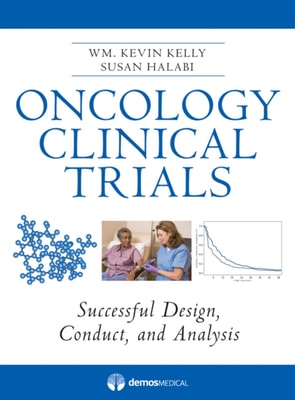
Clinical trials are the engine of progress in the development of new drugs and devices for the detection, monitoring, prevention and treatment of cancer.
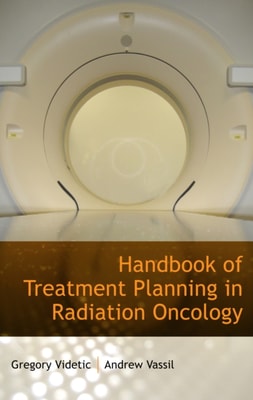
The Handbook of Treatment Planning in Radiation Oncology is a focused pocket-sized handbook designed for Radiation Oncology trainees and residents, to serve as an up-to-date, quick resource to lead them through all of the standard steps to plan and deliver radiotherapy for all major malignancies.
Surgical neuropathology is a challenging arena for many pathologists, due in large part to a relative lack of experience of most pathologists in this area compared to other areas of surgical pathology.
Multiple Myeloma: The second issue of Emerging Cancer Therapeutics focuses on multiple myelomas also known as plasma cell myeloma, KahlerIs Disease and myelomatosis.
Biliary Tract and Gallbladder Cancer: Diagnosis and Therapy is a comprehensive and definitive discussion of all aspects of the treatment of malignant tumors of the gallbladder and biliary tract.
New therapies and treatments targeted at brain metastasis are rapidly resulting in improved survival and quality of life for patients with this condition.
This book presents chromosome-wise clinical cases following an evidence-based protocol, in addition to providing the scientific background on the mechanisms of human ring chromosome (RC) formation.
This book presents chromosome-wise clinical cases following an evidence-based protocol, in addition to providing the scientific background on the mechanisms of human ring chromosome (RC) formation.
Clinical trials are the engine of progress in the development of new drugs and devices for the detection, monitoring, prevention and treatment of cancer.
Principles of Immunotherapy in Breast and Gastrointestinal Cancers: Activity, Mechanisms of Resistance and New Sensitization Strategies presents updated research findings on immunotherapy, with special focus on the mechanisms of resistance of those cancer types and how to overcome them.
Cancer Cachexia is a concise, fully illustrated handbook written with the aim of increasing awareness of cancer cachexia and highlighting best practice diagnosis, treatment, and management options for this devastating disorder.
This compassionate guide presents an array of new perspectives on the emotional effects of breast cancer and includes many personal testimonies from women who have been diagnosed with this disease.
Ever wondered if your patient's new symptoms are a manifestation of metastatic disease, treatment effects or are altogether unrelated to the cancer diagnosis; whether herbal remedies interact with cancer treatment; when to refer for genetic testing; or how to provide informed advice regarding dietary and lifestyle modifications?
'It's rare to find a professional in the field of health care who understands the psychology of such a frightening experience and who has also been through it herself.
The application of nuclear magnetic resonance (NMR) metabolomics in cancer research requires an understanding of the many possibilities that NMR metabolomics can offer, as well as of the specific characteristics of the cancer metabolic phenotype and the open questions in cancer research.
Electroporation-Based Therapies for Cancer reviews electroporation-based clinical studies in hospitals for various cancer treatments, including melanomas, head and neck cancers, chest wall breast carcinomas, and colorectal cancers, as well as research studies in the lab using cell lines, primary cells, and animals.
Handbook of Cutaneous Melanoma is a concise review, which discusses epidemiology, pathogenesis, clinical features, diagnosis and staging, and current and emerging treatments for local and metastatic disease.
Managing Cancer Breakthrough Pain is a comprehensive review of cancer breakthrough pain (cBTP) and rapid-onset opioids (ROO), the only treatment approved for cBTP episodes.
Cancer-related fatigue (CrF) is increasingly recognized as a significant problem for patients with cancer at all stages, including those undergoing therapy and in remission.
Treatment tolerance is a challenge for most cancer patients, and it is therefore essential that healthcare professionals (HCPs) are quick to recognize adverse events and implement management strategies to address them.
Treatment tolerance is a challenge for most cancer patients, and it is therefore essential that healthcare professionals (HCP) are quick to recognize adverse events and implement management strategies to address them.
Food and cancer prevention: Chemical and biological aspects is the first book to be published on this subject and represents the current state-of-the-art.
Comprehensive and international in content, Dietary anticarcinogens and antimutagens: Chemical and biological aspects includes topics as diverse as the health benefits of tea, wine and beer, through the prevention of various cancers, to the development of effective communication for healthy eating.
Highly Commended, BMA Medical Book Awards 2014Chronic myeloid leukemia is a clonal disease that results from an acquired genetic change in a single pluripotential hemopoietic stem cell.