This Handbook on cancer biology comprehensively reviews the current status of the oncobiology of major cancer types, cancer detection and treatment strategies, principles and processes of cancer drug development, and nanomedicine and other emerging cancer medicine applications to cancer diagnosis and treatment.
Textbook of Penile Cancer reports accurately on recent developments in the management of penile cancer, whilst also covering the fundamentals of the disease, to provide a comprehensive, stand-alone and up-to-date volume on the subject.
Atlas of Genitourinary Pathology provides a single referral source for images and information concerning all pathological entities in the field of genitourinary pathology.
Venous Embolization of the Liver: Radiologic and Surgical Practice explores the theoretical advantages and clinical implications for utilizing Venous Embolization techniques, including portal vein and hepatic vein embolization.
In most parts of the world the treatment of adults with surgically correctable abnormalities of the thorax and its contents is provided by specially trained thoracic surgeons.
Cancer of the Testis covers the complete field of testis cancer including the germ cell tumors and the stromal tumors, from epidemiology to new chemotherapeutic agents and schedules, throughout genetic features, risk factors, risk adapted treatments, role of different types of surgery and special clinical situations.
Genitourinary Radiology: Kidney, Bladder and Urethra: The Pathologic Basis is the first volume in a set of books on the pathologic basis of genitourinary radiology.
This book is designed, as the title "e;Pathways to healing"e; suggests, to allow you and your family ready access to all the information you require about your c- cer to allow you to understand the different directions your disease may take.
A comprehensive, evidence-based introduction to the area of lymphology, the book is directed mainly to the US audience and will appeal to an interdiscplinary field of health professionals.
The number of patients diagnosed with thyroid cancer is increasing drama- cally in the United States, and there are more than 30,000new cases annually.
Urological oncology is a subject of enormous interest to large numbers of uro- gists throughout the world, particularly with our increasing understanding of the possible causes and pathogenesis of the condition.
PET/CT in Clinical Practice provides guidelines for appropriate use of PET/CT in lung, lymphoma, esophageal, colorectal, head/neck and melanoma, with reference also made to tumors of the male and female reproductive system.
This book is intended as a basic overview of the drug treatment of cancer for junior doctors and specialist nurses who come into contact with people having chemotherapy as part of their day-- day work.
"e;Atlas of Staging in Gynecological Cancer"e; is designed to be used in conjunction with diagnostic procedures between the surgeon and the radiologist.
Tumor Neurosurgery is a compilation by a faculty of internationally recognized expert authors providing information on the basic knowledge and clinical management required for optimal care of neurosurgical patients.
A practical manual covering the full spectrum of PET and PET/CT imaging, now in common clinical practice, this book includes images of normal variants, artifacts, and pathologic conditions.
Nuclear medicine plays a crucial role in patient care, and this book is an essential guide for all practitioners to the many techniques that inform clinical management.
Essential for students, science and medical graduates who want to understand the basic science of Positron Emission Tomography (PET), this book describes the physics, chemistry, technology and overview of the clinical uses behind the science of PET and the imaging techniques it uses.
The use of positron emission tomography (PET) in clinical practice is key to the s- cessful management of many patients with a wide variety of diseases.
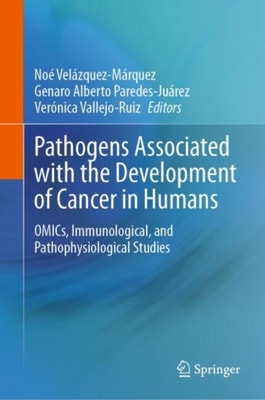
This book examines the relationship between the different infectious agents, such as viruses, bacteria, protozoa, and fungi, in the development of cancer.
The book presents a unique and structured interdisciplinary approach, integrating insights from medicine, computer science, bioengineering, and other relevant fields.
This comprehensive guide serves as both an educational resource and a practical manual for surgeons performing gastric resections as well as clinicians involved in the care of gastric cancer patients.
This book shares cutting-edge evidence on Hereditary Breast and Ovarian Cancer (HBOC) treatment, delivering facts on breast cancer, gynecologic oncology, and basic research to contribute to clinicians' practices.
The book presents a unique and structured interdisciplinary approach, integrating insights from medicine, computer science, bioengineering, and other relevant fields.
This book will give an up-to-date and thorough exposition of the state of the art of concepts, design, and recent advances in nanobiotechnology-based strategies for cancer Immunotherapy, and their current and clinical status.
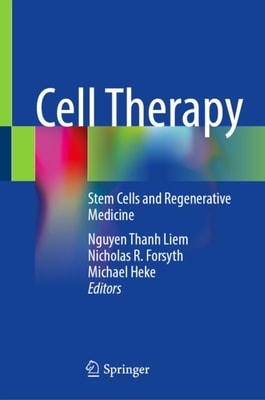
This book provides an overview of cell-based therapy for human diseases including the definition, history, and clinical applications of human stem cells and their use in regenerative medicine.
The emerging role of gut microbiota and postbiotics has implications for the management of not only human health and diseases, but also colorectal cancer in particular, as these elements influence colorectal cancer pathogenesis, treatment, and prevention.
This book encompasses the results of two decades of research on locoregional spread of gynecologic cancer, which put forth the ontogenetic cancer field model and its clinical translation in terms of ontogenetic tumor staging and cancer field surgery, particularly for carcinomas of the lower female genital tract.
This book aims to explore the correlation between pathology and molecular biology with the clinical and diagnostic features, management, and outcome of meningiomas.
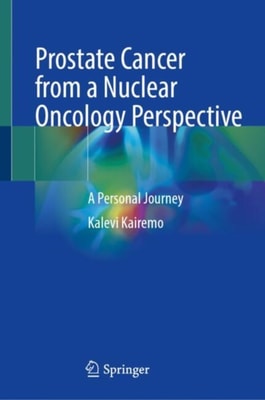
This book provides a comprehensive review of innovative diagnostic methods for prostate cancer, with a particular emphasis on the development of PET radiopharmaceuticals.
This book encompasses the results of two decades of research on locoregional spread of gynecologic cancer, which put forth the ontogenetic cancer field model and its clinical translation in terms of ontogenetic tumor staging and cancer field surgery, particularly for carcinomas of the lower female genital tract.