This thoroughly revised and extended second edition of the book clearly explains the nature of colon polyps and their relationship to colorectal cancer in light of new developments.
This is the first of four volumes that together offer an authoritative, in-depth reference guide covering all aspects of the management of oral cancer from a multidisciplinary perspective and on the basis of a strong scientific foundation.
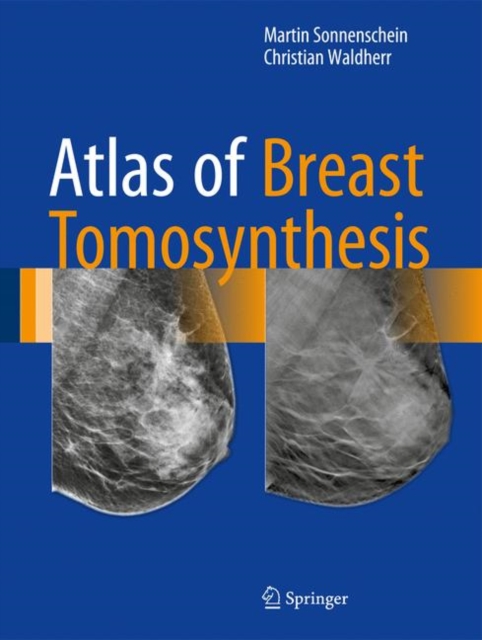
This superbly illustrated atlas of breast tomosynthesis covers all aspects and applications of the technology, which reduces tissue overlap and facilitates the recognition of small cancers.
This volume, with chapters written by experts in the field of cancerous tumors, details the key factors associated with liquid biopsies in solid tumors: blood-based diagnostics; circulating tumor cells; enumeration and molecular analysis (association with breast cancer); epithelialmesenchymal transition; detection and monitoring; circulating-free tumor DNA; CTCs and ctDNA; and the exosome.
This book is about the manipulation of the immune system as a therapeutic approach to gastrointestinal cancer and its clinical applications, exploring therapeutic approaches which might be taken under the broad banner of immunotherapy.
Infectious diseases as a specialty suffers from many unique challenges stemming from lower salaries compared to other medical specialties and difficulty keeping the younger demographic within the field.
This work details contemporary clinical knowledge on the multidisciplinary management of pituitary and other sellar/parasellar tumors, with a focus on surgical techniques and a particular emphasis on complication avoidance and management.
This book is a comprehensive guide to Targeted Drug Delivery (TDD), also known as Intrathecal Drug Delivery (IDD), and offers an overview to this unique form of treatment.
This book aims to provide the reader with a complete understanding of the development of oral cancer by explaining the role of a wide variety of implicated risk factors and identifying their gene targets and key regulators.
This book provides surgeons and oncologists with a well-founded and detailed overview of the available treatment options for peritoneal malignancy and differential selection of the appropriate forms of therapy.
This book offers a cutting-edge guide to hysteroscopy and provides readers with the latest and most essential information on procedure techniques, clinical advances and international developments in practice and treatment of endometrial pathology.
In this book, experts in the field express their well-reasoned opinions on a range of complex, clinically relevant issues across the full spectrum of cell and gene therapies with the aim of providing trainee and practicing hematologists, including hematopoietic transplant physicians, with information that is relevant to clinical practice and ongoing research.
This book focuses on the mechanical properties of cells, discussing the basic concepts and processes in the fields of immunology, biology, and biochemistry.
This pocket book provides up-to-date guidance on the use of PET/CT in patients with melanoma, which is of rapidly growing importance due to the emergence of immunotherapy.
This volume opens by providing a comprehensive overview of the use and regulation of metals in our society, metal properties, and available testing methodologies.
Revealing essential roles of the tumor microenvironment in cancer progression, this book provides a comprehensive overview of the latest research on the role of interleukins in the tumor microenvironment.
This is the second of four volumes that together offer an authoritative, in-depth reference guide covering all aspects of the management of oral cancer from a multidisciplinary perspective and on the basis of a strong scientific foundation.
This book, now in its second edition, provides a comprehensive overview of current re-irradiation strategies, with detailed discussion of re-irradiation methods, technical aspects, the role of combined therapy with anticancer drugs and hyperthermia, and normal tissue tolerance.
This is the last of four volumes that together offer an authoritative, in-depth reference guide covering all aspects of the management of oral cancer from a multidisciplinary perspective and on the basis of a strong scientific foundation.
This volume presents infectious diseases modeled mathematically, taking seasonality and changes in population behavior into account, using a switched and hybrid systems framework.
This practical manual, written by well-known experts, reviews current indications for the use of IgG concentrates and some other modern immunomodulators and provides fundamental information on present-day immunomodulation in patients (and mice).
This textbook will provide a systematic comprehension of the various medically important human parasites; their distribution, habitat, morphology and life cycle, pathogenesis and clinical features, laboratory diagnosis, treatment, prevention and control.
This book offers a comprehensive overview of thoracic pathologies of surgical interest involving the lung, mediastinum, esophagus, and chest wall with the aim of providing both radiologists and thoracic surgeons with a reference of high value in everyday clinical practice.
Building on the traditional concept of nuclear medicine, this textbook presents cutting-edge concepts of hybrid imaging and discusses the close interactions between nuclear medicine and other clinical specialties, in order to achieve the best possible outcomes for patients.
This book discusses in detail various serological tests that are used to identify medical conditions and diseases, from a general overview of each test to the equipment and steps needed to carry them out.
This book presents a novel molecular description for understanding the regulatory mechanisms behind the autonomy and self-organization in biological systems.
The main aim of this book is to collect a series of research articles and reviews from a diverse group of scientists to share their research work on the role of free radical research and environmental toxicity.
This book provides guidance regarding the approach to common scenarios encountered in the frozen section laboratory while underscoring diagnostic pitfalls and providing the proper level of diagnostic information to ensure clear communication.
This book explains how diffusion weighted imaging has been incorporated in routine MRI examinations of the abdomen and pelvis: though its clinical role is still evolving, it is already considered an important tool for the assessment of rectal cancer treatment response, as was confirmed in recent ESGAR consensus statements.