This book covers classic epidemiological designs that use a reference/control group, including case-control, case-cohort, nested case-control and variations of these designs, such as stratified and two-stage designs.
Infectious Diseases: Smart Study Guide for Medical Students, Residents, Physicians and Clinical Pharmacists attempts to consolidate knowledge and information into a step-by-step process that would be easy to understand, remember, and apply in a clinical setting.
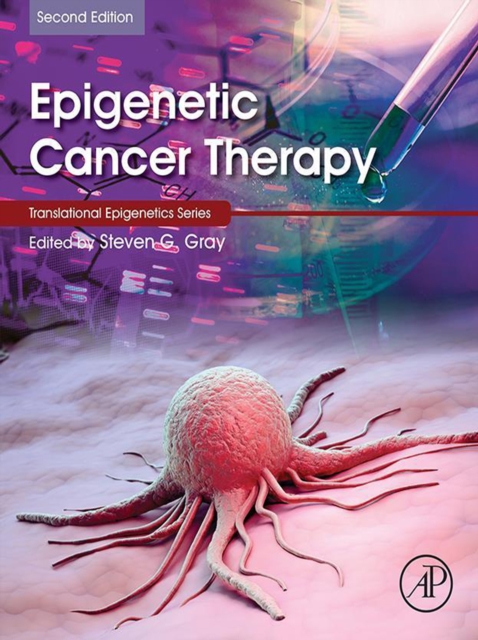
Epigenetic Cancer Therapy, Second Edition provides a comprehensive discussion of healthy and aberrant epigenetic biology, along with new discoveries to improve our understanding of cancer epigenetics and therapeutics.
Infectious Diseases: Smart Study Guide for Medical Students, Residents, Physicians and Clinical Pharmacists attempts to consolidate knowledge and information into a step-by-step process that would be easy to understand, remember, and apply in a clinical setting.
The second edition volume expands on the previous edition with new and updated chapters on the latest methods used for studying presentation of antigenic peptides produced in the standard processing pathways for MHC class I and II molecules.
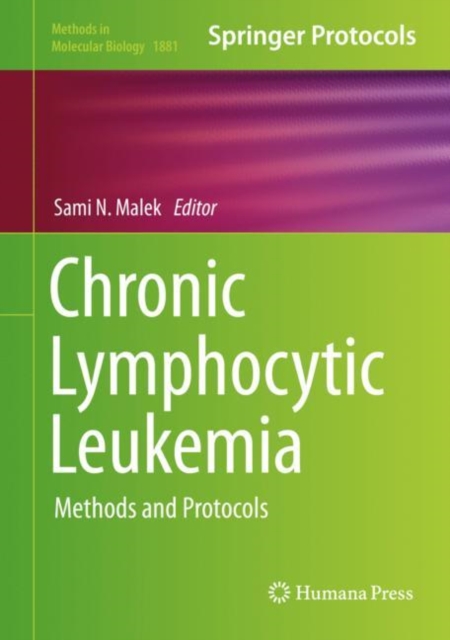
This book aims to provide scientists with tools and well-researched protocols to enable their research and to facilitate further progress in this common leukemia.
This book covers core and emerging in vitro and in vivo protocols used to study how various components of the tumor microenvironment are established and subsequently interact with tumor cells to facilitate carcinogenesis.
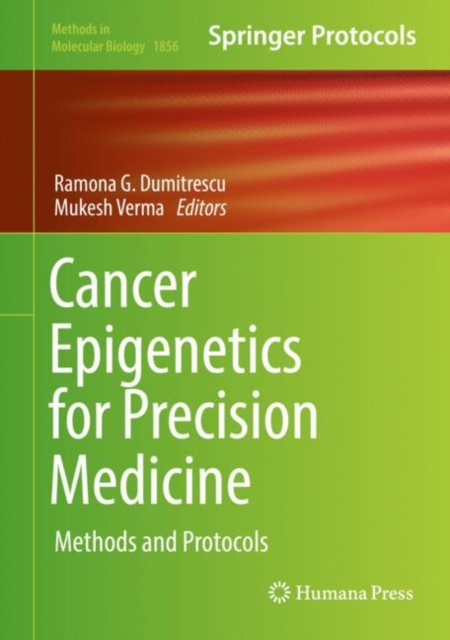
This volume discusses certain epigenetic changes recognized in early carcinogenic lesions and different tumors, as well as factors that alter the epigenome and epigenetic profile such as diet, alcohol, immunity, circadian rhythm, and more.
Translational Autoimmunity: Advances in Autoimmune Rheumatic Diseases, Volume Six addresses autoimmune diseases classified under the category of rheumatic diseases.
Equal to the Madness: Countertransference Intensive Psychotherapy for Psychosis is among the first books of its kind to offer a semistructured psychoanalytic treatment for schizophrenia and psychotic disorders.
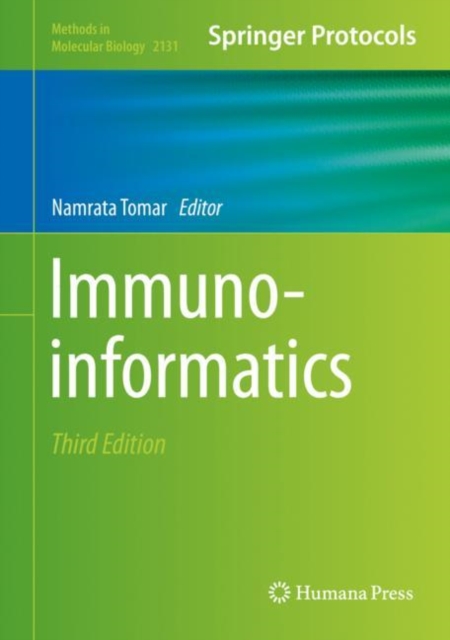
This book covers a wide range of diverse immunoinformatics research topics, involving tools and databases of potential epitope prediction, HLA gene analysis, MHC characterizing, in silico vaccine design, mathematical modeling of host-pathogen interactions, and network analysis of immune system data.
This book of the series on "e;Advances in Biochemistry in Health and Disease"e; includes state-of-the-art information on the status of renin-angiotensin system (RAS) in the form of 24 chapters.
The immunoglobulin gene complex is responsible for generating an extraordinarily wide range of antibodies, each possessing a unique antigen specificity.
This volume explores the latest collection of cell models that are used in preclinical cancer research, and covers both two-dimensional and three-dimensional culturing techniques.
In the ever-evolving landscape of cancer treatment, the fusion of artificial intelligence (AI) with medical science marks a groundbreaking shift toward more precise, efficient, and personalized healthcare.
Dieses Buch befasst sich mit der Komplexität von Diabetes und den damit verbundenen Komplikationen und stellt die sozioökonomische Belastung durch die Krankheit dar, wobei die steigende Prävalenz, die pandemische Ausmaße erreicht, und die damit verbundenen Kosten berücksichtigt werden.
Malignome des Kopf-Halsbereichs sind eine heterogene Gruppe bösartiger Tumoren, deren Diagnostik und Therapie ein inter- und multidisziplinäres Konzept erfordern.
This volume explores the latest collection of cell models that are used in preclinical cancer research, and covers both two-dimensional and three-dimensional culturing techniques.
Im Zuge der Globalisierung, bei der Container und Menschen von einem Kontinent zum anderen transportiert werden, landen täglich Erreger oder Krankheitsüberträger in Europa an und können sich schnell ausbreiten.
The immune system is a complex network in which different cell types and soluble factors interact to efficiently eliminate various kinds of microorganisms as well as aberrant cell clones.
The second edition of this book updates, reviews, and discusses the latest findings on the pathophysiology, diagnosis, and management of cardiovascular disease in the older patient.
Advances in Cancer Research, Volume 137, the latest release in this ongoing, well-regarded serial provides invaluable information on the exciting and fast-moving field of cancer research.
The disability-adjusted life year (DALY) is a generic measure of health effect that can be used in cost-effectiveness analysis as an alternative to the quality-adjusted life year (QALY).
Molecular Biology of B Cells, Second Edition is a comprehensive reference to how B cells are generated, selected, activated and engaged in antibody production.
Mechanisms and Therapy of Liver Cancer, Volume 149, presents the latest information on the incidence and mortality of liver cancer research and how it has gained significant momentum because of its direct causative association with obesity-induced fatty liver disease.
This volume contains up-to-date contributions written by leading experts in the role played by various microorganisms in psychiatric and neurological illness.
Introduces the reader to Circulating Tumor Cells (CTCs), their isolation method and analysis, and commercially available platforms Presents the historical perspective and the overview of the field of circulating tumor cells (CTCs) Discusses the state-of-art methods for CTC isolation, ranging from the macro- to micro-scale, from positive concentration to negative depletion, and from biological-property-enabled to physical-property-based approaches Details commercially available CTC platforms Describes post-isolation analysis and clinical translation Provides a glossary of scientific terms related to CTCs
The book analyses microbiome-relevant findings focused on clinical needs providing the roadmap to implement recent achievements in the area representing a valuable contribution to the paradigm shift from reactive to predictive, preventive and personalised medicine (PPPM / 3PM) considered as the most advanced concept in medicine.