The considerable increase in the incidence of thyroid cancer in children in areas exposed to the fallout from the Chernobyl nuclear reactor accident has drawn attention to the need for a better understanding of the relationship between radiation exposure (especially from the radionuclides of iodine) and the risk of thyroid cancer.
This volume focuses on novel developments in our basic understanding of the anatomy, molecular biology and cell biology of the normal human pancreas and the mechanisms underlying changes in chronic pancreatitis.
With advances in our understanding of the molecular biology of human diseases and the development of efficient gene transfer techniques, the treatment of such diseases as cancer and infectious disease using gene therapy has progressed from a distant prospect to a distinct possibility in a very short time.
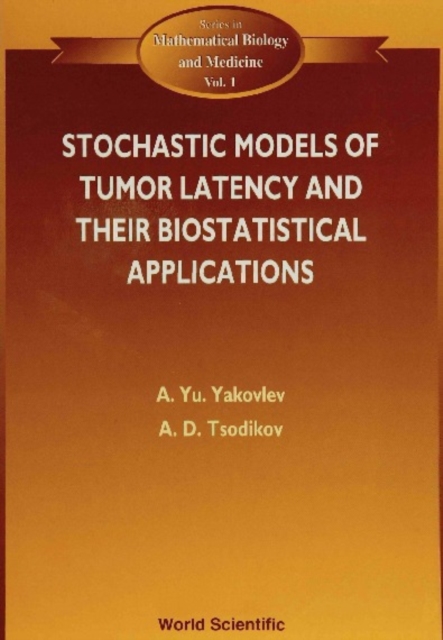
This research monograph discusses newly developed mathematical models and methods that provide biologically meaningful inferences from data on cancer latency produced by follow-up and discrete surveillance studies.
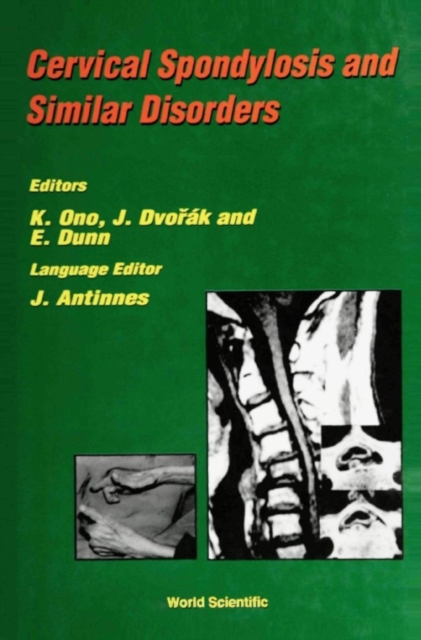
With rapid advances in medical technology and progress in medicine during the last 27 years, severe disability or sustained neck-shoulder-arm pain secondary to cervical spondylosis can be detected much earlier.
This important book comprises a narrative account of research on the hepatitis B virus (and related subjects) and selected reprints from the laboratory of Nobel laureate Baruch S Blumberg and his colleagues.
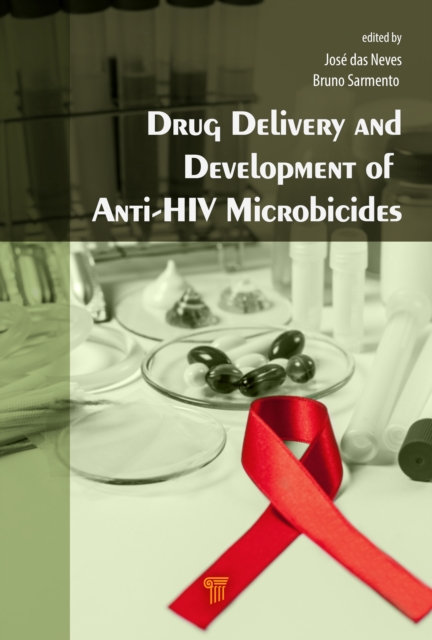
AIDS (autoimmune deficiency syndrome) is a devastating human disease caused by HIV, a human immunodeficiency virus, which may be transmitted by either sexual or other contacts in which body fluids are exchanged.
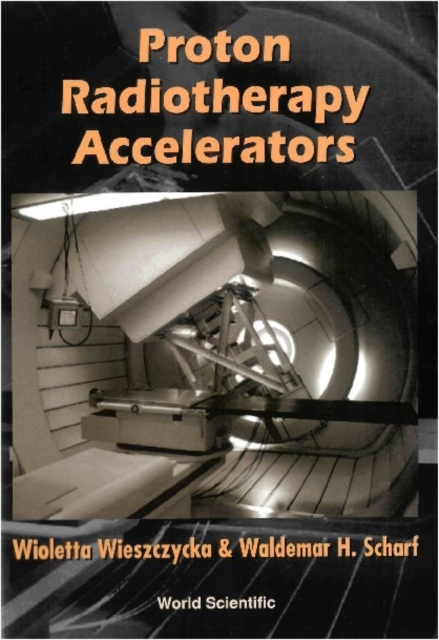
Hadronic radiotherapy uses particle beams to treat tumors located near critical body structures and tumors that respond poorly to conventional photon and electron beam radiotherapy.
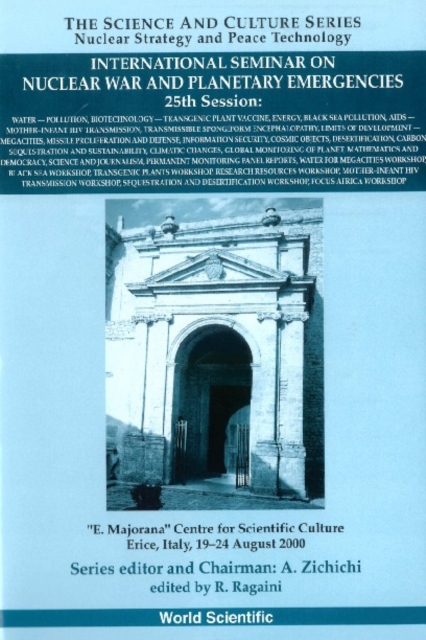
Full Title: Water - Pollution, Biotechnology - Transgenic Plant Vaccine, Energy, Black Sea Pollution, AIDS - Mother-Infant HIV Transmission, Transmissible Spongiform Encephalopathy, Limits of Development - Megacities, Missile Proliferation and Defense - Information Security, Cosmic Objects, Desertification, Carbon Sequestration and Sustainability, Climatic Changes, Global Monitoring of Planet, Mathematics and Democracy, Science and Journalism, Permanent Monitoring Panel Reports, Water for Megacities Workshop, Black Sea Workshop, Transgenic Plants Workshop, Research Resources Workshop, Mother-Infant HIV Transmission Workshop, Sequestration and Desertification Workshop, Focus Africa Workshop
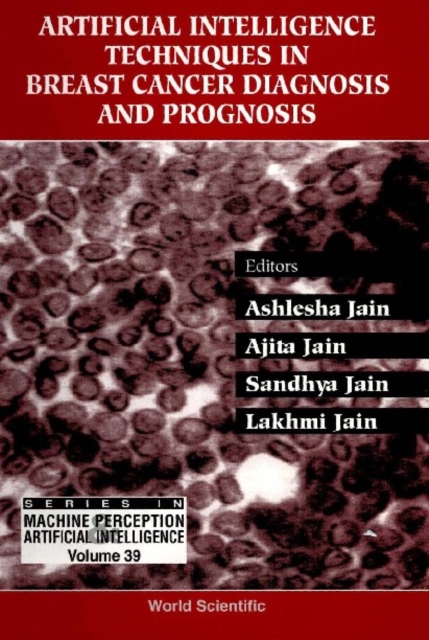
The main aim of this book is to present a sample of recent research on the application of novel artificial intelligence paradigms to the diagnosis and prognosis of breast cancer.
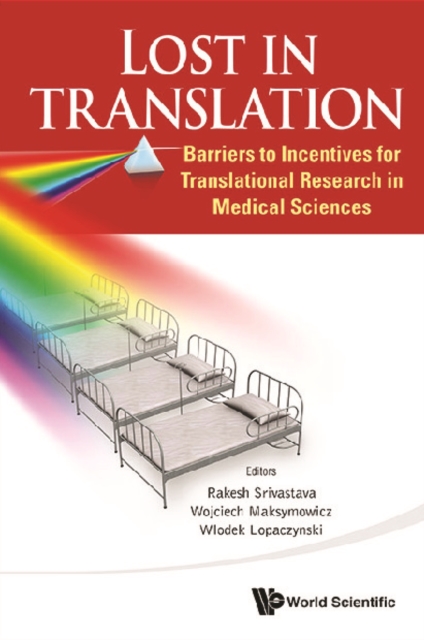
This book is all about the definition and finding ways to prioritize and accelerate translation research in biomedical sciences and rapidly turning new knowledge into first-in-human studies.
On 12 March 2003, the World Health Organisation (WHO) issued a global alert on the outbreak of a new form of pneumonia-like disease with symptoms that are similar to those of the common flu.
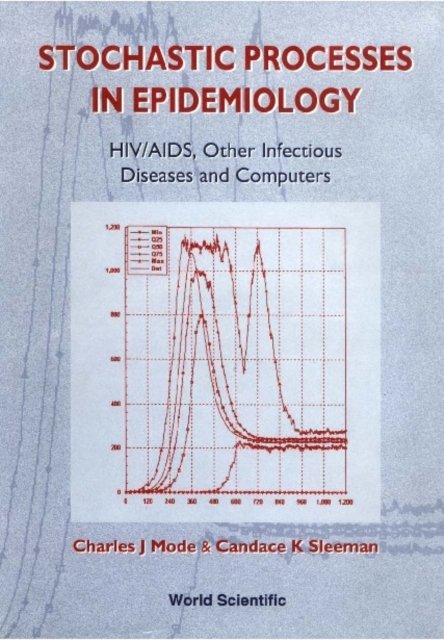
With contributions from an international team of leading researchers, the book pulls together updated research results in the area of HIV/AIDS modeling to provide readers with the latest information in the field.
Initially stimulated by a scholarly workshop convened in Singapore in late 2004, and written over the subsequent 18 months, this volume considers the potentially lethal pattern of infectious disease emergence in Asia.
Since the discovery of the circulating "e;fibrocyte"e; in 1994 as a collagen-producing cell of the peripheral blood, the physiologic and pathologic role of this unique cell populaton has grown steadily.
This essential book is a compendium of papers written by an international team of world-renowned experts, who cover topics in their respective areas of expertise.
This volume describes the elaborate surveillance systems and various DNA repair mechanisms that ensure accurate passage of genetic information onto daughter cells.
Essential reading for both medical students and academics in the fields of ophthalmology, neurology and oncology, this is the first textbook to cover the subject of primary intraocular lymphoma (PIOL).
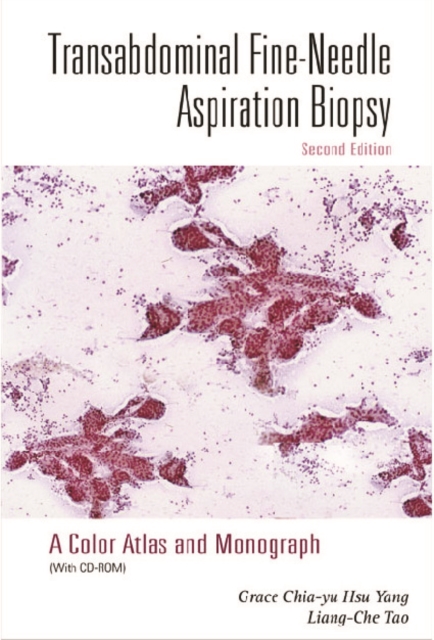
* Over 1,350 illustrations in 350 innovative composite figures designed to teach general pathologists the cytologic approach and cytologists the histologic basis for cytologic criteria* CD-ROM containing high resolution composite images that can be enlarged to the size of computer screen and detailed legends with clinical presentation, cytologic clues with different stains from low to high magnification as well as the mistakes made and lessons learned* Pathologic entities are arranged in the current classifications used by surgical pathologists so that they can translate their experience in histopathology to cytopathology* New classifications of tumors based on advances in cytogenetic and molecular evidence and all new illustrated cases from G C H Yang's collection* A new chapter on gynecologic tumors has been added.
Stem cells provide for life-long cell replacement in tissues and organs, and have inherent homing abilities that are critical in therapeutic applications.
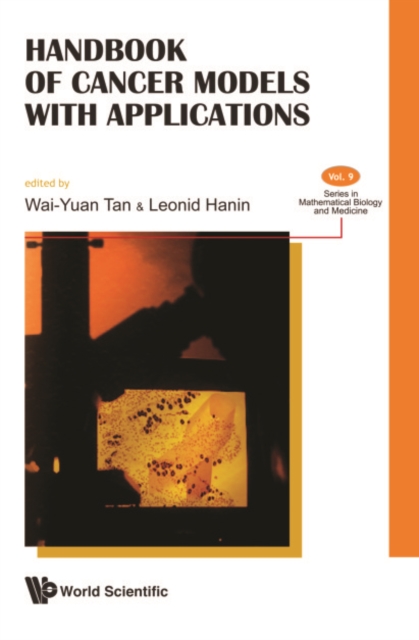
Composed of contributions from an international team of leading researchers, this book pulls together the most recent research results in the field of cancer modeling to provide readers with the most advanced mathematical models of cancer and their applications.
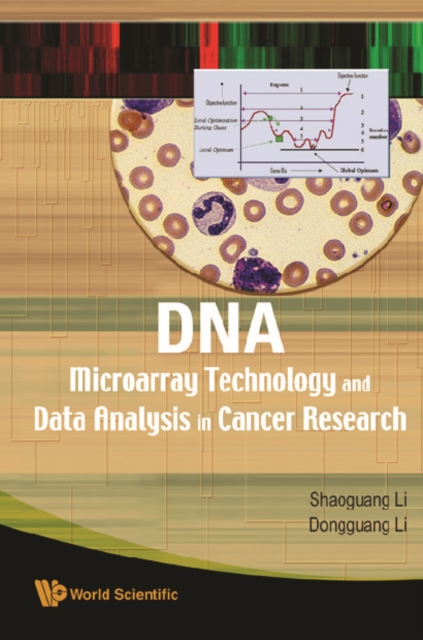
DNA microarray technology has become a useful technique in gene expression analysis for the development of new diagnostic tools and for the identification of disease genes and therapeutic targets for human cancers.
This very provocative book takes the reader on a "e;think-out-of-the-box"e; journey through the development of a treatment regimen for multiple myeloma called "e;dtZ"e;.
This book provides a systematic introduction to the fundamental methods and techniques and the frontiers of - along with many new ideas and results on - infectious disease modeling, parameter estimation and transmission dynamics.
This book presents an overview of lysosomal storage disorders, and provides the reader with an understanding of clinical features, associated complications, and diagnosis and management approaches.
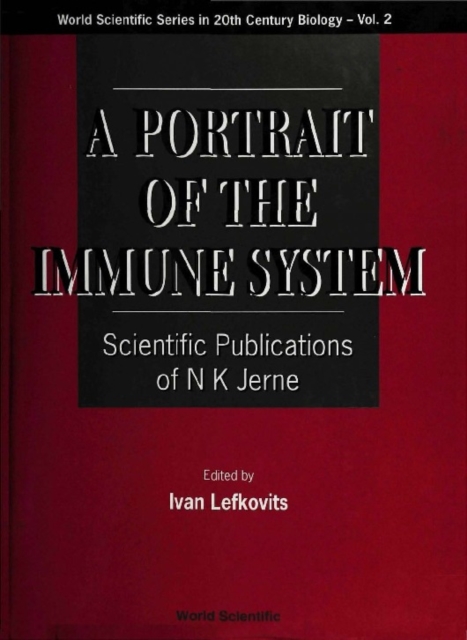
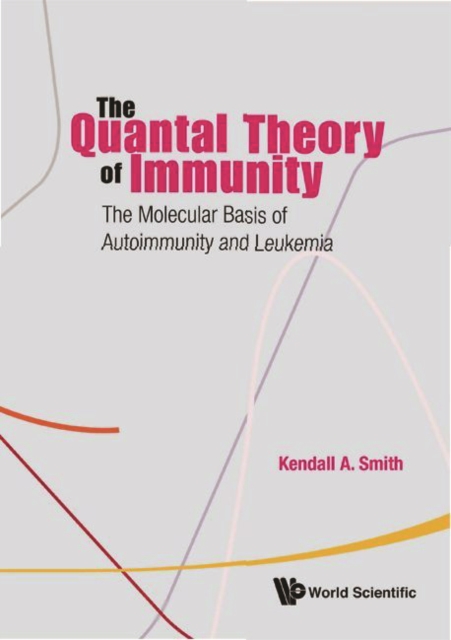
This book explains how the immune system functions, namely, how individual cells of the immune system make the decision to respond or not to respond to foreign microbes and molecules, and how the critical molecules function to trigger the cellular reactions in an all-or-none (quantal) manner.