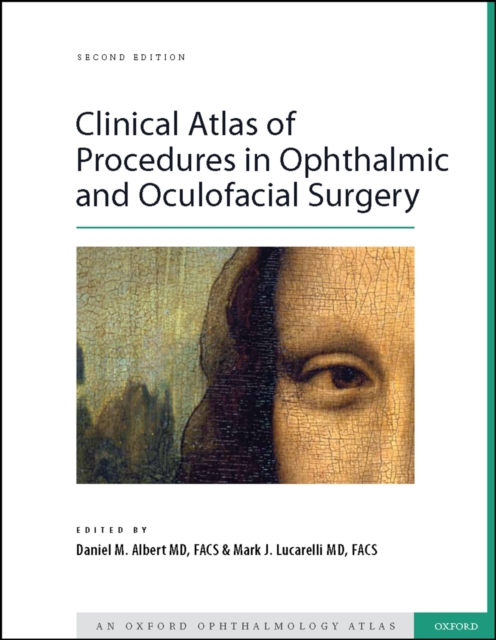
The second edition of Clinical Atlas of Procedures in Ophthalmic and Oculofacial Surgery provides an overview of a broad range of contemporary, well-established, and accepted ophthalmic surgical procedures with clear illustrations of surgical fundamentals that cover key intraoperative and postoperative points.
In a concise and contemporary new edition, the Oxford American Handbook of Ophthalmology offers highly practical yet evidence-based guidance on the diagnosis and management of ophthalmic disorders.
In a concise and contemporary new edition, the Oxford American Handbook of Ophthalmology offers highly practical yet evidence-based guidance on the diagnosis and management of ophthalmic disorders.
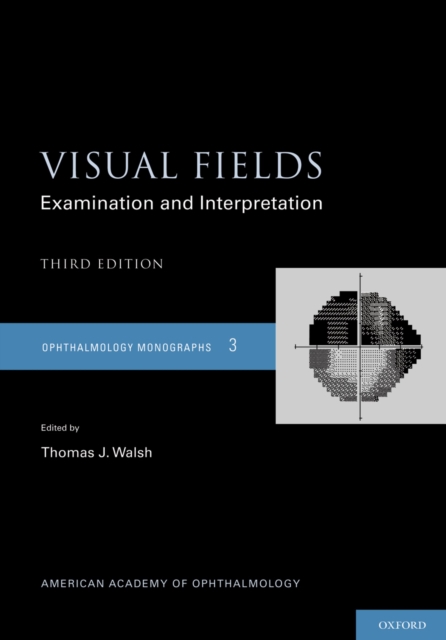
Visual Fields: Examination and Interpretation, 3rd edition contains revisions and updates of earlier material as well as a discussion of newer techniques for assessing visual field disorders.
This highly anticipated new edition brings together an expert group of authors to provide a comprehensive, systematic resource on genetic diseases of the eye.
This volume brings together work from leading researchers in the fields of developmental disorders of binocular vision, strabismus, and both infantile and acquired forms of nystagmus.
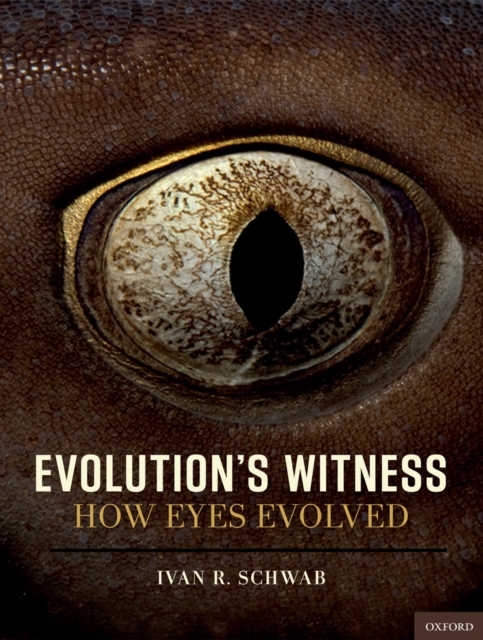
With predation and carnivory as catalysts, the first known eye appeared in a trilobite during the Cambrian explosion approximately 543 million years ago.
This is the story of a hugely successful and enjoyable 25-year collaboration between two scientists who set out to learn how the brain deals with the signals it receives from the two eyes.
This volume presents an integrated view of how we perceive the spatial relations in our visual world, covering anatomical, physiological, psychophysical, and perceptual aspects.
Diabetes mellitus is one of the leading causes of blindness worldwide, with diabetic retinopathy (DR) remaining the most common cause of eye disease for people with diabetes.
Diabetes mellitus is one of the leading causes of blindness worldwide, with diabetic retinopathy (DR) remaining the most common cause of eye disease for people with diabetes.
For over thirty years, the Oxford Handbook of Clinical Specialties has guided students and junior doctors through their clinical placements, renowned for providing all the information needed for both practice and revision in a deceptively small package.
The Oxford Handbook for the Foundation Programme returns in a new edition to keep junior doctors, as well as their supervisors and senior medical students, up-to-date and give them the information and confidence they need to excel during and beyond the Foundation Programme.
The Oxford Handbook for the Foundation Programme returns in a new edition to keep junior doctors, as well as their supervisors and senior medical students, up-to-date and give them the information and confidence they need to excel during and beyond the Foundation Programme.
A Dictionary of Ophthalmology includes 600 fully cross-referenced entries, describing terms related to ocular anatomy and physiology, the diseases of the eye and of the visual pathway, and medical and surgical treatment of the same.
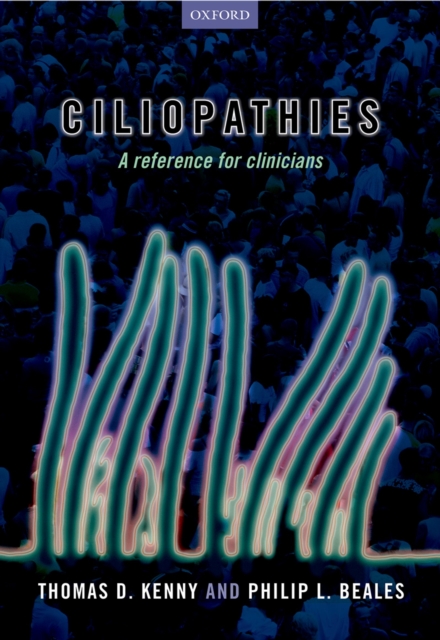
The ciliopathies are a group of rare diseases that often affect multiple systems within the body, and are caused by defects in the function or structure of cilia.
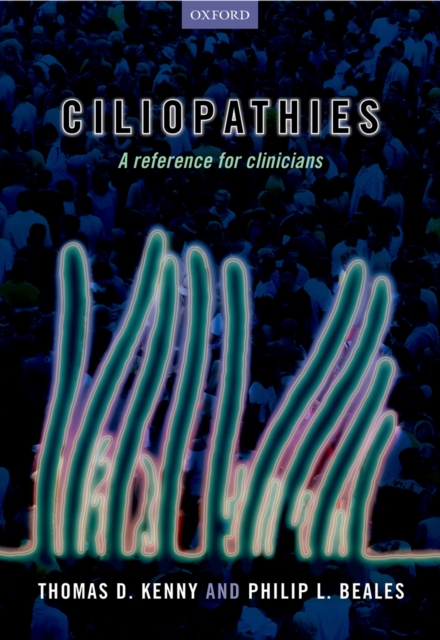
The ciliopathies are a group of rare diseases that often affect multiple systems within the body, and are caused by defects in the function or structure of cilia.
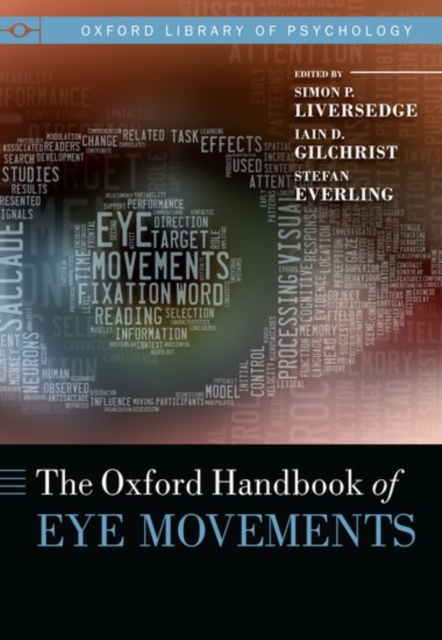
We make 3-5 eye movements per second, and these movements are crucial in helping us deal with the vast amounts of information we encounter in our everyday lives.
More than one third of the human brain is devoted to the processes of seeing - vision is after all the main way in which we gather information about the world.
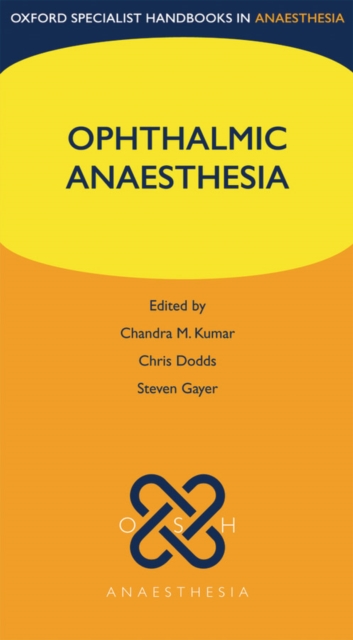
Ophthalmic anaesthesia is important for anaesthetists, ophthalmologists and those who are involved in the care of patients undergoing ophthalmic surgery.
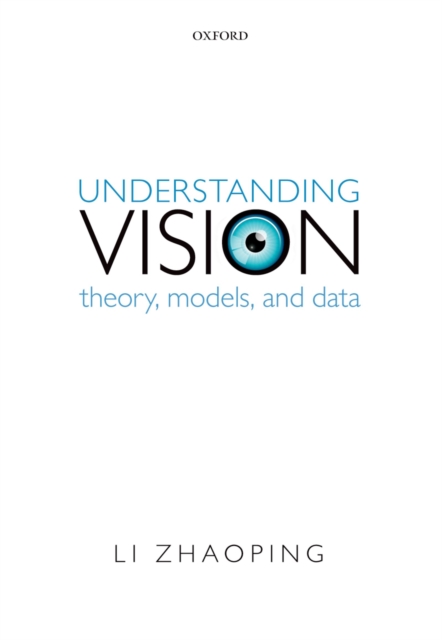
While the field of vision science has grown significantly in the past three decades, there have been few comprehensive books that showed readers how to adopt a computional approach to understanding visual perception, along with the underlying mechanisms in the brain.
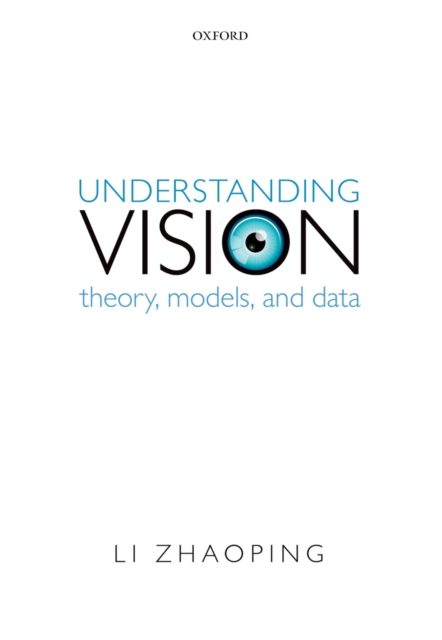
While the field of vision science has grown significantly in the past three decades, there have been few comprehensive books that showed readers how to adopt a computional approach to understanding visual perception, along with the underlying mechanisms in the brain.
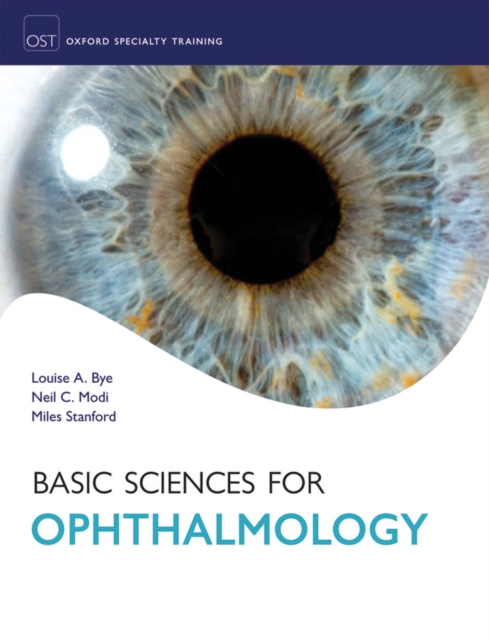
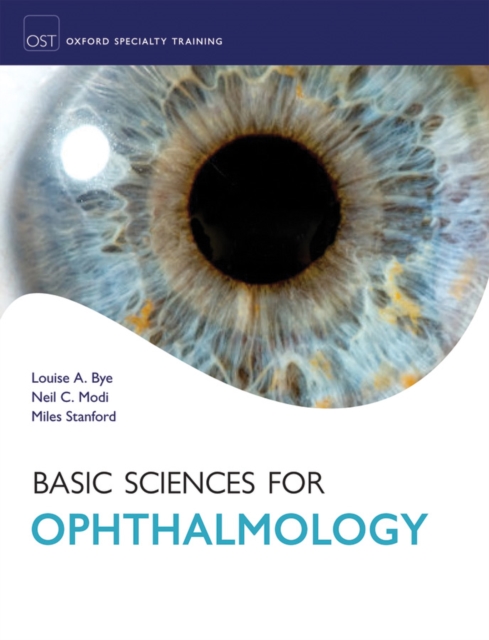
Part of the Oxford Specialty Training series, Basic Sciences for Ophthalmology is an indispensable and fully comprehensive textbook, and the only book candidates will need to pass the FRCOphth Part 1 exam.
Part of the Oxford Specialty Training series, Basic Sciences for Ophthalmology is an indispensable and fully comprehensive textbook, and the only book candidates will need to pass the FRCOphth Part 1 exam.