Pathology and Pathogenesis of Human Viral Disease is a comprehensive reference that examines virus-induced clinical disease of humans in the context of the responsible virus and its epidemiology.
Are infectious diseases caused by novel entities, viruses that have rapidly evolved into more pathogenic forms, or viruses that have crossed species divides and become more virulent in their alternative host?
Novel Anticancer Agents offers pertinent basic science information on strategies used for the rational design and discovery of novel anticancer agents, and, in addition, translational studies involving clinical trial design and execution with these novel, mostly cytostatic agents.
This comprehensive, authoritative treatise covers all aspects of mucosal vaccines including their development, mechanisms of action, molecular/cellular aspects, and practical applications.
This essential methods manual for immunohematologists (or hematologists and immunohematologists) provides information on genes that encode antigens on red blood cells, platelets and neutrophils.
Monoclonal Antibodies now have applications in virtually all areas of biology and medicine, and much of the world's biotechnology industry has its foundations in the exploitation of this technology.
This book and its companion, Volume I, concentrate on new procedures--especially those based on the new molecular methodology--developed within the past decade.
This book and its companion, Volume II, concentrate on new procedures--especially those based on the new molecular methodology--developed within the past decade.
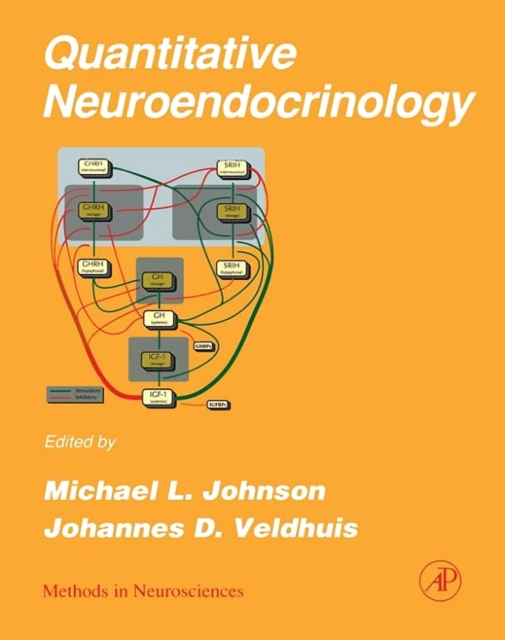
In this volume contemporary methods designed to provide insights into, mathematical structure for, and predictive inferences about neuroendocrine control mechanisms are presented.
Menopause: Biology and Pathobiology is a comprehensive volume covering all aspects of the biology, anatomy, physiology, pathobiology, and pharmacology of menopause, as well as its diagnosis and management.
Because of its marked capacity to regenerate and the ability of chemical carcinogens and viruses to ready transform hepatocytes, the liver has been used extensively as a model for investigating the molecular mechanisms of cellular proliferation and carcinogenesis.
The Leukemia-Lymphoma Cell Line Factsbook represents an essential reference manual for all of the well-characterized leukemia-lymphoma cell lines currently available.
Immunoregulation in Health and Disease, edited by Lukic, Colic, Mostarica-Stojkovic and Cuperlovic is a multi-authored volume covering the field of Immunoregulation, and will be essential reading for all researchers working in Immunology.
Free radicals have been implicated in a entire host of different human disease states, which suggests that although they may not have a pivotal causal role, they are involved in the perpetuation of disease.
The newly revised and updated Hormones, Second Edition provides a comprehensive treatment of human hormones, viewed in light of modern theories of hormone action and in the context of current understanding of subcellular and cellular architecture and classical organ physiology.
Those entering the field of transplantation are frequently unaware of the topics historical roots and even of the background on which modern discoveries in tolerance, histocompabatibility antigens, and xenotransplantation are based.
This unique book provides a comprehensive and comparative guide to the immune systems of major vertebrate species, including domestic and wild animals of veterinary or medical interest, fish and amphibia.
This volume combines the classical fields of perception research with the major theoretical attitudes of today's research, distinguishing between experience- versus performance-related approaches, transformational versus interactional approaches, and approaches that rely on the processing versus discovery of information.
Fertilization provides in-depth reviews of individual research topics, while emphasizing key concepts and the significance of findings within other fields.
Essentials of Mucosal Immunology presents basic concepts as well as new and exciting advances in mucosal immunology and inflammation, the development of mucosal vaccines, and the role of the immune system in mucosal disease.
Endocrine Methods contains descriptions of contemporary and cutting-edge methodologies in various areas of endocrinology, including receptor theory and immunologic techniques for endocrine research.
Emerging Infections is the first volume of the new Biomedical Research Reports Series, which will provide annual updates on hot topics of interest to a broad spectrum of the biomedical research community.
The Complement FactsBook contains entries on all components of the Complement System, including C1q and Lectins, C3 Family, Serine Proteases, Serum Regulators of Complement Activation, Cell Surface Proteins, and Terminal Pathway Proteins.
From small beginnings in the early 1970s, the study of complement regulatory proteins has grown in the last decade to the point where it dominates the complement field.
This volume, the first of its kind ever, is designed to provide both laypersons and professionals with a detailed description of the occurrence of each common form of cancer in the ethnically, socially, and environmentally complex milieu of a modern urban complex.
Of the two disciplines in parallel development for two decades, tumor immunology and transplantation immunology, the latter has thrived and has led to some of the most critical discoveries in immunobiology.
The only comprehensive work to cover all aspects of diuretic agents, the book discusses the pharmacology and toxicology of diuretic agents as well as the physiological effects.
This book is a direct result of 10 years of the well-known "e;Autoimmunity Days"e; in Israel, which are increasingly becoming an international focal point for autoimmunity scientists.
Completely revised and expanded, this second edition of The Cytokine FactsBook is the most up-to-date reference manual available for all current well-characterized interleukins, cytokines, and their receptors.
Bioconjugate Techniques is the essential guide to the modification and crosslinking of biomolecules for use in research, diagnostics, and therapeutics.