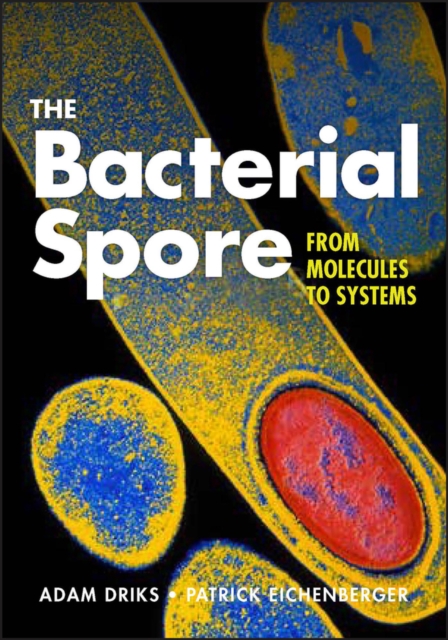
The study of bacterial spores spans biosecurity to ecology The first articles describing the sporulation process were published by Robert Koch and Ferdinand Cohn in the late 19th century.
THE authoritative guide for clinical laboratory immunology For over 40 years the Manual of Molecular and Clinical Laboratory Immunology has served as the premier guide for the clinical immunology laboratory.
A look at the amazing, groovy world of microbes With more than 1,000 posts and 2 million views, the esteemed blog Small Things Considered has been sparking the imagination of microbiologists for an entire decade.
The single most comprehensive resource for environmental microbiology Environmental microbiology, the study of the roles that microbes play in all planetary environments, is one of the most important areas of scientific research.
Essential resource for the fight against emerging infectious diseases Incidences such as the 2014 Ebola epidemic in West Africa and the 2015 appearance of Zika in Brazil provide dramatic evidence of the continued ability of microbes to emerge, spread, adapt, and threaten global health.
Ground-breaking overview of an enduring topic Despite the use of antibiotics, bacterial diseases continue to be a critical issue in public health, and bacterial pathogenesis remains a tantalizing problem for research microbiologists.
The definitive clinical virology resource for physicians and clinical laboratory virologists The clinical virology field is rapidly evolving and, as a result, physicians and clinical laboratory virologists must have a reliable reference tool to aid in their ability to identify and diagnose viral infections to prevent future outbreaks.
Only recently was it determined that two of the world's most devastating plagues, the plague of Justinian and the medieval Black Death, were caused by distinct strains of the same pathogen.
A comprehensive overview of clinically important infections of the urinary tract Urinary tract infections (UTIs) continue to rank among the most common infectious diseases of humans, despite remarkable progress in the ability to detect and treat them.
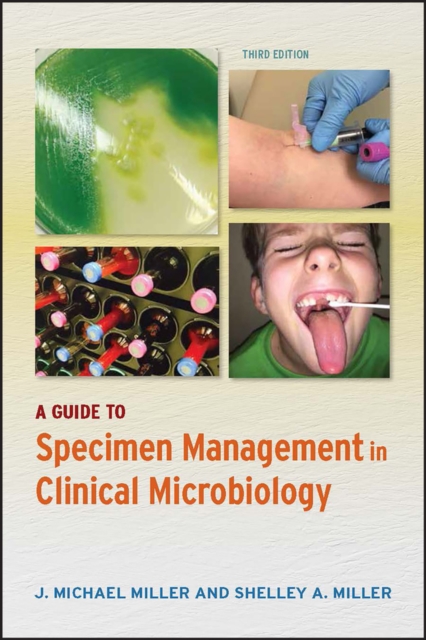
A Guide to Specimen Management in Clinical Microbiology is the classic reference that addresses and meets the needs of everyone in the "e;total testing process"e; circle.
Quick reference to clinical microbiology If you work in the clinical laboratory, this pocket guide will help you confidently identify most organisms you could encounter.
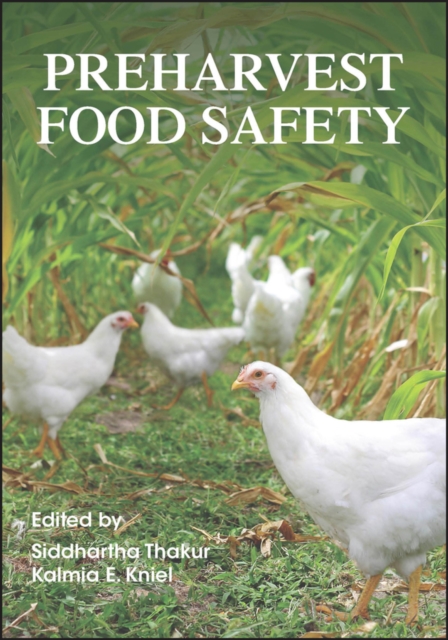
An overview of farm-to-fork safety in the preharvest realm Foodborne outbreaks continue to take lives and harm economies, making controlling the entry of pathogens into the food supply a priority.
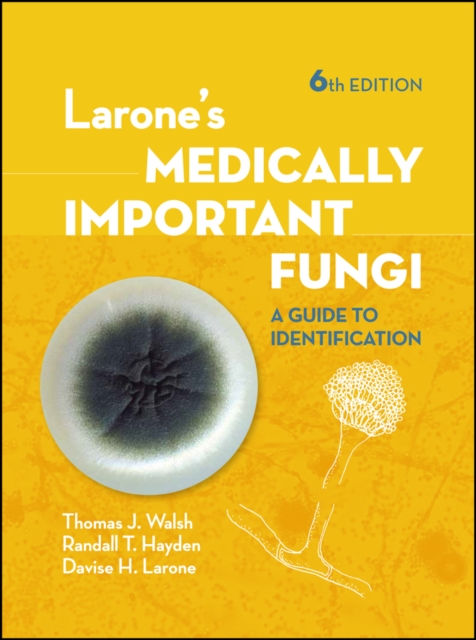
The definitive guide for identifying fungi from clinical specimens Medically Important Fungi will expand your knowledge and support your work by: Providing detailed descriptions of the major mycoses as viewed in patients' specimens by direct microscopic examination of stained slides Offering a logical step-by-step process for identification of cultured organisms, utilizing detailed descriptions, images, pointers on organisms' similarities and distinctions, and selected references for further information Covering nearly 150 of the fungi most commonly encountered in the clinical mycology laboratory Presenting details on each organism's pathogenicity, growth characteristics, relevant biochemical reactions, and microscopic morphology, illustrated with photomicrographs, Dr.
TUBERCULOSIS AND NONTUBERCULOUS MYCOBACTERIAL INFECTIONS TUBERCULOSIS AND NONTUBERCULOUS MYCOBACTERIAL INFECTIONS SEVENTH EDITION Complete coverage of every aspect of tuberculosis and related mycobacterial infections Tuberculosis appears to be as old as humanity itself.
Examining the enormous potential of microbiome manipulation to improve health Associations between the composition of the intestinal microbiome and many human diseases, including inflammatory bowel disease, cardiovascular disease, metabolic disorders, and cancer, have been elegantly described in the past decade.
Revealing the many roles of RNA in regulating gene expression For decades after the discoveries of messenger RNA, transfer RNA, and ribosomal RNA, it was largely assumed that the role of RNA in the cell was limited to shuttling the genomic message, chaperoning amino acids, and toiling in the ribosomes.
The explosion in clinical testing has been especially rapid in virology, where emerging viruses and growing numbers of viral infections are driving advances.
Microbial transmission, the processes by which microbes transit to new environments, is a significant and broad-reaching concept with applications throughout the biological sciences.
Since its introduction in 1997, the purpose of Food Microbiology: Fundamentals and Frontiers has been to serve as an advanced reference that explores the breadth and depth of food microbiology.
This highly anticipated update of the acclaimed textbook draws on the latest research to give students the knowledge and tools to explore the mechanisms by which bacterial pathogens cause infections in humans and animals.
Gram-positive bacteria, lacking an outer membrane and related secretory systems and having a thick peptidoglycan, have developed novel approaches to pathogenesis by acquiring (among others) a unique family of surface proteins, toxins, enzymes, and prophages.
Protein transport into and across membranes is a fundamental process in bacteria that touches upon and unites many areas of microbiology, including bacterial cell physiology, adhesion and motility, nutrient scavenging, intrabacterial signaling and social behavior, toxin deployment, interbacterial antagonism and collaboration, host invasion and disruption, and immune evasion.
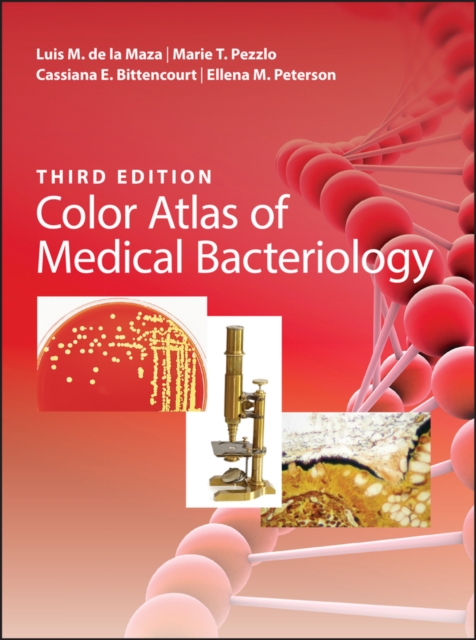
This unique visual reference presents more than 750 brilliant, four-color images of bacterial isolates commonly encountered in diagnostic microbiology and the methods used to identify them, including microscopic and phenotypic characteristics, colony morphology, and biochemical properties.
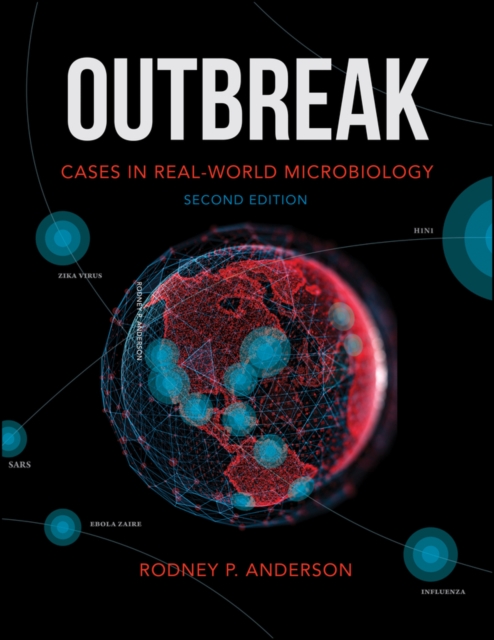
Outbreak: Cases in Real-World Microbiology, 2nd Edition, is the newest edition of this fascinating textbook designed for introductory microbiology students and instructors.
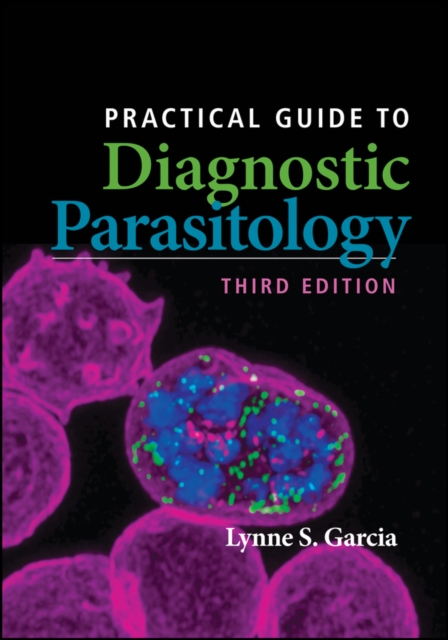
In the 21st century the field of diagnostic medical parasitology continues to see dramatic changes, including newly recognized pathogens and the changing endemicity and classification of familiar organisms; neglected tropical diseases and the impact of global climate change; and new methodologies and risk management issues.
This unique visual reference presents more than 750 brilliant, four-color images of bacterial isolates commonly encountered in diagnostic microbiology and the methods used to identify them, including microscopic and phenotypic characteristics, colony morphology, and biochemical properties.
Protein transport into and across membranes is a fundamental process in bacteria that touches upon and unites many areas of microbiology, including bacterial cell physiology, adhesion and motility, nutrient scavenging, intrabacterial signaling and social behavior, toxin deployment, interbacterial antagonism and collaboration, host invasion and disruption, and immune evasion.
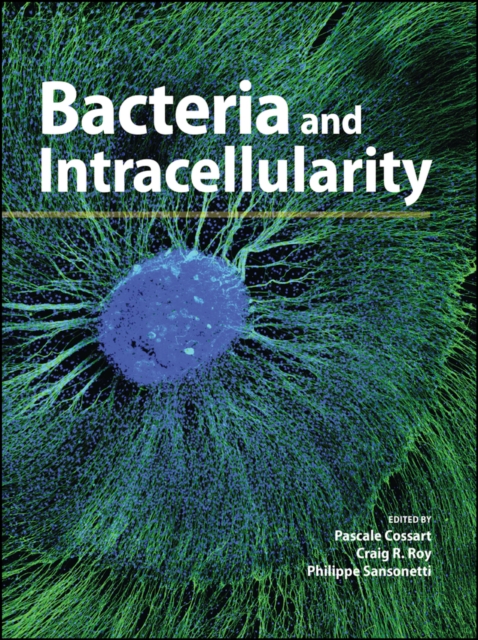
Bacteria and Intracellularity clearly demonstrates that cellular microbiology as a field has reached maturity, extending beyond the strictly cellular level to infections of various organs and tissues.
Revealing the many roles of RNA in regulating gene expression For decades after the discoveries of messenger RNA, transfer RNA, and ribosomal RNA, it was largely assumed that the role of RNA in the cell was limited to shuttling the genomic message, chaperoning amino acids, and toiling in the ribosomes.
Gram-positive bacteria, lacking an outer membrane and related secretory systems and having a thick peptidoglycan, have developed novel approaches to pathogenesis by acquiring (among others) a unique family of surface proteins, toxins, enzymes, and prophages.
Quick reference to clinical microbiology If you work in the clinical laboratory, this pocket guide will help you confidently identify most organisms you could encounter.
Puesta al día en medicina interna comprende una serie de textos monográficos escritos por destacados especialistas que no sólo presentan una revisión exhaustiva de cada tema, sino que también transmiten la experiencia acumulada en su ver, leer y hacer cotidiano.
A guide to accurate, individualized blood test analysis for improving personal health and avoiding disease *; Explains the differences between conventional lab reference ranges for blood tests and functional analysis and why the difference is important to your health *; Reveals what healthy blood should look like and the critical markers that signal the very beginnings of a health problem, including thyroid dysfunction and inflammation *; Provides recommendations for bringing blood markers back to an optimal healthy range through diet and supplementation Your blood holds the clues you need to maintain vibrant health.
*; Examines the many functions of your intestinal flora and their role in a healthy immune system, including their anti-inflammatory effects *; Explores the major causes of weakened flora, especially the overuse of antibiotics and the overconsumption of refined, low-fiber foods in the modern diet *; Details how to restore your flora after taking antibiotics and how to strengthen your flora with prebiotics, probiotics, and simple changes in eating and drinking habits Our intestinal flora perform a large number of duties--far more than just aiding digestion.