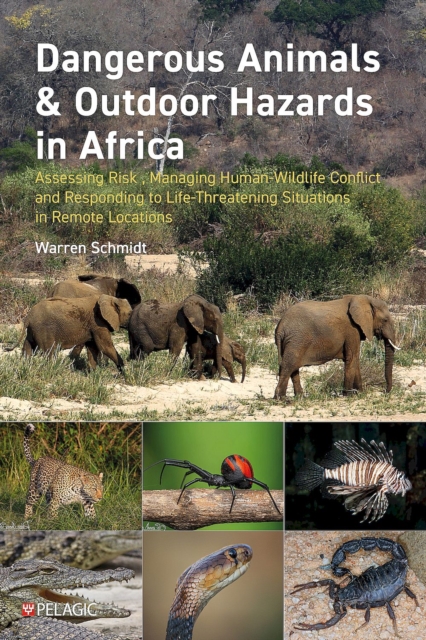
Dangerous Animals & Outdoor Hazards in Africa is a comprehensive guide to managing human-wildlife conflict and avoiding dangerous situations in remote areas.
Ordinary and Presumptive Trauma offers a sociopolitical account of trauma grounded in the lived experiences of oppressed and socially disadvantaged peoples.
Outdoor work for environmental professionals in ecological, engineering, or resource management settings frequently brings workers into contact with arthropods.
50 Studies Every Neonatologist Should Know presents a selection of seminal trials in neonatology, including both cornerstones of practice and frontiers in trial design.
50 Studies Every Neonatologist Should Know presents a selection of seminal trials in neonatology, including both cornerstones of practice and frontiers in trial design.
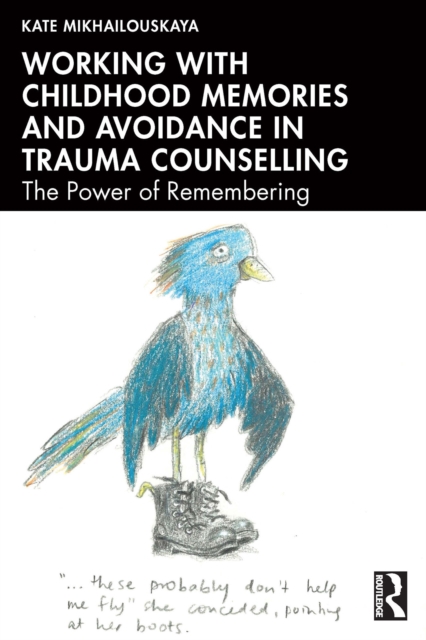
Advocating for the active exploration of childhood memories and the natural avoidance that accompanies them, this book provides a clear entryway into complex and childhood trauma work, particularly in cases where tangled histories and overwhelming symptoms make it challenging for both counsellor and client to prioritize focus areas.
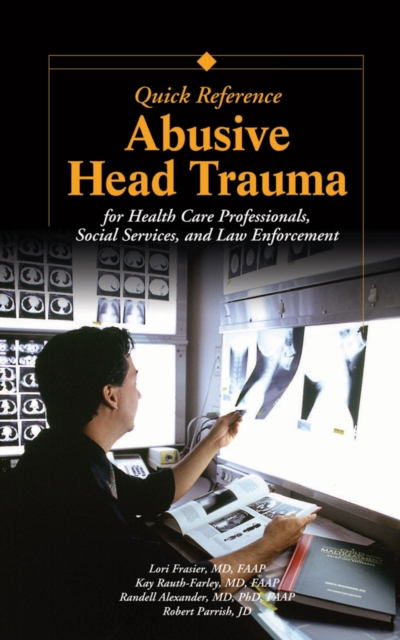
355 pages, 139 images, 32 contributors Abusive Head Trauma Quick Reference is an ideal resource for any professional active in the fields of medicine, social services, education, law enforcement, or legal prosecution.
Delivering Emergency Medicine involves constant challenges to the emergency clinician, seen inthe frequency of severely unwell patients, the wide breadth of conditions encountered, and the urgency required in diagnosis and treatment.
Delivering Emergency Medicine involves constant challenges to the emergency clinician, seen inthe frequency of severely unwell patients, the wide breadth of conditions encountered, and the urgency required in diagnosis and treatment.
Written for residents and practicing community emergency physicians, this volume on critical care emergencies in the What Do I Do Now: Emergency Medicine series uses a case-based approach to cover both common and unique scenarios in critical care emergencies.
Written for residents and practicing community emergency physicians, this volume on critical care emergencies in the What Do I Do Now: Emergency Medicine series uses a case-based approach to cover both common and unique scenarios in critical care emergencies.
Adolescent and Adult Sexual Assault Assessment, Second Edition allows readers will have the opportunity to analyze 15 case histories of sexual assault and accompanying photographs of the patients’ physical examinations.
This book presents to all those who are interested in the history of Anaesthesiology historical details and information on the development of anaesthesiology in Germany and the remarkable growth of our Society.
Hans von Holst Royal Institute of Technology, WHO Collaborating Center, Sweden Ake Nygren Karolinska Institute, WHO Collaborating Center, Sweden Ake E.
355 pages, 139 images, 32 contributors Abusive Head Trauma Quick Reference is an ideal resource for any professional active in the fields of medicine, social services, education, law enforcement, or legal prosecution.
198 pages, 601 images, 9 contributorsSkin injuries are among the most common, and, certainly, the most visible, symptoms of physical abuse in children.
184 pages, 60 images, 21 contributorsThis pocket-sized reference serves as a valuable reference for medical and legal investigations of possible cases of abusive head trauma to ensure that no possibility is ignored and that children receive appropriate care for their specific circumstance.
250 pages, 505 images, 12 contributorsIn the investigation of child abuse, consistent investigative protocol and clear, thorough documentation of facts and findings are essential to ensuring justice for victims, both for those who survive and for those who do not.
228 pages, 164 images, 28 contributorsThis complete overview of abusive head trauma includes the many different kinds of injuries that may result from abusive head trauma, including extracranial injuries and scalp trauma, intracranial injuries with and without associated bleeding, and fractures.
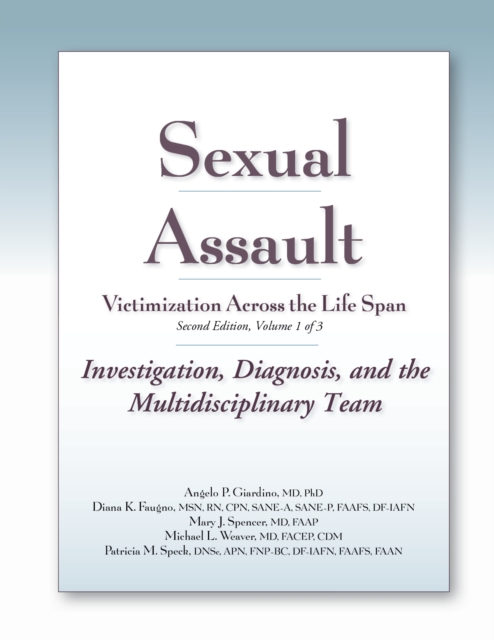
462 pages, 192 images, 38 contributors This first volume serves as a complete guide for multidisciplinary team members involved in the investigation of sexual assault.
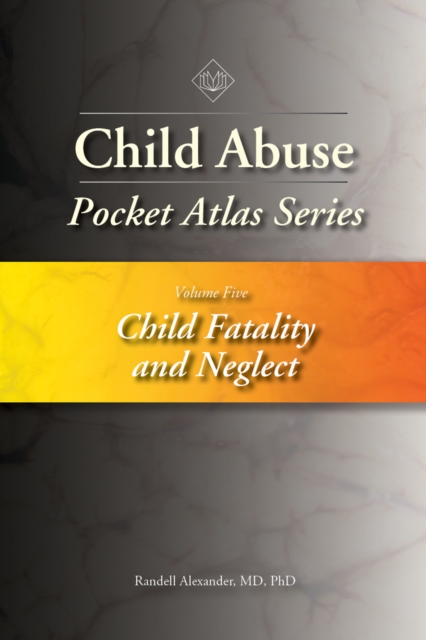
300 pages, 646 images, 11 contributorsThis new pocket atlas, part 5 of an ongoing series on child abuse, is designed specifically for professionals involved in the investigation of child death, both intentional and unintentional.
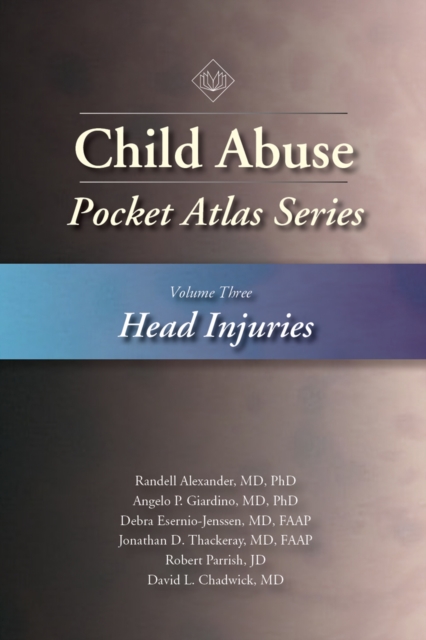
258 pages, 606 images, 28 contributorsOf the injuries inflicted on physically abused children, head injuries are, in many cases, among the most damaging and potentially lethal.
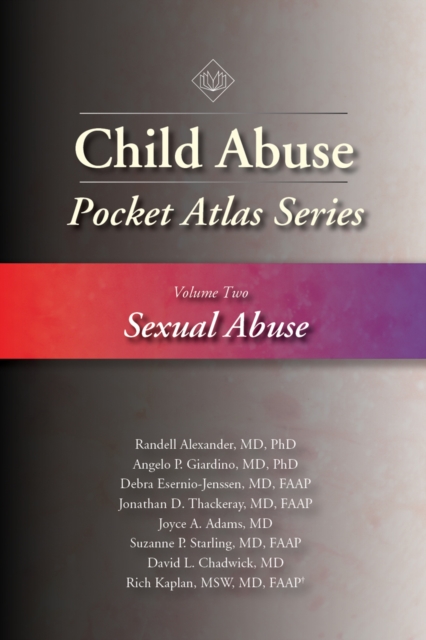
212 pages, 445 images, 11 contributorsSexual abuse of children is an especially delicate matter, and each reported case should be treated with exacting care.
24 pages, 4 images, 6 tablesChild Sexual Abuse: Entry-Level Training for the Mandated Reporter is designed with these goals in mind: to understand, effectively respond to, and assist in the prevention of child sexual abuse, however it manifests.
344 pages, 253 images, 26 contributorsThis second volume focuses on the particular needs of sexual assault survivors in various age groups, including chapters on child sexual abuse and sexual violence against adolescents, adults, and the elderly.
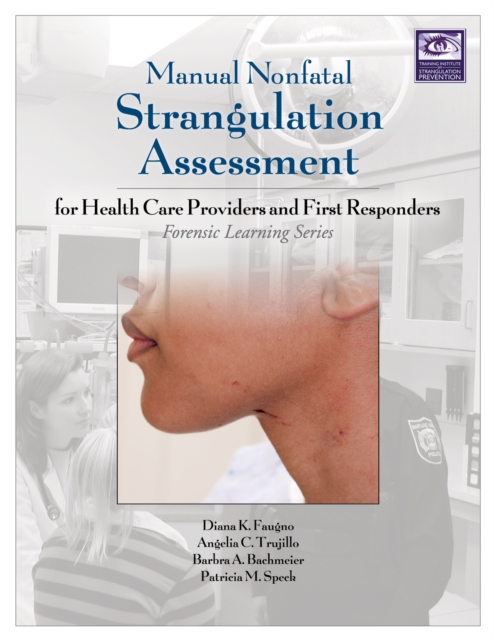
138 pages, 112 images, 15 contributors Manual Nonfatal Strangulation Assessment for Health Care Providers and First Responders is designed to standardize anatomic nomenclature, as it relates to the head and neck, for both new and experienced sexual assault nurse examiners (SANEs) and sexual assault forensic examiners (SAFEs), first responders, medical residents and physicians, nursing students, and nurse practitioners, including nurse midwives, women’s health nurse practitioners, pediatric nurse practitioners, and forensic nurse practitioners.
Dangerous Animals & Outdoor Hazards in Africa is a comprehensive guide to managing human-wildlife conflict and avoiding dangerous situations in remote areas.
300 pages, 646 images, 11 contributorsThis new pocket atlas, part 5 of an ongoing series on child abuse, is designed specifically for professionals involved in the investigation of child death, both intentional and unintentional.
462 pages, 192 images, 38 contributors This first volume serves as a complete guide for multidisciplinary team members involved in the investigation of sexual assault.
138 pages, 112 images, 15 contributors Manual Nonfatal Strangulation Assessment for Health Care Providers and First Responders is designed to standardize anatomic nomenclature, as it relates to the head and neck, for both new and experienced sexual assault nurse examiners (SANEs) and sexual assault forensic examiners (SAFEs), first responders, medical residents and physicians, nursing students, and nurse practitioners, including nurse midwives, women’s health nurse practitioners, pediatric nurse practitioners, and forensic nurse practitioners.
250 pages, 505 images, 12 contributorsIn the investigation of child abuse, consistent investigative protocol and clear, thorough documentation of facts and findings are essential to ensuring justice for victims, both for those who survive and for those who do not.
198 pages, 601 images, 9 contributorsSkin injuries are among the most common, and, certainly, the most visible, symptoms of physical abuse in children.
212 pages, 445 images, 11 contributorsSexual abuse of children is an especially delicate matter, and each reported case should be treated with exacting care.
258 pages, 606 images, 28 contributorsOf the injuries inflicted on physically abused children, head injuries are, in many cases, among the most damaging and potentially lethal.
228 pages, 164 images, 28 contributorsThis complete overview of abusive head trauma includes the many different kinds of injuries that may result from abusive head trauma, including extracranial injuries and scalp trauma, intracranial injuries with and without associated bleeding, and fractures.
184 pages, 60 images, 21 contributorsThis pocket-sized reference serves as a valuable reference for medical and legal investigations of possible cases of abusive head trauma to ensure that no possibility is ignored and that children receive appropriate care for their specific circumstance.
344 pages, 253 images, 26 contributorsThis second volume focuses on the particular needs of sexual assault survivors in various age groups, including chapters on child sexual abuse and sexual violence against adolescents, adults, and the elderly.
24 pages, 4 images, 6 tablesChild Sexual Abuse: Entry-Level Training for the Mandated Reporter is designed with these goals in mind: to understand, effectively respond to, and assist in the prevention of child sexual abuse, however it manifests.