This manual explains how to make the right decisions on the timing and selection of investigations and surgical procedures in emergency and urgent surgical settings and describes the most widely used procedures step by step with the aid of high-quality illustrations.
The present book is intended as a reference guide for emergency and ambulatory care medicine, providing essential information on the most important problems and incidents caused by venomous, poisoning and traumatic marine and freshwater animals.
This book explores the unique aspects involved in the management of ECMO patients such as physiopathology and indications, setting up the device, monitoring ECMO and the patient, troubleshooting, ethical aspects and rehabilitation.
This book offers a comprehensive, up-to-date overview of optimal postoperative care in patients who have undergone thoracic surgery and discusses challenging issues that are of interest not only in the context of thoracic surgery but also more generally within the fields of anesthesia, intensive care, and pain medicine.
This third edition text has been largely rewritten to include the many important advances that have been made and the controversies that have arisen in the past years.
This book discusses all important aspects of emergency medicine in older people, identifying the particular care needs of this population, which all too often remain unmet.
Comprised exclusively of clinical cases covering scaphoid fractures and nonunions, this concise, practical casebook will provide clinicians in orthopedic, plastic and hand surgery with the best real-world strategies to properly diagnose and treat the various forms of the condition they may encounter.
This book describes the state of the art concerning some of the most hotly debated topics in anesthesia and intensive care and is at the same time intended to serve as a useful practical guide that will assist in improving outcomes.
In this book, leading world authorities on brain edema and neurological disorders/injuries and experts in preconditioning join forces to discuss the latest progress in basic sciences, translational research, and clinical management strategies relating to these conditions.
This book is an up-to-date, comprehensive review of the neuropsychiatry of multiple sclerosis and related diseases, by active authorities in the field, with an emphasis on diagnosis and management.
This complete resource captures state-of-the-art strategies and the accelerated pace of discovery that is revolutionizing what is known about ischemic stroke and its treatment.
This book describes the techniques, strategies, and drugs that have been demonstrated by multicenter randomized trials to influence survival in critically ill patients, defined as those who have acute failure of at least one organ, due to either a pathological condition or a medical intervention, and require intensive care treatment.
This practical guide provides the reader with answers to important clinically relevant questions regarding the evaluation and management of acute kidney injury (AKI).
This is the first book exploring the unique dynamics created by a multidisciplinary trauma team and how crisis management strategies can improve teamwork and communication and, potentially, improve patient resuscitation outcomes.
Written by a pioneer in critical care ultrasound, this book discusses the basic technique and "e;signatures"e; of lung ultrasound and explains its main clinical applications.
This seventh book in the series of Success in Academic Surgery look to sustain the field and facilitate the next generation of leaders in Academic Global Surgery.
Edited and written by leading educators, this popular book for the anesthesiology rotation has been thoroughly updated and retains its distinctive case-based approach.
This book is the 4th in a series of Acute Care books written with the aim to address the NEEDS of health care providers when handling the acutely ill patients.
Patients with a range of medical conditions undergo surgeries of varying levels of risk, and the evolving field of consult medicine aims to address their needs, whether pre- or post-surgery.
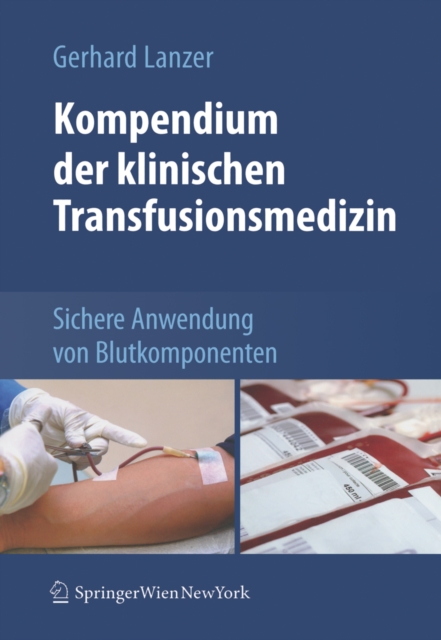
Due to a high incidence of anemia, critically ill patients are frequently transfused, with up to 40% of patients receiving a transfusion during their stay in the Intensive Care Unit.
Because of his international prominence, Professor Khan has been able to gather an enviable list of experts in the field to contribute their experience with airway management in a multitude of clinical settings.
This book provides a detailed and comprehensive overview of the role of diagnostic imaging in the assessment and management of trauma and polytrauma in children.
This book is exceptional in being devoted solely to vasovagal syncope (VVS), the most frequent cause of transient loss of consciousness in the general population.
Crib death or sudden infant death syndrome is the most frequent death-causing syndrome during the first year of life, striking one infant in every 700-1,000.
This book highlights the practical characteristics of uncommon diseases and presents the most relevant features for the management of intensive care units.
While many books are available on disaster medicine, none is specifically devoted to the role of physicians in the management of patients exposed to radiation leakage from a damaged nuclear power plant.
This book describes the techniques, strategies, and drugs that have been demonstrated by well-documented randomized trials to influence survival in the perioperative setting.
Zur Palliativmedizin gehört neben der sozialen, psychologischen und spirituellen Begleitung eine gute Schmerztherapie, die sich nach Art und Intensität der Schmerzen, sowie der unmittelbaren sozialen Umgebung der Patienten richtet.
86 short papers originating from the 13th International Symposium on Intracranial Pressure and Brain Monitoring held in July 2007 in San Francisco present experimental as well as clinical research data on invasive and non-invasive intracranial pressure and brain biochemistry monitoring.
Linderung von Beschwerden von Schwerkranken und Sterbenden sind zentrales Thema dieses Buches, wobei physische, psychische, seelische und soziale Aspekte integriert gesehen werden.