This book analyses the basic rationale of noninvasive respiratory management in upper airways medical and perioperative disorders and key interactions and clinical implications.
This book provides a comprehensive overview of deaths and injuries from residential fires as well as the most up to date information on evidence-based approaches to reduce this problem.
A very handy practical book written by French doctors specialised in disaster medicine, this guide offers their core experience condensed in 50 small, easily digestible chapters.
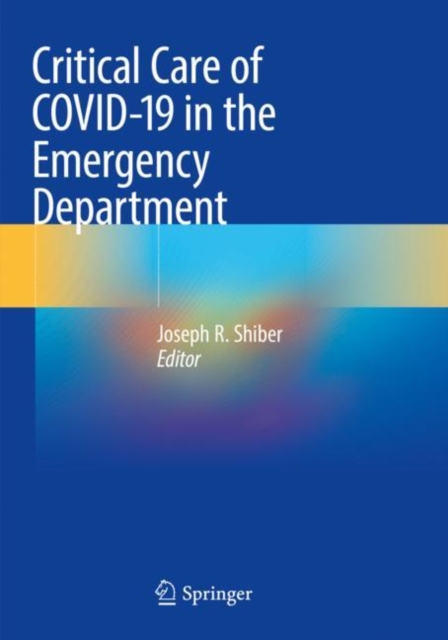
In dealing with the unprecedented COVID-19 pandemic, there are an increased number of patients requiring personalized management as the disease pathology varies.
This book, widely regarded as the standard work in the field, presents the state of the art in chest sonography, enhanced by a wealth of excellent illustrations.
This book provides a comprehensive overview of deaths and injuries from residential fires as well as the most up to date information on evidence-based approaches to reduce this problem.
This book provides an in-depth and complete guide explaining how to incorporate the strategic dialogue and strategic communication methods into the debriefing after the scenario, characteristics that make it unique.
The second edition of this book provides scientific and clinical insights on the management of patients who arrive at the hospital with a presentation consistent with a potential acute coronary syndrome.
This new edition presents an evidence-based review of extracorporeal membrane oxygenation (ECMO) for adults, with a particular focus on veno-venous (VV) ECMO.
A very handy practical book written by French doctors specialised in disaster medicine, this guide offers their core experience condensed in 50 small, easily digestible chapters.
The first edition of Infection Prevention reviewed evolving areas in infection prevention on topics including contact precautions, technology implementation, specific infections, and care in various settings.
In the USA, the COVID-19 crisis came as an unpleasant surprise and a shock to many healthcare systems and hospitals, especially in the crisis epicenter, New York City.
Published in the series Headache, endorsed by the European Headache Federation, this is the first book on the novel synthetic treatment of migraine with ditans (lasmiditan) and gepants (atogepant, ubrogepant, rimegepant, vazegepant).
This book, part of the European Society of Intensive Care Medicine (ESICM) textbook series, provides detailed up-to-date information on the care of the critical ill very old (=80 years) patients in the ICU.
Respiratory care is the largest overall component of neonatal intensive care, and the fifth edition of the Manual of Neonatal Respiratory Care is the leading bedside guide for all aspects of respiratory care in the neonatal intensive care unit.
This book on post-injury multiple organ failure (MOF) offers a comprehensive overview and clinically focused practical guide to treating the condition.
The Annual Update compiles reviews of the most recent developments in clinical intensive care and emergency medicine research and practice in one comprehensive book.
This book aims to give a comprehensive overview of the current challenges and solution posed to the health care professionals who need to use mechanical ventilation to treat their patients.
This comprehensive book addresses the acute emergencies in neuromuscular disease from a novel perspective, focusing on clinical management and treatment of these disorders rather than the more traditional neuropathology, neurogenetics, and neurophysiology approaches.
This book describes a fully integrated approach to the management of elderly patients who are at risk of or suffer trauma, drawing on up-to-date knowledge from multiple specialties in recognition of the fact that the number and severity of comorbidities in this population requires expertise in many fields.
This book analyzes the main topics of Palliative Care in Cardiac Intensive Care Units (CICU), from the changing epidemiology of patients admitted to the ICU, to the main clinical and ethical issues.
The concept for this book evolved over many years of intense clinical practice during which a wide variety of vascular complications were encountered as a result of other surgical or interventional procedures.
This book delineates that COVID-19 is a multisystem inflammatory disease and how its pathophysiology can predispose patients to an increased risk of neurological problems.
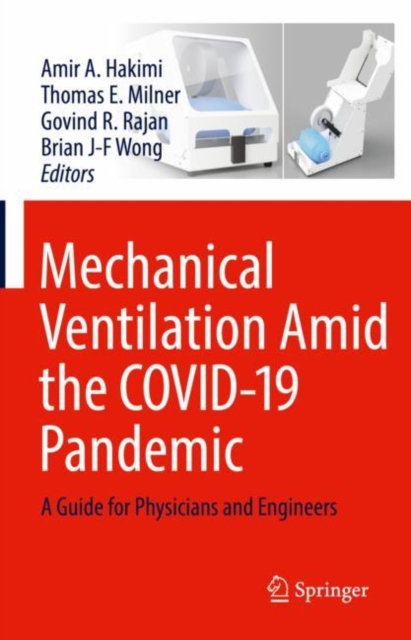
The surge in COVID-19 cases leading to hospitalizations around the world quickly depleted hospital resources and reserves, forcing physicians to make extremely difficult life-or-death decisions on ventilator allocation between patients.
This book covers the intersections between neurointervention and neurology, neurointervention and neurosurgery, and neurointervention and other specialties.