Bladder Pain Syndrome: A Guide for Clinicians provides a comprehensive update in the pathophysiology, epidemiology, terminology, evaluation and treatment of patients with pelvic pain perceived to be related to the urinary bladder.
Neurocritical care as a subspecialty has grown rapidly over the last two decades and has reached a level of distinct maturity with the advent of newer monitoring, diagnostic and therapeutic modalities in a variety of brain and spinal cord injury paradigms.
Based on a program of study developed at the Children's Hospital Boston, Department of Anesthesiology, Perioperative and Pain Medicine, Pediatric Anesthesiology Review: Clinical Cases for Self-Assessment provides essential medical information for the subspecialty of pediatric anesthesiology.
Principles and Practice of Anesthesia for Thoracic Surgery will serve as an updated comprehensive review covering not only the recent advances, but also topics that haven't been covered in previously published texts: extracorporeal ventilatory support, new advances in chest imaging modalities, lung isolation with a difficult airway, pulmonary thrombo-endarterectomy, and chronic post-thoracotomy pain.
David Turner examines commonly held beliefs about learning, knowledge and intelligence, and critically assesses claims that certain drugs can improve learning and memory.
Completely revised and updated, Nutrition Support for the Critically Ill Patient: A Guide to Practice, Second Edition presents an unbiased, evidence-based examination of critical nutrition across the life cycle.
One of the Most Rapidly Advancing Fields in Modern Neuroscience The success of molecular biology and the new tools derived from molecular genetics have revolutionized pain research and its translation to therapeutic effectiveness.
Whether initiated by injury or disease, induced and sustained by changes in the nervous system, or manifested by society and culture, chronic pain can change one's first-person experience of the body and the world, and ultimately impacts cognitions, emotions, and behavior.
One of the Most Rapidly Advancing Fields in Modern Neuroscience The success of molecular biology and the new tools derived from molecular genetics have revolutionized pain research and its translation to therapeutic effectiveness.
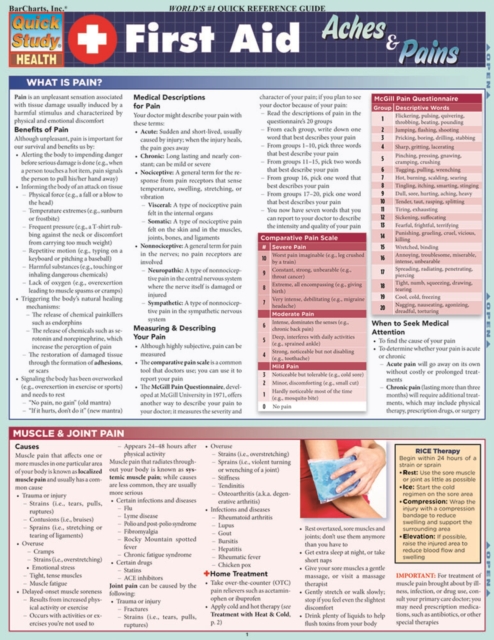
Instead of scouring the Internet for ways in which to treat nagging aches and pains, let our comprehensive, three-panel guide be your one-stop resource.
The only available resource to provide cutting-edge, in-depth coverage of the links between obesity and anesthesia in surgery, the reader-friendly Handbook of Perioperative Anesthesia: Complications and Challenges of the Obese Patient guides the practicing anesthesiologist through each stage of surgery for the obese patient.
Clinically oriented and evidence-based, Practical Guide to Chronic Pain Syndromes supplies pain specialists, neurologists, and anesthesiologists with the latest critical advances in pain management.
The first clinically focused text dedicated to the newly emerging area of pain medicine known as opioid-induced hyperalgesia (OIH), Opioid-Induced Hyperalgesia provides pain specialists, anesthesiologists, and neurologists with the most current, cutting-edge research and therapeutic options for treating OIH patients.
Chronic Pain Management: Guidelines for Multidisciplinary Program Development is the most comprehensive textbook to date on the multidisciplinary approach to chronic pain management.
Covering both the applications and the related theory, A Concise Guide to Intraoperative Monitoring provides a general but comprehensive introduction to IOM.
With malpractice insurance premiums on the rise, and insurance rates for the practicing anesthesiologist at an all time high, it is important, now more than ever, to have a single source reference related to both anesthesia and analgesia and how they both relate to dermatologic surgery.
An all-encompassing reference on the diagnosis and treatment of painful musculoskeletal conditions, this source examines the latest developments, therapies, and treatments for common and complex pain disorders affecting the spine, joints, neck, and related structures.
The only source to fully cover every aspect of brain embolism, this guide analyzes the causes, symptoms, diagnosis, and management of this disorder-providing a detailed overview of major topics pertinent to embolism including donor sources, recipient sites, embolic material, recipient brain supply arteries, vascular and brain pathology, and the tre
Specifically designed to address the needs of all specialists involved in the care of chronic pain patients, this source clarifies the ethical and legal issues associated with the diagnosis, assessment, and care of patients suffering from long-term pain.
Providing a general approach to the understanding and management of all forms of chronic pain, this book offers a clear and reader-friendly format that clarifies procedures in the diagnosis, assessment, and treatment of the most common chronic non-cancer pain entities.
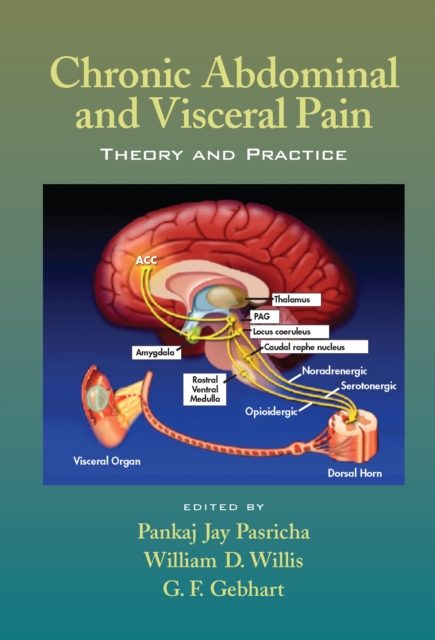
about the bookStanding alone as the first definitive and comprehensive book on the subject, this guide describes the most recent studies on the brain-gut connection and psychosocial issues related to patients experiencing visceral pain.