This atlas, in which a wealth of illustrations are supported by clear explanatory text, offers an up-to-date and comprehensive overview of the immediate restoration of teeth and immediate functional loading when using different implant systems and surfaces in patients with single tooth loss or partial or complete edentulism.
This book serves as an anatomic atlas of the nerves that innervate the joints of the human body in a format that also provides technical insight into pathways that both interventional pain management and surgical subspecialists can use to denervate those painful joints when traditional approaches to manage the pain are no longer successful.
This book describes the latest autologous fat transfer techniques used in connection with wrinkles, breast augmentation, breast reconstruction after ablation, middle face augmentation, scars, chronic wounds, gluteal augmentation and rejuvenation of the hand.
This book is an up-to-date, succinct, and easily accessible reference on the diverse anomalies that may arise in the developing dentition, including those relating to crown size and shape, tooth formation, tooth eruption, tooth number, and enamel and dentin formation.
This book is designed to serve as an up-to-date reference on the use of cone-beam computed tomography for the purpose of 3D imaging of the craniofacial complex.
This is a great place to start reading Paul Brunton's Notebooksan uplifting, enlightening survey of virtually every aspect of spiritual awakening and stage of practice.
This is a full-colour illustrative textbook written by highly experienced consultants from two different continents - Asia and Europe - which sets out to compare the two possibly dissimilar scenarios of maxillofacial trauma in relation to the epidemiology and aetiology of the two regions.
People who have a mild or moderate disability - whether physical, sensory, intellectual, mental, medical, emotional, or social in nature - can and should receive dental care in mainstream clinics and private practices.
In such a rapidly changing field, dental students and practitioners need up-to-date information on a wide range of restorative materials available for use in operative dentistry.
This book presents the basic principles underlying sound treatment planning for the young patient, whose early experiences can significantly affect future behavior and attitudes.
We work in a multicultural society and modern healthcare delivery demands that the religious, cultural and ethical beliefs of patients be considered as a part of their treatment.
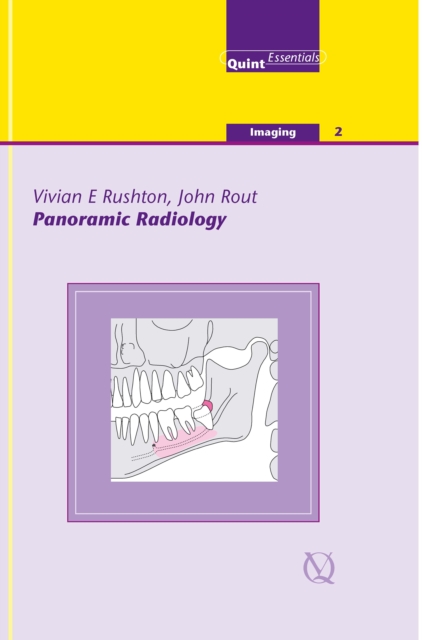
This book promotes a greater understanding of the principles of panoramic radiography by simplifying the complexities that often exist in larger texts.
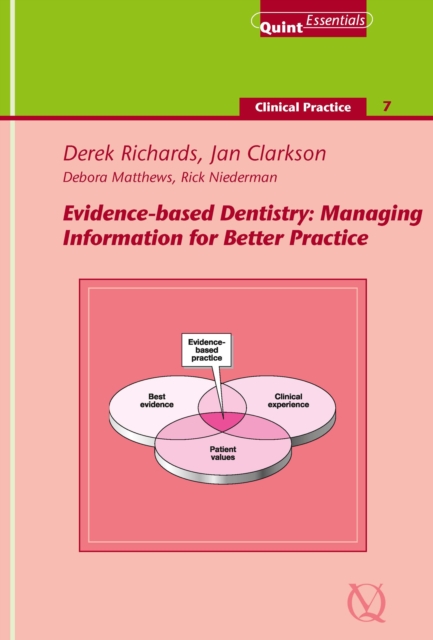
In the modern world, new information is constantly being produced that affects patient treatment, and clinicians need the skills to evaluate and apply pertinent information to their practice.
Periodontal Medicine is a sub-discipline of Periodontology which deals with non-plaque-induced conditions/lesions of the periodontal tissues, including the periodontal manifestations of systemic diseases and syndromes.
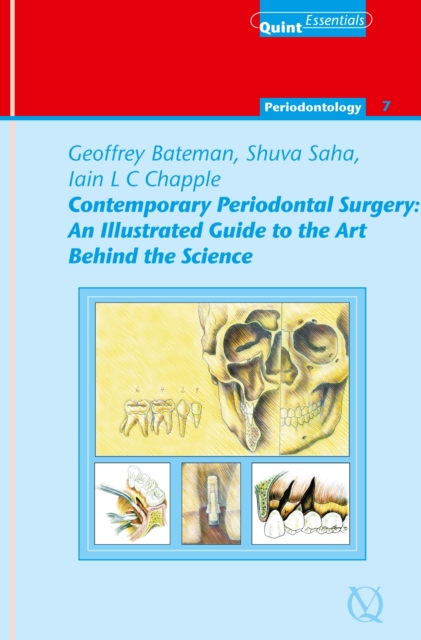
This book aims to provide an evidence-based and highly illustrative approach to a comprehensive repertoire of surgical procedures, including: basic principles, resective surgery, regenerative techniques and periodontal/peri-implant plastic surgery.
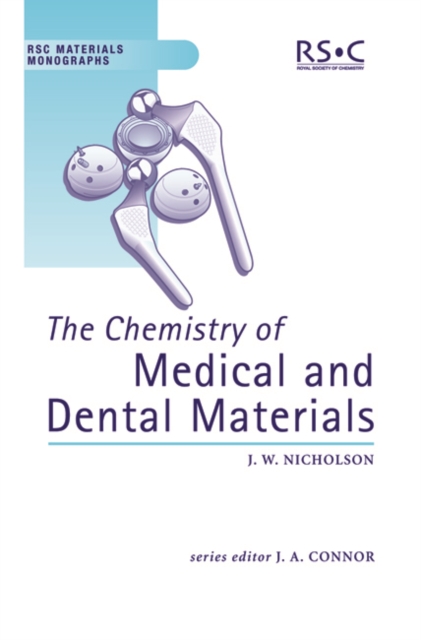
Implants into the human body, such as hip joints, heart valves and dental crowns, have been increasingly used over the last 40 years or so, and many patients have benefited from their use.
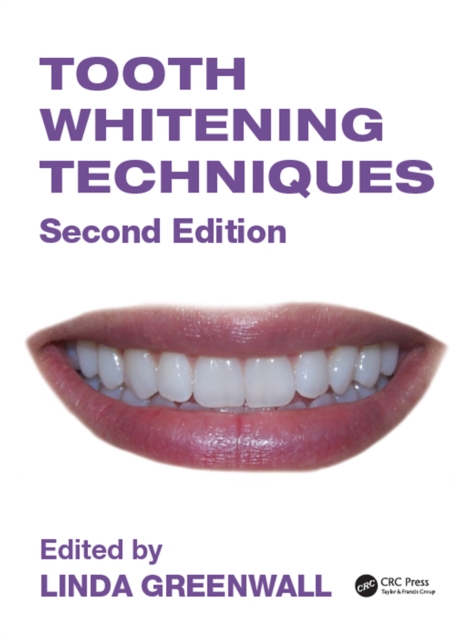
The field of tooth whitening has continued to develop as more and more dental practitioners have turned to cosmetic dentistry and associated aesthetic facial procedures.
One of the most comprehensive illustrated coverages available of the oral and maxillofacial manifestations of diseases has now been revised and further extended to include problems with newer classes of drugs and systemic diseases.
This comprehensive and visually engaging color atlas and manual serves as an invaluable resource for orthognathic and orthofacial surgeons seeking detailed information on the various aspects of minimally invasive (MI) orthognathic surgery.
Publisher's Note: Products purchased from Third Party sellers are not guaranteed by the publisher for quality, authenticity, or access to any online entitlements included with the product.
The second of a multi-volume set takes into account the deficit of experience and knowledge gained from 3D preoperative planning and postoperative control using new radiological protocols in surgical procedures, with corresponding consequences.
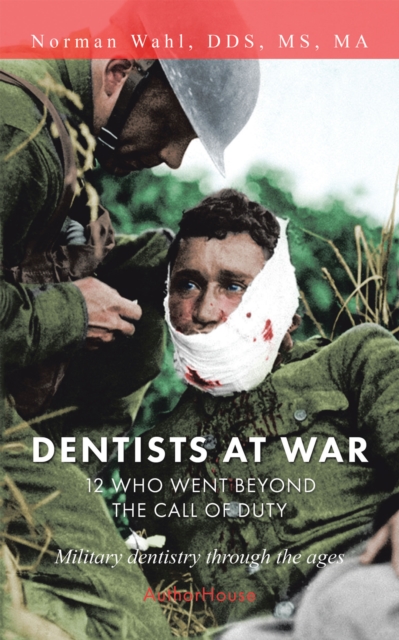
In Dentists at War-12 Who Went Beyond the Call of Duty, author Norman Wahl has attempted to show how the dentist, so often envisioned by the public as the staid, methodical "e;tooth carpenter,"e; is capable of heroic deeds when called upon to do so, especially during wartime.
A concise and informative book introducing a simple and unique cranial release technique that can be used to relieve head and neck pain, and to prevent cranial strains from developing after long dental appointments and especially after difficult oral surgery.
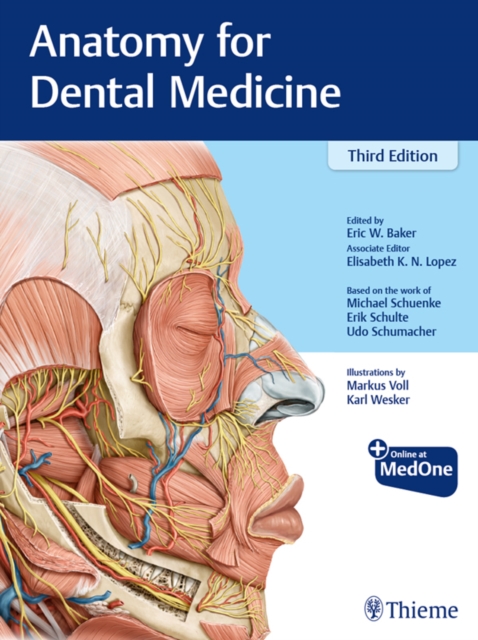
A visually-rich and clinically relevant anatomy resource for dental studentsAnatomy for Dental Medicine, Third Edition strikes an optimal balance between systemic and regional approaches to complex head and neck anatomy.
In a world full of changes and fear, Sonya Dunbar aims to bring hope and enlightenment to dental professionals and caregivers through humorous stories and relevant information.
Sedation is practiced in all areas of dentistry, and clinicians who want to offer sedation to their patients must have a thorough understanding of how to administer sedation safely and effectively.
More than 20 years after James Brudvik's clear and detailed textbook on RPDs, we're back with a brand-new edition featuring hundreds of new photographs and drawings to explain the intricacies of complex RPDs.
More than 20 years after James Brudvik's clear and detailed textbook on RPDs, we're back with a brand-new edition featuring hundreds of new photographs and drawings to explain the intricacies of complex RPDs.