This elaborately illustrated book takes a fresh look at alveolar bone reconstruction, positing that the vitality of the gingiva-alveolus-implant complex is more important than simple implant longevity.
This elaborately illustrated book takes a fresh look at alveolar bone reconstruction, positing that the vitality of the gingiva-alveolus-implant complex is more important than simple implant longevity.
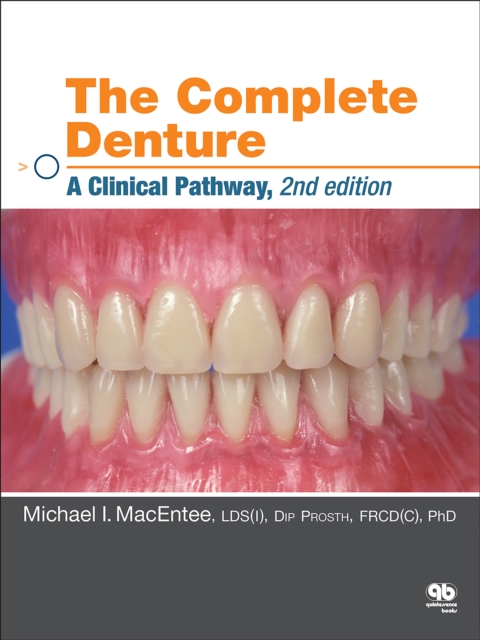
This completely updated step-by-step manual provides the knowledge and skill needed for clinicians to effectively rehabilitate patients who are completely edentulous.
The revised edition of this essential text presents a concise approach to the diagnosis and surgical treatment of dentofacial deformities encountered in clinical practice.
Although office-based anesthesia administration has been essential in the evolution of outpatient surgery, it is becoming more complex as people live longer and with more comorbid diseases.
Although office-based anesthesia administration has been essential in the evolution of outpatient surgery, it is becoming more complex as people live longer and with more comorbid diseases.
This exceptional new book is designed as a self-instruction guide to the diagnosis, management, and prevention of surgery-related complications in implant dentistry.
This exceptional new book is designed as a self-instruction guide to the diagnosis, management, and prevention of surgery-related complications in implant dentistry.
This comprehensive review manual provides all the information a prospective candidate needs to prepare for the American Board of Periodontology Qualifying Examination.
This comprehensive review manual provides all the information a prospective candidate needs to prepare for the American Board of Periodontology Qualifying Examination.
Incisal edge position is often considered the most important factor when treating complex restorative patients, yet the incisal edges can be in a perfect position and the final result can still fail due to unacceptable gingival levels.
Incisal edge position is often considered the most important factor when treating complex restorative patients, yet the incisal edges can be in a perfect position and the final result can still fail due to unacceptable gingival levels.
Although most orthodontic curricula provide courses on interdisciplinary orthodontic-periodontic treatment, there are still surprisingly few resources on the topic.
Although most orthodontic curricula provide courses on interdisciplinary orthodontic-periodontic treatment, there are still surprisingly few resources on the topic.
The facial skeleton is comprised of vertical and horizontal buttresses and the intersections they create; maxillofacial fractures occur when these buttresses sustain more force than they can withstand.
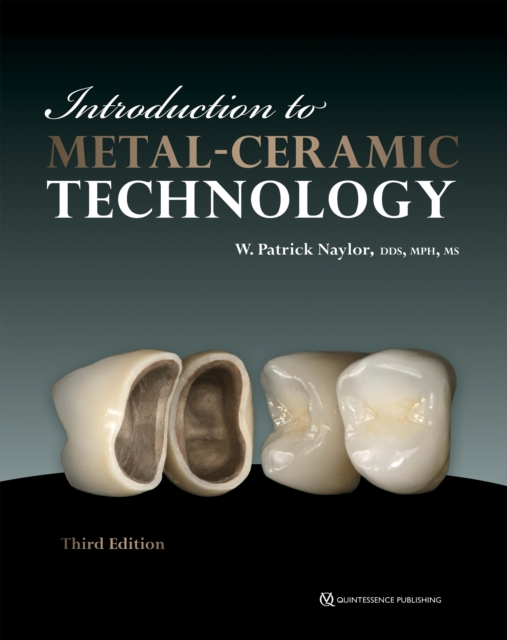
For 25 years, the Introduction to Metal-Ceramic Technology has been an essential textbook, and this revised edition underscores its import to the discipline.
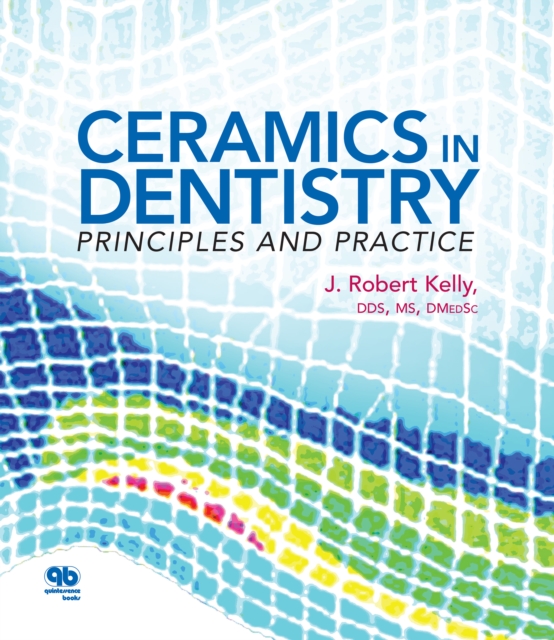
The use of ceramics in dentistry holds enormous potential for restoring dentitions, but ceramics can be difficult to master because of the common problems of chipping and fracture.
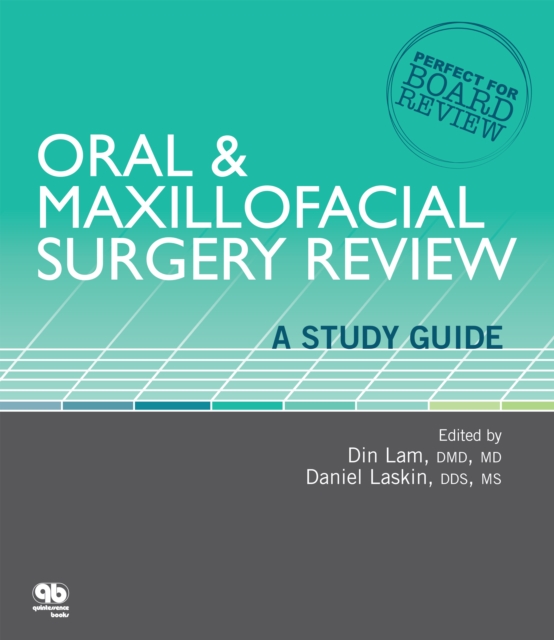
This comprehensive text, prepared by experts in their field, provides a quick and effective way for both residents and busy clinicians to review important information and published literature in dentoalveolar surgery and implantology, anesthesiology, medicine, pathology, orthognathic surgery, craniofacial and reconstructive surgery, cosmetic surgery, and TMJ disorders and facial pain, as well as to gain new knowledge in these areas.
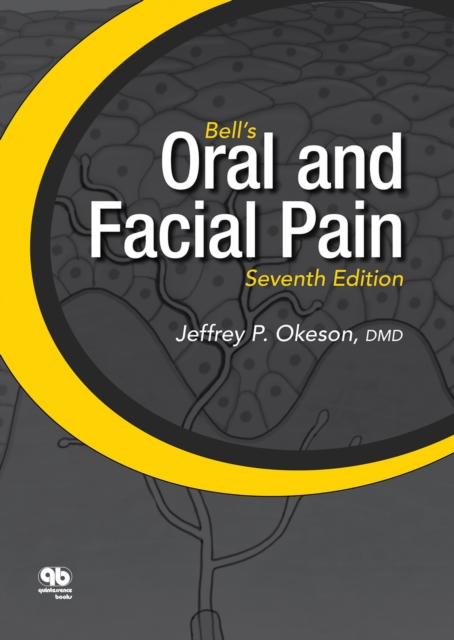
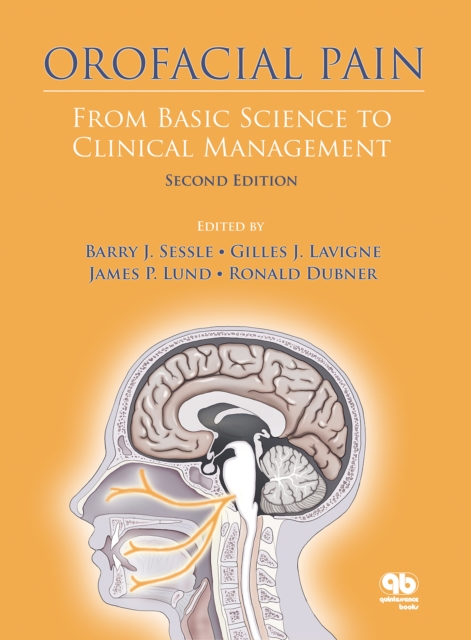
For many years, the study and treatment of orofacial pain have been considered as separate from the study and treatment of headaches, but the editors of this updated award-winning textbook take the philosophical stance that orofacial pain and headache must be considered together.
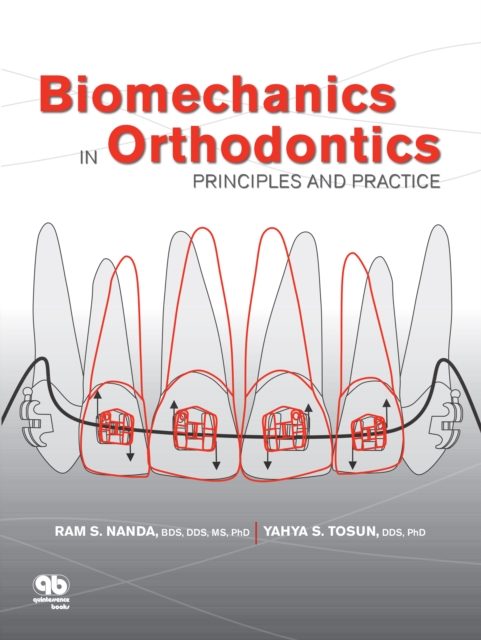
All orthodontic treatment modalities can be improved by the application of sound biomechanics, yet most orthodontic therapy today is delivered without consideration of forces or force systems.
This comprehensive text, prepared by experts in their field, provides a quick and effective way for both residents and busy clinicians to review important information and published literature in dentoalveolar surgery and implantology, anesthesiology, medicine, pathology, orthognathic surgery, craniofacial and reconstructive surgery, cosmetic surgery, and TMJ disorders and facial pain, as well as to gain new knowledge in these areas.
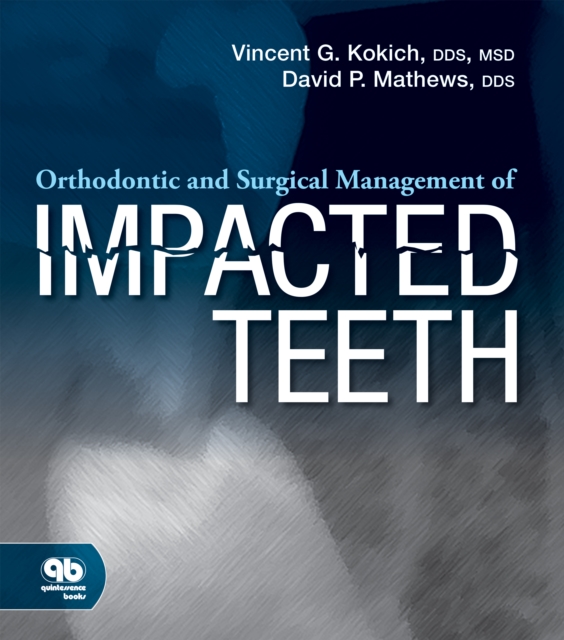
Impacted teeth are commonly encountered in dental practice, yet currently there is not a comprehensive book detailing the surgical treatments and orthodontic therapy to erupt or manage these teeth.
Pain, especially chronic pain, is a major health care problem, a fact that has precipitated a recent dramatic expansion in pain-related research efforts.
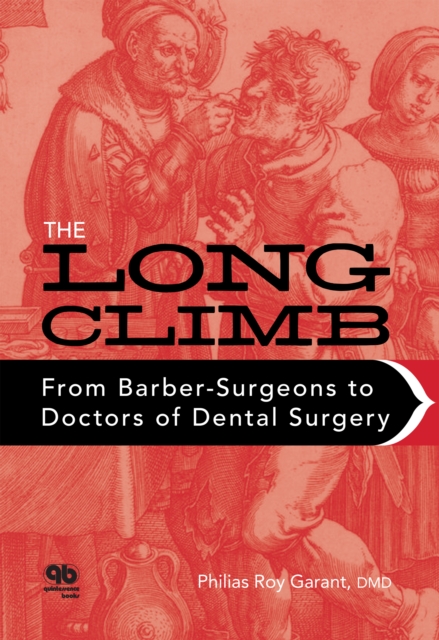
Unlike other books on the history of dentistry, The Long Climb: From Barber-Surgeons to Doctors of Dental Surgery outlines the personal struggles endured and victories achieved by the leading personalities of dentistry during its development from antiquity to the present.
This revised and expanded edition highlights the importance of understanding the biologic and psychologic pain mechanisms to prepare clinicians who treat patients presenting with a variety of pain symptoms.
This completely updated step-by-step manual provides the knowledge and skill needed for clinicians to effectively rehabilitate patients who are completely edentulous.
Correct application of the principles of biomechanics leads to highly efficient and successful orthodontic treatment; a lack of proper understanding produces ineffectual systems that may even lead to collateral tissue damage.
Despite the ever-expanding array of orthodontic journals and textbooks available today, too many clinical decisions are based on either anecdotal evidence or the espoused treatment philosophy of the current luminary of the lecture circuit.
Correct application of the principles of biomechanics leads to highly efficient and successful orthodontic treatment; a lack of proper understanding produces ineffectual systems that may even lead to collateral tissue damage.
The revised edition of this essential text presents a concise approach to the diagnosis and surgical treatment of dentofacial deformities encountered in clinical practice.
New and innovative biomaterials are being discovered or created in laboratories at an unprecedented rate, but many of them remain entirely foreign to practicing clinicians.
The facial skeleton is comprised of vertical and horizontal buttresses and the intersections they create; maxillofacial fractures occur when these buttresses sustain more force than they can withstand.
New and innovative biomaterials are being discovered or created in laboratories at an unprecedented rate, but many of them remain entirely foreign to practicing clinicians.
This book is a concise but comprehensive guide for understanding the basic principles of occlusion and esthetics that are necessary to perfect wax-ups on mounted casts.
Sedation is practiced in all areas of dentistry, and clinicians who want to offer sedation to their patients must have a thorough understanding of how to administer sedation safely and effectively.
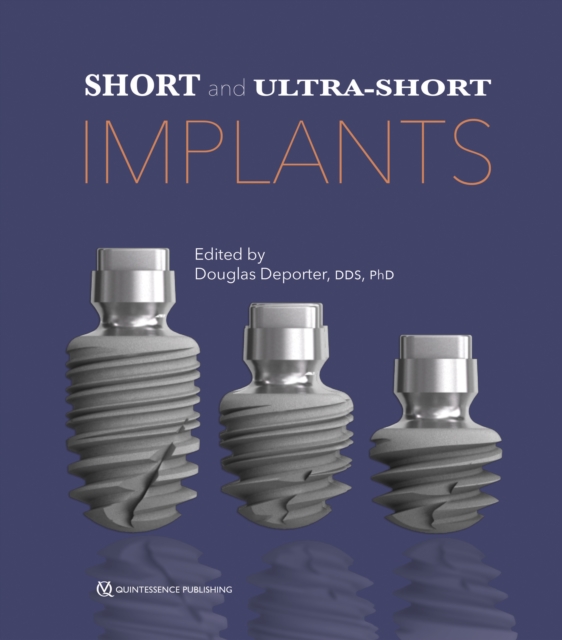
Research has shown that short implants are not only a viable option but oftentimes a superior one that carries fewer risks for the patient and dentist, especially in resorbed jaw sites.
Standing as the most comprehensive reference on oral cancer reconstruction, this handbook serves as an all-encompassing compendium of surgical and cosmetic strategies for the reconstruction of bone, muscles, nerves, arteries, and anatomical structures of the oral cavity- covering wounds extending from the lips to the pharynx with detailed illustrations depicting the exact techniques utilized for functional and cosmetic repair and optimization of quality of life.