Experten geben erstmals einen Überblick über die biowissenschaftlichen Grundlagen spurenkundlicher Arbeit sowie ihrer hauptsächlichen Tätigkeitsfelder.
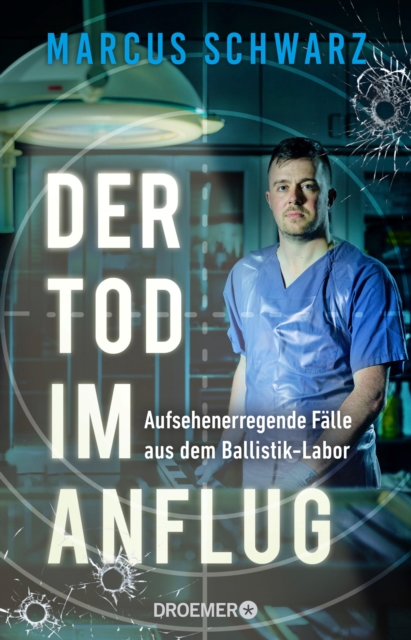
Von Kugeln und Killern – für True-Crime-Fans und die Leser von Michael TsokosSchusswunden, Schmauchspuren, Kalibermaße: Spannende True-Crime-Fälle aus dem Bereich der Wundballistik stehen im Mittelpunkt, wenn der gefragte Experte Dr.
This book offers a comprehensive overview of the forensic and radiological aspects of pathological findings, focusing on the most relevant medico-legal issues, such as virtual autopsy (virtopsy), anthropometric identification, post-mortem decomposition features and the latest radiological applications used in forensic investigations.
This book focuses on traumatic birth injuries, predominantly of the skull and brain, as well as hemorrhagic and ischemic disorders of cerebral circulation in fetuses and newborns, providing information on each condition's classification, incidence, etiology and pathogenesis, pathomorphology, clinic, diagnostics, prognosis, and complications.
This second edition, which combines the features of an atlas and a textbook, presents findings in forensic histology, immunohistochemistry, and cytology based on microscopic investigations using different stainings and different antibodies.
This richly illustrated two-volume book offers a comprehensive and essential reference guide for veterinary pathologists and clinical veterinarians interested in performing animal necropsies for forensic casework.
This richly illustrated two-volume book offers a comprehensive and essential reference guide for veterinary pathologists and clinical veterinarians interested in performing animal necropsies for forensic casework.
This book describes the state of the art and future prospects of the most important bio-medicolegal subdisciplines in the post-genomic framework of personalized medicine.
This book is specifically designed for new psychiatrists and all other medical professionals who lack the training necessary to confront the complicated legal and ethical issues that arise at the intersection of the mental health and judicial systems.
This book provides guidance to all professionals working with children who present with injuries, neglect, illness falsification and other forms of child abuse.
Vascular surgery has experienced remarkable growth and diversification in the last decade, especially with its embracing the disruptive endovascular technological revolution.
This volume serves to provide an international overview of personal injury compensation in different geographical areas (15 countries already included), with a special focus on the methods used to ascertain the injury and the related damages.
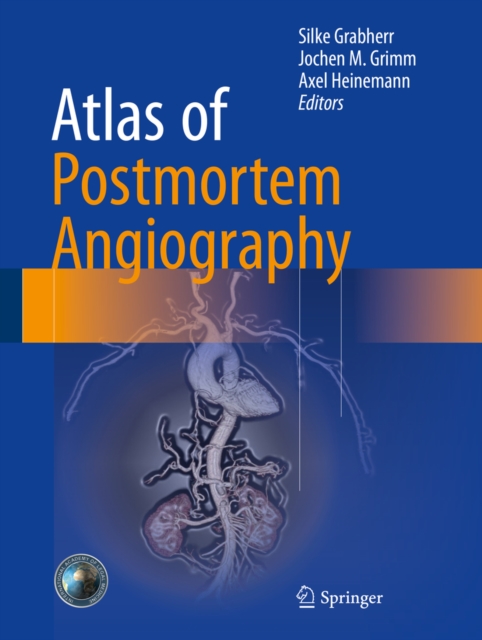
This atlas of postmortem angiography provides a summary of techniques that have been developed and used in order to visualize the human vascular system.
This book presents a comprehensive and state-of the-art approach to vascular disease for the geriatric patient, focusing on vascular pathology and interventions but also on perioperative care, anesthetic care, functional outcomes and quality of life, as well as ethical considerations that impact decision making.
The book is a comprehensive narration of the use of expertise in international criminal trials offering reflection on standards concerning the quality and presentation of expert evidence.
This book challenges the assumptions of modern criminal law that insanity is a natural, legally and medically defined phenomenon (covering a range of medical disorders).
Crib death or sudden infant death syndrome is the most frequent death-causing syndrome during the first year of life, striking one infant in every 700-1,000.
This book presents a comprehensive and state-of the-art approach to vascular disease for the geriatric patient, focusing on vascular pathology and interventions but also on perioperative care, anesthetic care, functional outcomes and quality of life, as well as ethical considerations that impact decision making.
This book is specifically designed for new psychiatrists and all other medical professionals who lack the training necessary to confront the complicated legal and ethical issues that arise at the intersection of the mental health and judicial systems.
This updated volume on clinical forensic medicine covers the topics required for forensic healthcare professionals working in general forensic medicine and sexual offence medicine.