Atlas of Conducted Electrical Weapon Wounds and Forensic Analysis provides a comprehensive publication on the subject of Conducted Electrical Weapon (CEW) wounds and signature markings created by this class of weapon.
This volume is a summary of a 1S-year effort to determine the effects of prison crowding and their relationship to the broader realm of crowding phenomena and theories.
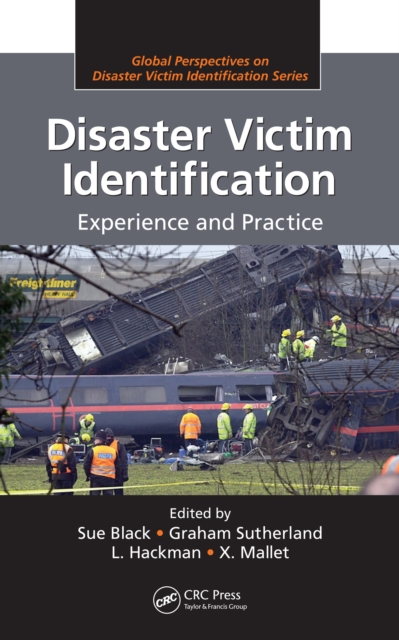
Disaster Victim Identification: A Manager's Guide to Policy and Procedure's guiding thesis explains why disaster victim identification (DVI) must be fundamentally integrated-at the outset-into general disaster planning and operations procedures.
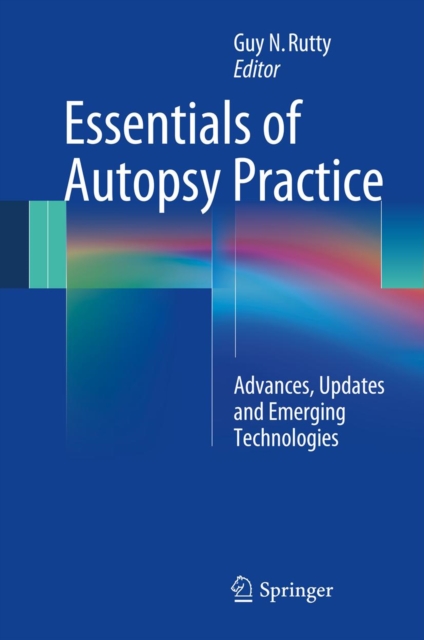
This book covers new and exciting topics which have emerged in the area of autopsy recently, including the three different post-mortem CT-angiography systems currently available to practitioners in this field; a highly topical chapter on the role of genetic abnormalities in the handling of drugs within the body and how this can affect the interpretation of toxicological results in relation to how the drug may have caused or contributed to death; an update on the current classification and considerations related to deaths due to hanging; a review of injuries and fatalities caused by animals including post-mortem scavenging; an authoritative review of poisons and toxins from water and the life that inhabits it; and recent advances in knowledge in the use of entomology as an investigative tool as well as knowledge related to colonisation of cadavers by insects, animals and birds.
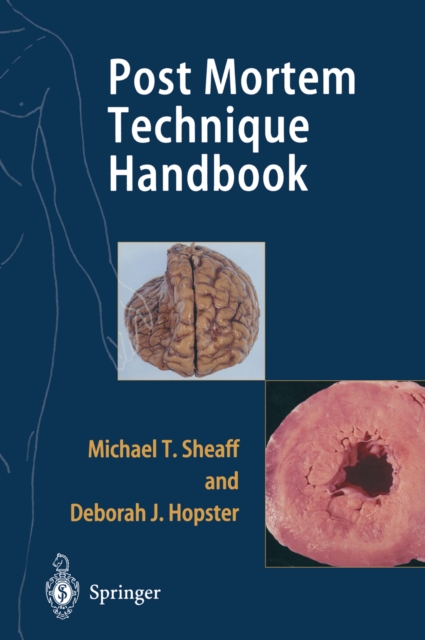
The relentless decline in the hospital based autopsy has been documented else- where in detail and has been generally deplored as a loss of an important method of "e;quality control"e; at a time when the practise of Medicine is closely scrutinised.
Now in full colour, this new and revised edition of The Hospital Autopsy presents a clear and systematic approach to safe and effective modern autopsy practice for pathologists.
When eighteen-year-old Gloria Summers dies unexpectedly after undergoing an elective tubal ligation at Detroits Henry Ford Hospital, the mortality review committee cant determine what went wrong.
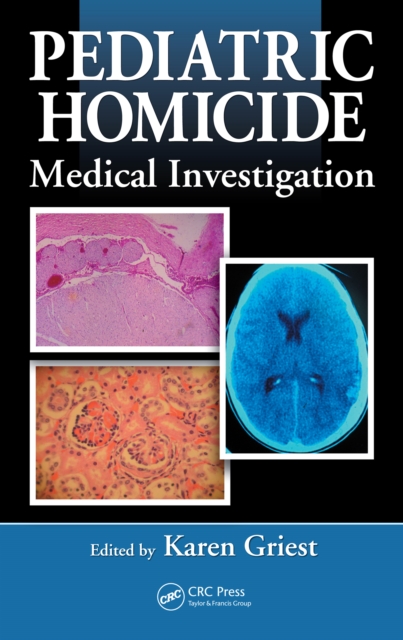
Of all children reported to child protective services for suspected maltreatment in any form, the percentage of substantiated cases of actual physical abuse is quite small.
Advances in our ability to analyse information from skeletal remains and subsequent developments in the field of forensic anthropology make it possible to identify more victims of homicides, mass-fatality disasters, and genocide.
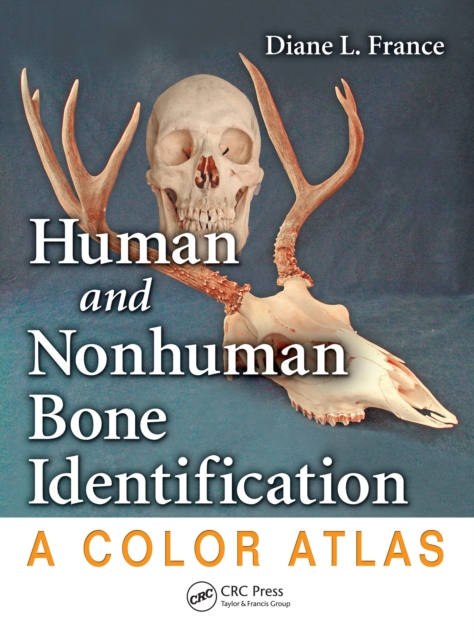
Building on the success, and maintaining the format, of the best-selling Human and Nonhuman Bone Identification: A Color Atlas (ISBN: 978-1-4200-6286-1), Comparative Bone Identification: Human Subadult to Nonhuman presents new images of human bones representing many states of maturation from neonate to 20 years old.
Critical to the successful apprehension and prosecution of criminals, the job of collecting evidence at a crime scene requires knowledge, technical skills, patience, and perseverance.
While gun design has undergone only minimal change over the centuries, investigative tools surrounding firearm use have grown significantly in sophistication.
Ancestry determination in the identification of unknown remains can be a challenge for forensic scientists and anthropologists, especially when the remains available for testing are limited.
Karch's Drug Abuse Handbook, Third Edition remains the quintessential compendium addressing the pharmacological, medical, and legal aspects of drugs and informing the forensic community of the latest scientific advances and emergent practices.
Forensic science has undergone dramatic progress in recent years, including in the areas of DNA collection and analysis and the reconstruction of crime scenes.
Forensic Issues in Alcohol Testing analyzes the acute and chronic effects of alcohol intoxication and a variety of methods with which to measure alcohol concentration in blood, urine, and breath testing.
Death Investigation: Systems and Procedures is the first book dedicated to the topic of death investigation from a legal standpoint as well as the administrative and operational procedures that pertain to the medical examiner and the coroner system in the United States.
Handbook for Death Scene Investigators provides concise information in a handy, pocket-sized (3 1/2"e; x 6"e;) format - perfect for on-the-scene reference.
Beginning with a definition and explanation of scheduling of controlled substances, Pathology, Toxicogenetics, and Criminalistics of Drug Abuse covers investigative methods for all illegal drugs and several legitimate pharmaceuticals that are used illicitly, including steroids.
REAL-LIFE CASES, TUTORIAL QUESTIONS, NARRATIVE HISTORYIntriguing anecdotal pedagogy, like the alleged arsenical poisonings of Napoleon and President Taylor and the probable mercury overdose of Isaac Newton, is one of the things that set Toxicology: A Case-Oriented Approach apart from other toxicology texts.
This third volume in the Forensic Pathology Atlases: Causes of Death Series provides an overview of the types, mechanisms, and physical findings associated with deaths involving asphyxia.
Focusing on issues raised at Interpol's 14th Forensic Science Symposium, this volume offers a complete overview and analysis of the scientific and legal aspects of each of the forensic disciplines.
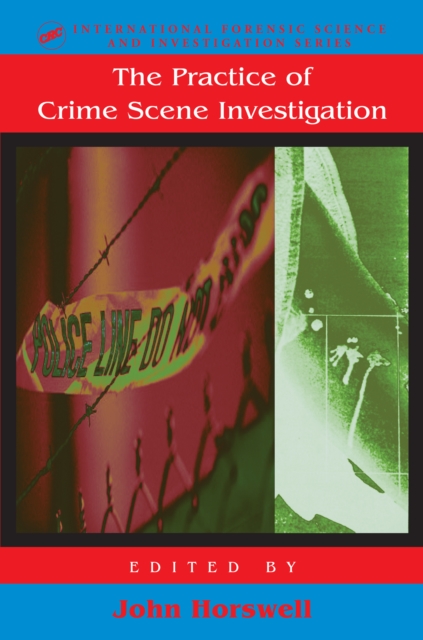
The Practice Of Crime Scene Investigation covers numerous aspects of crime scenes investigation, including the latest in education and training, quality systems accreditation, quality assurance, and the application of specialist scientific disciplines to crime.
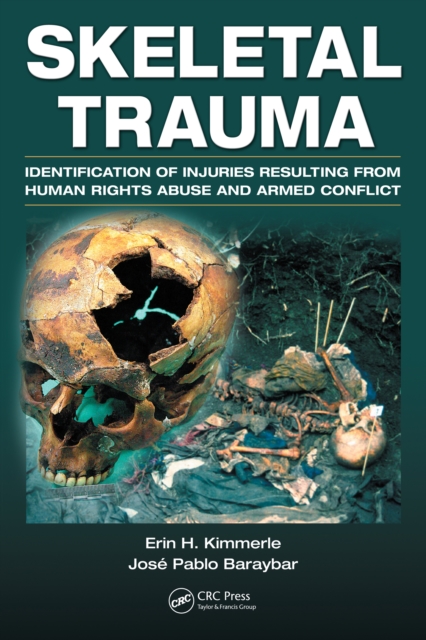
Written to assist in large-scale investigations of human rights violations, this seminal work describes the mechanisms of injuries, synthesizes variations in wounding patterns, and constructs an epidemiological framework for collecting, analyzing, and interpreting physical evidence for use at trial.
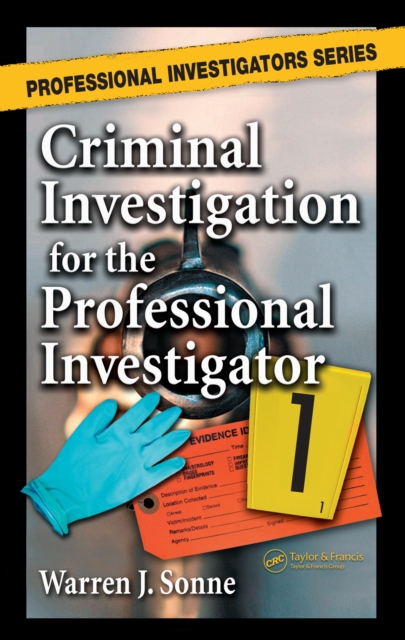
Aimed at the busy professional who aspires to become certified in the field, Criminal Investigation for the Professional Investigator details essential techniques a trained investigator will be called upon to perform during the course of a career.
Written by well-known, international authors, this comprehensive reference provides practical coverage of the best hair drug testing techniques and examines the drugs themselves.
The best way to grasp the essence of death scene investigation (DSI) is to witness its application, called the psychological autopsy, by an expert forensic scientist/clinician.
The best way to grasp the essence of death scene investigation (DSI) is to witness its application, called the psychological autopsy, by an expert forensic scientist/clinician.