Since the shutdown of our public psychiatry system, the seriously mentally ill are now mostly managed by public safety officers, school officials, emergency first responders and social workers with little experience in recognizing symptoms, triggers and issues.
Real-World Crime Scene Investigation: A Step-by-Step Procedure Manual is designed as a field guide providing instruction on how to document a crime scene, including sketching, mapping, searching, collecting, and preserving physical evidence.
This book serves as an up-to-date Rorschach primer and elaborates on the various applications of Rorschach assessment for adolescents with respect to differential diagnosis, forensic consultation, and therapeutic assessment.
A Core Curriculum for Nurse Life Care Planning helps registered nurse life care planners prepare to take the CNLCP credentialing exam and serves as a foundation for a successful nurse life care planning practice.
Principles of Epidemiology: A Self-Teaching Guide consists of a series of problem-solving exercises designed to introduce and guide readers toward an understanding of the principles and methods of epidemiology, rather than the epidemiology of specific diseases or subject areas such as "e;"e;infectious disease"e;"e; or "e;"e;chronic disease"e;"e; epidemiology.
Human Ecology and Infectious Diseases investigates the interrelationships among human behavior, ecology, and infectious diseases, with emphasis on parasitic and zoonotic diseases.
Analytical Methods for Pesticides and Plant Growth Regulators, Volume VII: Thin-Layer and Liquid Chromatography Pesticides of International Importance covers information on the greatly expanded version of thin-layer chromatography and high-speed liquid chromatography.
Current Topics in Clinical and Community Psychology, Volume 2 covers the need of scientific work in the field of clinical and community psychology to the problems of modern society.
A Textbook of Medical Jurisprudence and Toxicology, Sixth Edition discusses medico-legal points concerning the different causes of death, examination of evidence, and crimes that merit medical attention and advice.
Global Epidemiology: A Geography of Disease and Sanitation, Volume I presents a survey of the medical, health, and sanitary conditions of various geographic areas of the world.
Monitoring Toxic Gases in the Atmosphere for Hygiene and Pollution Control presents the principles of atmospheric monitoring, indicates where difficulties can occur, and where errors in sampling and measurement may be expected.
Epidemiology of Leukaemia and Lymphoma contains the proceedings of the Leukaemia Research Fund International Workshop held in Oxford, UK, on September 25-27, 1984.
Radiological Monitoring of the Environment documents the proceedings of a symposium organized by The Central Electricity Generating Board in association with The Joint Health Physics Committee, held at Berkeley, Gloucestershire, on 3-4 October 1963.
Industrial Hazard and Safety Handbook (Revised Impression) describes and exposes the main hazards found in industry, with emphasis on how these hazards arise, are ignored, are identified, are eliminated, or are controlled.
Forensic Biomechanics and Human Injury: Criminal and Civil Applications - An Engineering Approach provides a concise, comprehensive overview of human anatomy and the biomechanical factors involved in human injury.
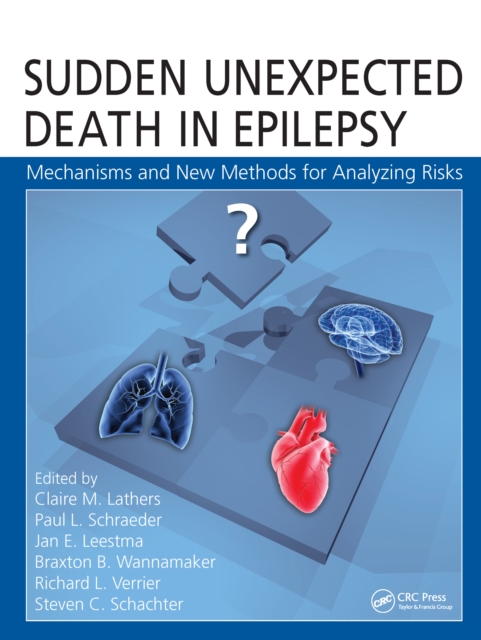
Sudden Unexpected Death in Epilepsy: Mechanisms and New Methods for Analyzing Risks builds on earlier works focusing on the clinical problem of sudden unexpected death in epilepsy (SUDEP).
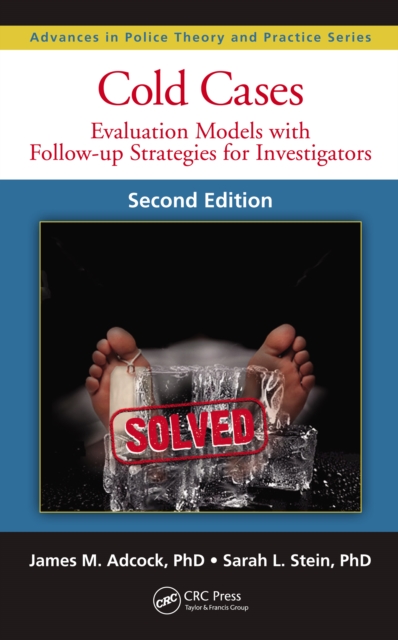
Because the investigation of cold cases is usually an arduous and time-consuming task, most law enforcement agencies in the United States are not able to dedicate the resources necessary to support the cold case investigation process.
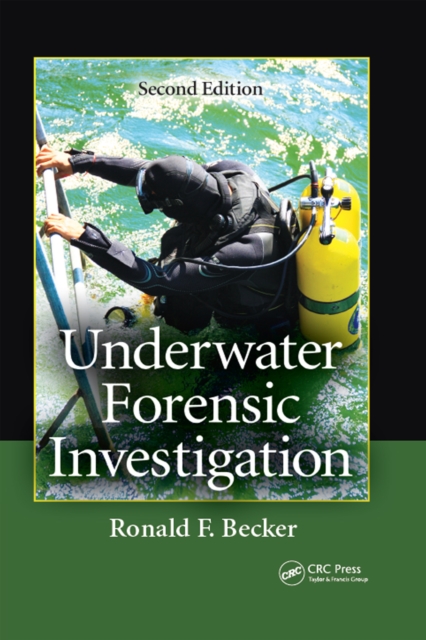
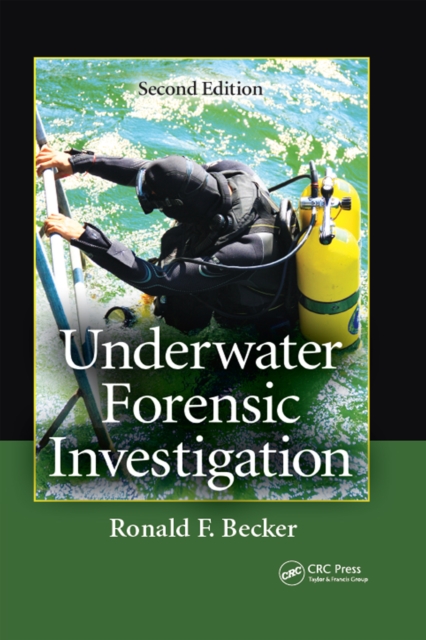
The evidence discovered at underwater crime scenes must be handled with the same attention to proper chain of custody procedures as with any other type of investigation.
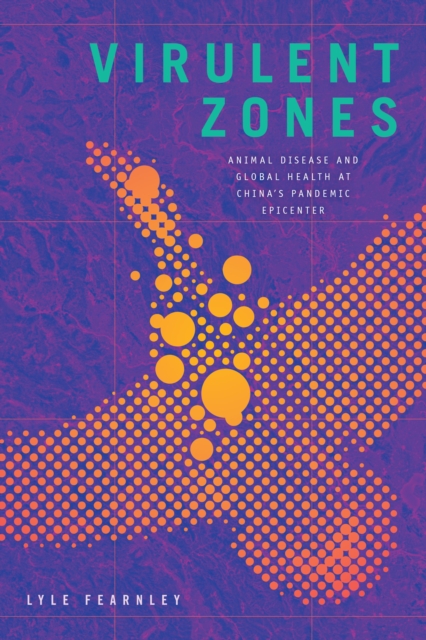
Scientists have identified southern China as a likely epicenter for viral pandemics, a place where new viruses emerge out of intensively farmed landscapes and human--animal interactions.
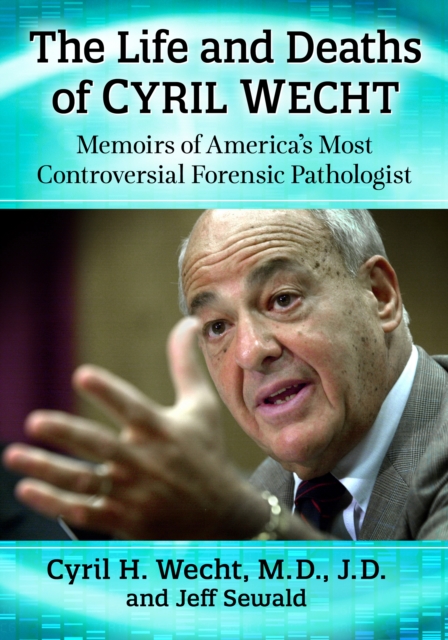
For six decades, Pittsburgh-based forensic scientist Cyril Wecht has been an outspoken authority when horrible things happen to everyday people--murders, childhood deaths, tragic accidents and police brutality.
Everything you need to know to seek justice for victims and accountability for traffickers is in this approachable guide written by seasoned anti-trafficking professionals.
Increasing use of ketamine as a recreational drug in Asia, Europe, and America is a great burden on society at large, leading to aspirational strain, unemployment, and crime.
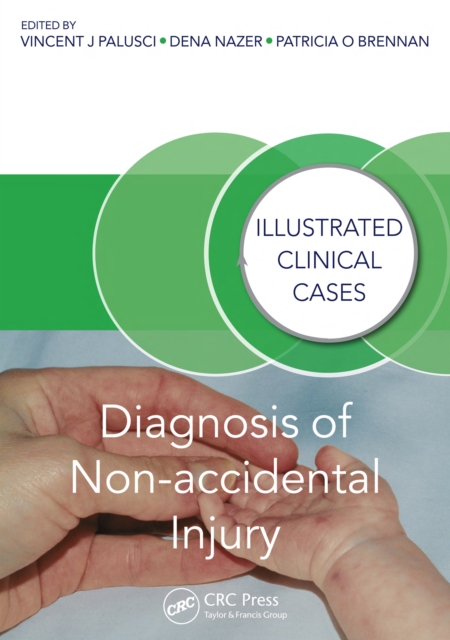
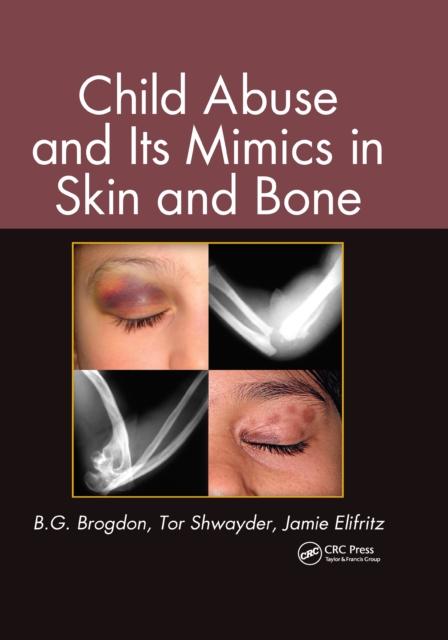
Of all children reported to child protective services for suspected maltreatment in any form, the percentage of substantiated cases of actual physical abuse is quite small.
This student mainstay continues to be organised around constitutional themes, with new material on local elections, the politics of the centre and the limits of state power.
The evidence discovered at underwater crime scenes must be handled with the same attention to proper chain of custody procedures as with any other type of investigation.
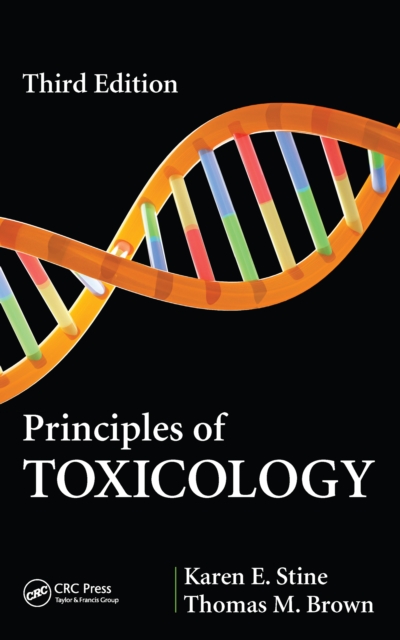
Reflecting the broad and interdisciplinary nature of toxicology, this third edition of Principles of Toxicology explores the biochemical, physiological, and environmental aspects of the subject.