Female Pelvic Surgery: A Comprehensive Guide provides a comprehensive, state-of-the-art surgical review of this field and will serve as a valuable resource for clinicians and surgeons.
Recent trends in medicine have pushed many gynecologic procedures to the outpatient setting, whether in-office, in small medical ambulatory surgery centers, or in procedure rooms.
Women with chronic medical problems are at higher risk for complications during pregnancy and therefore, they are especially in need of appropriate preconception and contraception care.
This volume provides practitioners with a practical, easy to read, well organized approach to the performance and analysis of urodynamics in order to optimize their usage clinically.
During this age of advanced technology, there is an incredible amount of dynamic literature surrounding the diagnosis and treatment of gynecologic cancers.
Rheumatic (or systemic autoimmune) diseases disproportionately affect young women: the female-to-male ratio for patients with systemic lupus erythematosus during the reproductive years is approximately 9:1.
Constipation: A Practical Approach to Diagnosis and Treatment serves as an unmet resource for physicians and other health care providers, including trainees and students, who see patients with constipation.
Minimally Invasive Therapy for Urinary Incontinence and Pelvic Organ Prolapse provides a detailed insight into "e;when, why, what and how"e; of various minimally invasive surgical procedures for surgical management of SUI, OAB & POP.
This timely volume surveys the broad spectrum of interventions used in health promotion, and shows how they may be tailored to the developmental needs of children and adolescents.
Everyone involved in obstetric practice at the present time will be well aware oft he complexities of drug interactions in the mother and fetus, and newborn infant.
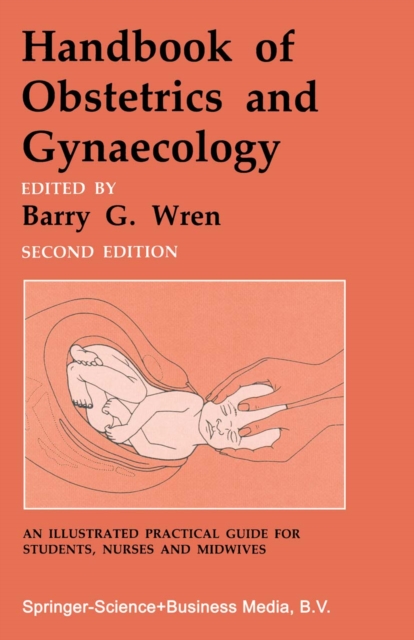
Everyone involved in obstetric practice at the present time will be well aware of the complexities of drug interactions in the mother and fetus, and in the newborn baby.
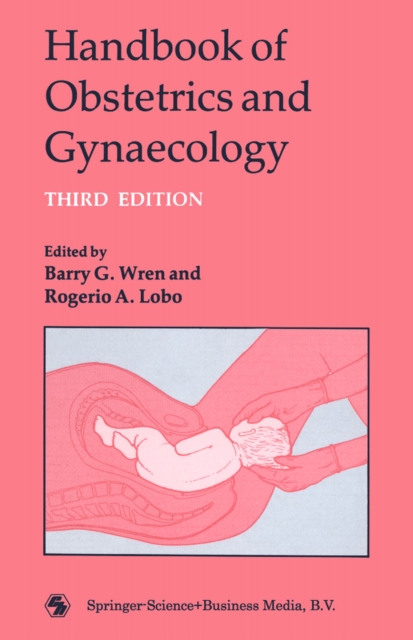
This second edition of the Handbook of Obstetrics and Gynaecology has become necessary because of the increasing growth in know- ledge and changing ideas on Obstetrics and Gynaecology.
This volume is the first in a series which brings together studies of par- ticular relevance to the care provided by midwives for childbearing women and their families.
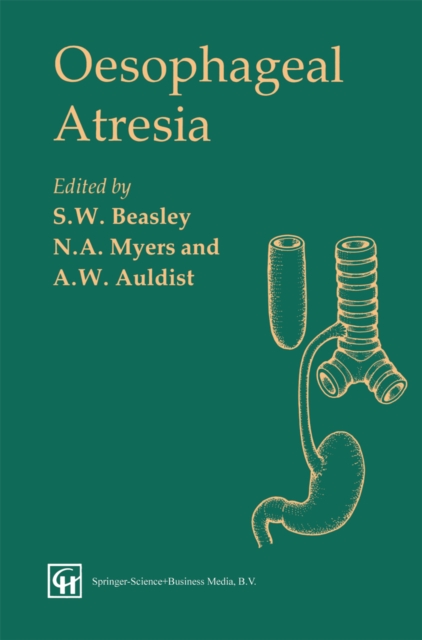
This book on oesophageal atresia and tracheo-oesophageal fistula sets out to describe all aspects of a congenital anomaly which has been described as 'the epitome of modern surgery' and 'the raison d' etre of paediatric surgery'.
This book evolved out of a conference which was held because of our conviction that prenatal screening and diagnostic techniques provide carers with a two-edged sword which can do both good and harm - often at the same time to the same person.
The decision to write this book was taken by a group of practising speech therapists who worked with bilingually language handi- capped children in the UK.
With the fall in mortality from infectious diseases, the* impact of childhood cancer in the Western World has increased to become the second commonest cause of death in the age group 1-14 years, being surpassed only by accidents.
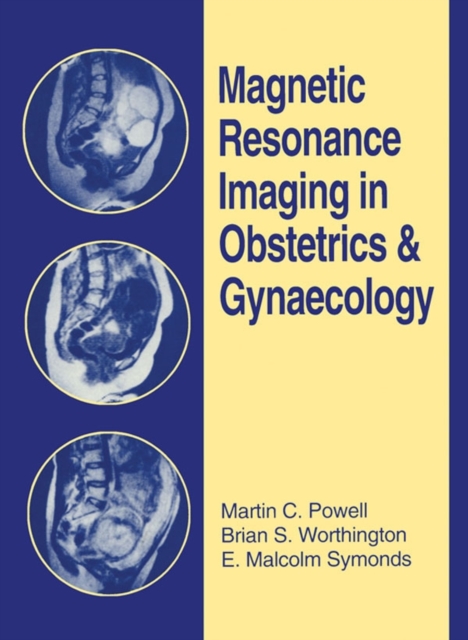
Magnetic Resonance Imaging in Obstetrics and Gynecology focuses on the potential of magnetic resonance imaging (MRI) as a major imaging modality in the management of malignant diseases in the pelvis.
Language Development and Aphasia in Children: New Essays and a Translation of Kindersprache und Aphasie by Emil Froschels deals with problems of theory, method, and therapy as well as the interpretation of language development and aphasia in children.
Malnutrition in Chronic Diet-Associated Infantile Diarrhea: Diagnosis and Management documents the proceedings of eighth annual symposium on nutrition research.
Perinatal Genetics: Diagnosis and Treatment brings together the proceedings of the 15 Annual New York State Health Department Birth Defects Symposium held on September 30-October 1, 1984 in Albany, New York.
Aging: Biology and Behavior addresses behavioral changes in aging related to biological processes, focusing on the nature of changes in brain plasticity, factors influencing life-span, and environmental and social influences on health in the elderly.
Pathophysiology of Gestation, Volume II: Fetal-Placental Disorders covers important areas of reproduction such as maternal-fetal interrelationship, biochemistry and physiology of the fetoplacental unit, and use of amniotic fluid constituents as diagnostic tools for fetal well-being.
Pathophysiology of Gestation deals with the underlying mechanisms of disorders affecting fetuses and neonates, especially those that happen during the early neonatal period.
Child Neuropsychology, Volume 2: Clinical Practice attempts to bridge the gap between neurodevelopmental theory and clinical practice with a pediatric population.