From certified health coach and founder of PCOS Diva, a large online PCOS community, a proven 21-day diet and lifestyle plan to help women with polycystic ovary syndrome (PCOS) take back control of their health and resolve their symptoms.
Understand the menopause with all its changes and challenges and choose practices and treatments, brought to you by a team of experts, to make this next stage in your wellness journey healthy and positive.
Childbirth guru Dr Gowri Motha, who practises with Dr Yehudi Gordon - author of Birth and Beyond - shows women how her revolutionary method helps women carry the baby to full term, have less intervention in the birth; feel less pain in labour, and feel happy and in control.
Research conducted in academic departments of obstetrics and gynecology could result in substantial improvements in the health of women and the outcomes of pregnancy.
The second volume of an overall look at the "e;malpractice crisis"e; sheds fresh light on the civil justice and insurance systems, medical liability issues, and their combined effect on health care for mothers and children.
Every Woman''s Guide to Taking Charge of the Change Did you know that the symptoms associated with menopause can begin fifteen years prior to its onset?
Promoting Reproductive Security in Developing Countries provides a comprehensive approach to developing and implementing reproductive health programs in the developing world.
Proceedings of the 9th International Conference of the International Society for Research in Human Milk and Lactation (ISRHML), October 2-6, 1999, Bavaria, Germany.
'Pincott uses the latest medical understanding to answer once and for all some of the biggest mysteries and misconceptions of this extraordinary time' - DAILY MAILHave you ever wondered what foetuses actually learn when they eavesdrop?
"e;Beautifully illustrated, detailed and clear, this is a wonderful introduction to human reproduction"e; - Professor Alice RobertsFollow the amazing transformation that occurs as a baby develops from a single cell into a fully formed human body.
Die Entwickler von MH-Kinaesthetics, Lenny Maietta und Frank Hatch, beschreiben anschaulich, wie kindliche Bewegungsfähigkeiten entstehen, was ihre Entwicklung beeinflusst, wie Gesundheit, Entwicklung und Lernen zusammenhängen und wie ein Kinaesthetics-Infant-Handling-Programm praktisch umgesetzt werden kann.
In Manufacturing Babies and Public Consent, Jose Van Dyck sketches a map of the public debate on new reproductive technologies as it has evolved in the USA and Britain since 1978.
Following on from the success of their previous standard textbook on Multiple Pregnancy, the authors have refocused their attention on prenatal assessment in multiple pregnancy and come up with condensed and revised material in a free-standing text.
The aim of this book is to fill the gap between the standard textbooks of obstetrics & gynecology - which do not cover (conservative) infertility treatment - and the specialized textbooks on ART - which don't address topics such as ovulation induction/IUI and the typical treatment of disorders associated with infertility, such as hyperandrogenism a
Analyzes various reproductive and gynecological disorders encountered in the care of women who do not wish to conceive, as well as those who have difficulty with conception, early pregnancy, and menopause.
Covers gestational and chronic hypertension in addition to severe preeclampsia, eclampsia, and HELLP syndrome and discusses the interaction with the renal, hematological, neurological, and hepatic systems of pregnant women.
Polycystic Ovary Syndrome discussesthe use of animal models in the study of PCOS the occurrence of ovarian and adrenal abnormalities, cardiovascular risks, abnormal insulin secretion, and endothelial dysfunction in PCOS modern therapeutic modalities, such as manipulation of diet and lifestyle, metabolic phenotyping
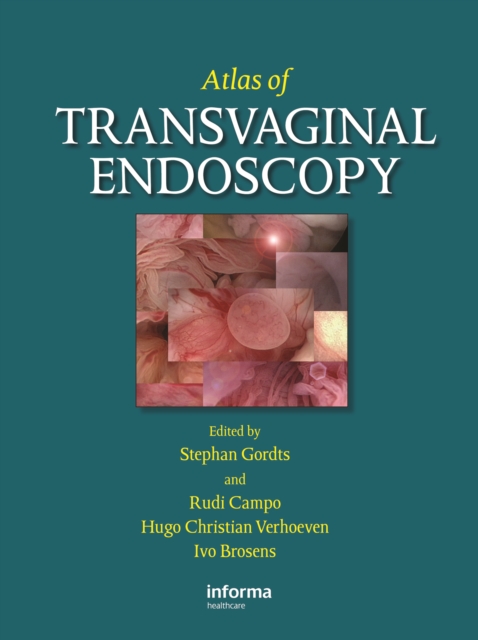
Non-invasive options for the management of gynecologic conditions continue to grow in popularity, as they offer considerable benefits in reduced patient stress, hospitalization time, and cost.
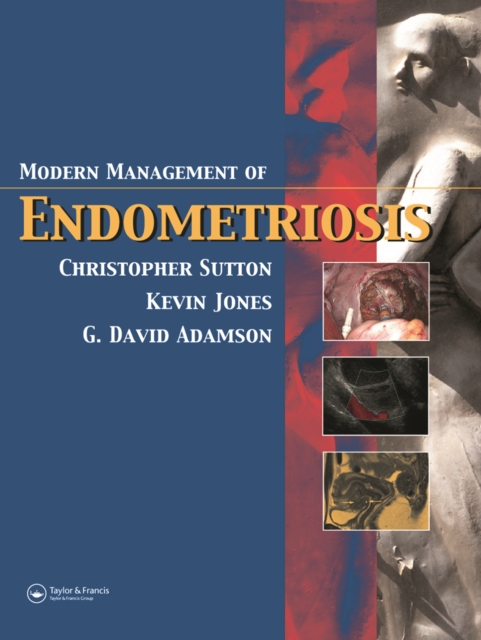
Endometriosis - a condition in which the lining of the uterus grows in other abdominal locations - is one of the most common causes of severe period pain, pelvic pain, and abnormal bleeding in women.
The most profound dilemma in assisted reproduction to date is the inability to recognize potentially viable embryos before their replacement into the reproductive tract.
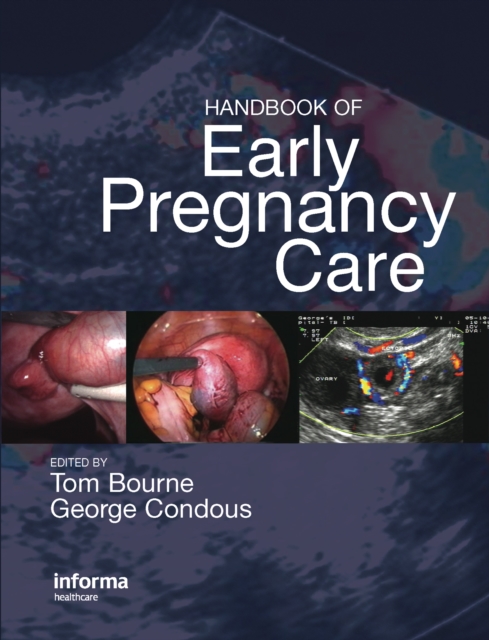
Problems in early pregnancy are among the most common conditions in gynecology and - with management becoming less invasive and depending more on accurate ultrasound and a good understanding of serum biochemistry - many countries now recommend that all maternity units have an early pregnancy section dedicated to managing these conditions.
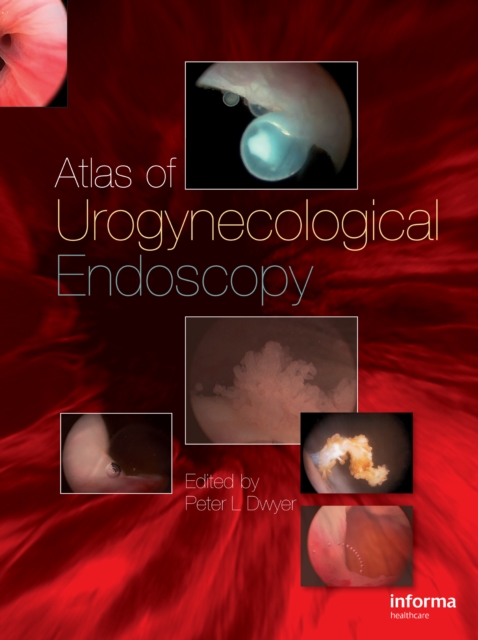
The study of gynecology and pelvic floor disorders is a rapidly developing area for gynecologists all around the world; and, moreover, an essential aspect to the diagnosis and treatment of pelvic floor disorders is a need for expertise in cystourethroscopy to accurately diagnose conditions of the lower urinary tract that frequently present to the gynecologists.
In the United States, over half of pregnant women receive some form of anesthesia for their deliveries; this translates into well over 2 million anesthetics per year.