The first complete reference dedicated to the full spectrum of women's imaging topics "e;Women s imaging"e; refers to the use of imaging modalities (X-ray, ultrasound, CT scan, and MRI) available for aiding in the diagnosis and care of such female-centric diseases as cancer of the breast, uterus, and ovaries.
The ultimate reference guide to the synthesis of radiopharmaceuticals The Radiochemical Syntheses series provides scientists and professionals with a comprehensive reference to proven synthetic methods for radiochemical reactions, along with step-by-step guidance on how to replicate these syntheses in the laboratory.
Neuroparasitology and Tropical Neurology, a new volume in The Handbook of Clinical Neurology, provides a comprehensive and contemporary reference on parasitic infections of the human nervous system.
This book is unique in linking in vivo 13C NMR measurements of neuronal activity and energetics with applications to functional imaging and certain disease states It provides a fundamental neurochemical explanation of brain activity applicable to functional imaging, theories of neuronal activity and disease states, e.
Neuroparasitology and Tropical Neurology, a new volume in The Handbook of Clinical Neurology, provides a comprehensive and contemporary reference on parasitic infections of the human nervous system.
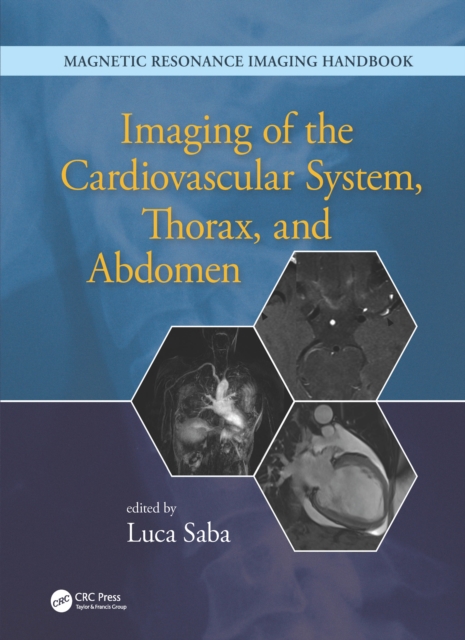
- Provides state-of-the-art coverage of CMR technologies and guidelines, including basic principles, imaging techniques, ischemic heart disease, right ventricular and congenital heart disease, vascular and pericardium conditions, and functional cardiovascular disease.
A study of science and technology practices that shows how even emergent aspects of research and development remain entangled with established hierarchies.
Essentials of Body MRI extensively covers the field, offering clear and detailed guidance on MRI as an invaluable tool for the primary diagnosis and problem solving of diseases of the body, including the abdomen, liver, pancreas, pelvis, heart, urinary tract, and great vessels.
This book is designed to introduce the reader to the field of NMR/MRI at very low magnetic fields, from milli-Tesla to micro-Tesla, the ultra-low field (ULF) regime.
Professor Derek Jones, a world authority on diffusion MRI, has assembled most of the world's leading scientists and clinicians developing and applying diffusion MRI to produce an authorship list that reads like a "e;Who's Who"e; of the field and an essential resource for those working with diffusion MRI.
The underlying physics of magnetic resonance imaging is a topic of considerable importance since a basic understanding is necessary to accurately interpret and generate high quality MR images.
This book is designed to introduce the reader to the field of NMR/MRI at very low magnetic fields, from milli-Tesla to micro-Tesla, the ultra-low field (ULF) regime.
Body MRI: Cases in Radiology serves as a ready reference of 141 cases and nearly 900 superb quality images of common and uncommon conditions encountered in the daily practice of body MRI.
In this autobiography, Sir Peter Mansfield describes his life from war time childhood that initially sparked his interest in physics to his work in magnetic resonance imaging (MRI) that eventually led to the award of the Nobel Prize in 2003.
Taking the reader through the underlying principles of molecular translational dynamics, this book outlines the ways in which magnetic resonance, through the use of magnetic field gradients, can reveal those dynamics.
Cardiovascular Magnetic Resonance (CMR) is a rapidly expanding imaging method in cardiology which provides unparalleled diagnostic information about the heart.