This extensively updated edition provides a comprehensive review of hypertrophic cardiomyopathy, the most common genetic disorder of the heart characterized by dysfunctional contractility at the sarcomere level.
Endovascular Interventions uses a case-based approach to present the current methodology used for the treatment of peripheral arterial and venous diseases.
Atlas of Brain and Spine Oncology Imaging presents a comprehensive visual review of pathologic disease variations of cancers of the brain and spine through extensive radiologic images.
New Techniques for Thoracic Outlet Syndromes presents in a comprehensive format an up-to-date, state of the art reference that physicians can use in consultation to properly treat patients using the resources that modern medicine offers.
Self-expandable stents were initially placed for the treatment of cardiovascular diseases but now play an integral role in the relief of benign and malignant obstruction of the gastrointestinal tract and biliary system.
Myelin Repair and Neuroprotection in Multiple Sclerosis presents an up-date on the translational potential of promoting remyelination in multiple sclerosis (MS).
Evidence-Based Neuroimaging is a user-friendly guide that employs evidence-based medicine criteria to systematically review the evidence defining the appropriate use of medical imaging for the brain, spine, head, and neck.
MRI Handbook presents a concise review of the physical principles underlying magnetic resonance imaging (MRI), explaining MR physics, patient positioning, and protocols in an easy-to-read format.
The Handbook of Endovascular Peripheral Interventions has been written to serve as a comprehensive guide for both the beginner and advanced interventionalist.
All the gamuts pertaining to the nervous system have been excerpted into this book from Reeder and Felson's Gamuts in Radiology, the world's best known, most trusted, and most comprehensive guide to radiologic differential diagnosis.
Over a mere 5 years, neonatal cranial sonography has evolved from an obscure and largely experimental imaging possibility to the modality of preference in the examination of the young brain.
This book has been written for radiologists, ophthalmologists, neurologists, neurosur- geons, plastic surgeons, and others interested in the evaluation of disorders with ophthalmologic signs and symptoms.
Considerable impetus was given to the study and understanding of cere- brovascular anatomy by Thomas Willis and his contemporaries in the seventeenth century, yet almost two hundred years were to pass before further significant advances were made in this field.
In spite of great improvements in prehospital, critical care, and surgical management, traumatic brain injury is still a leading cause of death and disability resulting in great socioeconomic burden.
In spite of great improvements in prehospital, critical care, and surgical management, traumatic brain injury is still a leading cause of death and disability resulting in great socioeconomic burden.
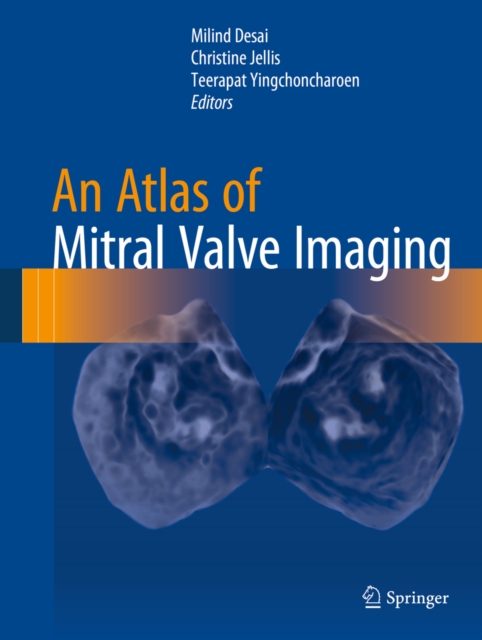
Valvular heart medicine revolves around the need to accurately identify locations of pathological structures and/or the interventional tools needed to manage that pathology.
Since the introduction of coronary angiography, a key technique in understanding coronary artery disease, a number of paradigms regarding its study and interpretation have taken place.
Interventional cardiology has transitioned from angiographic subjective analysis of stenosis severity into assessment of plaque characteristics and objective assessment of stenosis severity.
This updated and refined new edition is the only book to provide a comprehensive approach to the intensive care of neurologically injured patients from the emergency room and ICU through the operating room and post-surgical period.
As minimally invasive therapies, endovascular embolization and chemo-embolization are now the first-choice palliative or curative therapeutic alternatives in oncology, traumatology, functional pathology, treatment of benign tumors, and management of post operative complications.
This book provides an easy-to-use manual that will help trainee and practising interventional radiologists by providing cases which cover most of the complications that a general interventionalist may encounter in normal practice.
This practical handbook is based on an internal working manual developed by staff and fellows at Mount Sinai Heart Cardiovascular Catheterization Laboratory, renowned for its high-volume and low complication complex coronary procedures.
This book is the ultimate reference on patent foramen ovale (PFO), a defect in the septum of the heart estimated to be present in more than twenty percent of the adult population and a proven cause of systemic embolism.