This updated second edition of Acute Ischemic Stroke: Imaging and Intervention provides a comprehensive account of the state of the art in the diagnosis and treatment of acute ischemic stroke.
It is by your own eyes and your ears and your own mind and (I may add) your own heart that you must observe and love Sir William Osler It has been just over 20 years that Hawke and Jahn's seminal book entitled Diseases of the Ear: Clinical and Pathologic Aspects was published.
The topography of the brainstem is complex, and even experienced neurologists find it challenging to localize brainstem lesions and diagnose brainstem disorders.
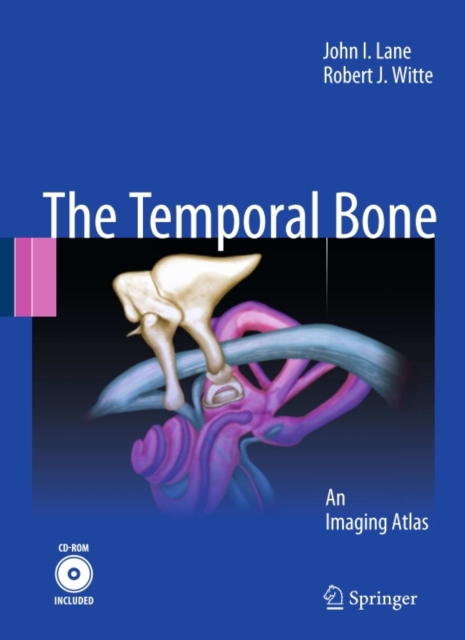
Imaging of the temporal bone has recently been advanced with multidetector CT and high-field MR imaging to the point where radiologists and clinicians must familiarize themselves with anatomy that was previously not resolvable on older generation scanners.
This handy, well-illustrated manual has been designed to meet the need of interventional pain physicians to understand the radiologic imaging involved in the performance of non-spinal pain procedures.
A general consensus exists,that lumbosacral nerve root compression is the primary cause of sciatica and neurogenic claudication, although humoral and vascular factors certainly play a role as well.
This volume provides a deeper understanding of the diagnosis of brain tumors by correlating radiographic imaging features with the underlying pathological abnormalities.
Dural cavernous sinus fistulas (DCSFs) are benign vascular diseases consisting in an arteriovenous shunt at the cavernous sinus that if misdiagnosed can lead to potentially serious ophthalmologic complications.
Because of the radiation dose delivered, multidetector row CT (MDCT) may induce cancers, and the risk of death has been estimated at up to one per 1,000 examinations.
Thoracic Aortic Diseases represents an ambitious undertaking by a large number of highly respected international specialists in aortic pathologies, with the purpose of providing information on the acquired and genetic basis of aortic diseases as well as a global perspective on therapeutic alternatives.
Endovascular embolization therapy has made remarkable progress during the past two decades, driven primarily by improvements in digital imaging, breakthroughs in microcatheter technology and coil design, and the development of new embolic materials.
Endovascular embolization therapy has made remarkable progress during the past two decades, driven primarily by improvements in digital imaging, breakthroughs in microcatheter technology and coil design, and the development of new embolic materials.
This book describes the pathoanatomical, pathophysiological, and imaging features of vascular malformations and aneurysms of the brain and the modern, minimally invasive endovascular methods and techniques employed in their treatment.
Written by physicians from the Massachusetts General Hospital and faculty from the Harvard Medical School, the book distills years of experience in the day-to-day management of acute stroke patients, as well as leading-edge basic and clinical research, into a practical guide.
The volume provides a unique review of the essential topographical anatomy of the brain from an MRI perspective, correlating high-quality anatomical plates with the corresponding high-resolution MRI images.
This book describes the pathoanatomical, pathophysiological, and imaging features of vascular malformations and aneurysms of the brain and the modern, minimally invasive endovascular methods or techniques employed in their treatment.
Encouraged by the success of the Italian editions, the Authors have decided to publish an English version taking into account the latest technical and methodological advances and the consequent new acquisitions in clinical practice.
This text atlas in its third edition provides a precise description of the human hippocampal anatomy and its functions, including 3D, sectional anatomy, a chapter on vascularisaton and a new chapter 6 on Coronal, Sagittal and Axial Sections of the Hippocampus showing its relationship with the surrounding structures (after intravascular india ink injection).
In recent decades, the use of neuroimaging techniques has resulted in outstanding progress in the diagnosis and management of neurological diseases, and this is particularly true of those diseases that affect the white matter of the brain and spinal cord.
This book provides a comprehensive review of innovative diagnostic methods for prostate cancer, with a particular emphasis on the development of PET radiopharmaceuticals.