Cardiac tumors were once a nosographic entity of scarce clinical interest because of the rarity and of the intrinsic diagnostic and therapeutic impossibilities, and were considered a fatal morbid entity.
Imaging and Focal Therapy of Early Prostate Cancer evaluates the scientific evidence for the evolving trend to treat low to intermediate risk, clinically localized prostate cancer in a focally ablative manner with novel gland-preserving, focal therapy methods.
This is the third, completely updated edition of a comprehensive book in which many of the world's leading lung cancer specialists discuss the recent advances in the radiation oncology of lung cancer and reflect on the latest research findings in lung cancer and other intrathoracic malignancies.
The book sheds light on medical cyber-physical systems while addressing image processing, microscopy, security, biomedical imaging, automation, robotics, network layers' issues, software design, and biometrics, among other areas.
Fully revised and updated, the Handbook serves as a practical guide to endovascular methods and as a concise reference for neurovascular anatomy and published data about cerebrovascular disease from a neurointerventionalist's perspective.
Radiobiology Self-Assessment Guide--a companion to the Radiation Oncology Self-Assessment Guide and Physics in Radiation Oncology Self-Assessment Guide--is a comprehensive review for practitioners of radiation oncology looking to enhance their knowledge of radiobiology.
Honorable Mention, 2015 PROSE Award in Clinical Medicine PracticeWith a ihow-toi approach, the author meticulously describes the clinical evaluation of the peripheral nerves throughout the body using high-frequency ultrasound.
The emerging technology of continuous EEG monitoring in intensive care units gives practitioners the ability to identify malignant EEG patterns quickly and provide more effective care.
Expanding on the highly successful previous two editions, this third edition of Proton Therapy Physics has been updated throughout and includes several new chapters on "e;Adaptive Proton Therapy,"e; "e;Imaging for Planning,"e; "e;Flash Proton Therapy,"e; and "e;Outcome Modeling for Patient Selection.
While specialists often guide the care to lung cancer patients, it is often a general radiologist who is left to interpret studies that impact patient care and management.
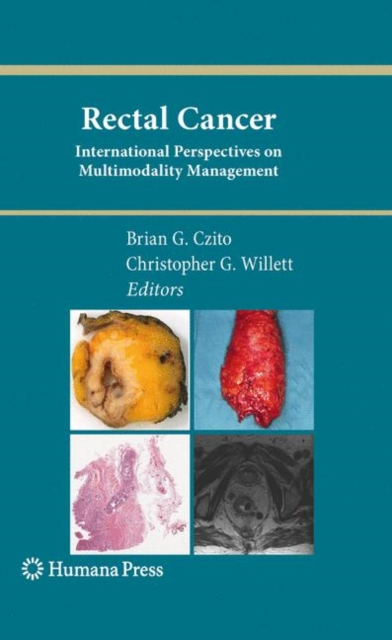
Rectal Cancer: International Perspectives on Multimodality Management is a timely analysis of the diagnosis, staging, pathology, and therapy of cancer of the rectum.
Dating Neurological Injury: A Forensic Guide for Radiologists, Other Expert Medical Witnesses, and Attorneys presents a unique way to approach the dating of neurological injury as imaged by modern computed tomography (CT), magnetic resonance (MR) and ultrasound (US).
Patient Surveillance After Cancer Treatment covers the history of cancer patient surveillance after curative-intent treatment, the rationale, the methodologies used in the past and at present, the methodologies that will probably emerge in the future, the costs of surveillance, the definitions of various terms used in the field, and how those who are interested in the topic can get more information about it from the internet.
Peripheral and Cerebrovascular Intervention draws upon experts from diverse fields to provide readers with a comprehensive foundation for understanding and performing endovascular procedures-from the basic steps to the most current and advanced techniques.
Hepatocellular Carcinoma: Targeted Therapy provides a detailed repository of the latest information regarding HCC epidemiology, diagnosis, imaging, pathology, staging, and treatment options.
As in the first edition of Inflammatory Bowel Diseases this new edition continues to provide readers with a concise, yet in-depth review of many of the important areas in the history, epidemiology, pathogenesis, diagnosis, and treatment of the inflammatory bowel diseases (ulcerative colitis and Crohn's disease), as well as associated issues: extraintestinal manifestations, ostomy care, women's issues, economics, etc.
Over the past three decades, carotid artery stenting has evolved to become a promising and viable alternative to carotid endarterectomy, especially for patients deemed to have high surgical risks.
Substantial morbidity and mortality remains associated with thrombotic events has stimulated the rapid expansion of the available armamentarium to combat pathologic thrombosis.
Neurointerventional radiology is evolving into a rarified and complex field, with more people today training to become neurointerventionalists than ever before.
Cytokines in the Genesis and Treatment of Cancer provides a comprehensive picture of the dual role of host responses in promoting and inhibiting tumor progression.
Regional cancer therapies remain important options in the management of malignant disease, in spite of the venue of more targeted agents for systemic therapies.
Prostate Cancer: Biology, Genetics, and the New Therapeutics, Second Edition, reviews new, valuable approaches to the treatment of prostate cancer in men.
Leading interventional cardiologists, including Patrick Serruys, Eric Topol, David Holmes, Thomas Luscher and others provide the gold-standard reference on the treatment of restenosis (coronary artery blockage) for interventional cardiologists.
Sydney Lou Bonnick, MD, FACP, and Lori Ann Lewis, MRT, CDT, have updated and expanded their highly praised Bone Densitometry for Technologists to reflect the latest standards and developments in the field.
Prominent physicians review past, current, and future applications of the many powerful imaging techniques now used in the diagnosis, staging, treatment, and outcomes assessment of cancers of the prostate, central nervous system (CNS), and breast.
A panel of world-renowned experts presents a complete course on evaluating and treating patients with back pain, including interventional spinal procedures, spinal imaging, and the clinical evaluation of the spine patient.