Leben mit Demenz: Wie aktives Gestalten Erkrankten und Pflegenden hilftDie Betreuung von Menschen mit Demenz stellt sowohl pflegende Angehörige als auch Fachkräfte vor vielfältige Herausforderungen.
The comprehensive guide to preventing Alzheimer's and other thinking disorders, from the leading authority and bestselling author of The Complete Guide to Memory, Dr Richard Restak.
Written by experts in easy-to-understand language, this book offers a quick guide for anyone with a parent, grandparent, or loved one struggling with Alzheimer's disease.
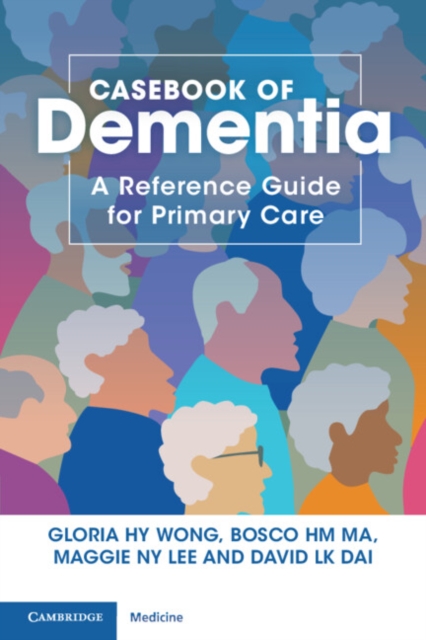
An essential guide to assessing and treating people with dementia syndromesAs the number of older adults with dementia continues to skyrocket, every health care professional needs accurate, up-todate knowledge of these conditions, their prevention, and possible treatments.
An essential guide to assessing and treating people with dementia syndromesAs the number of older adults with dementia continues to skyrocket, every health care professional needs accurate, up-todate knowledge of these conditions, their prevention, and possible treatments.
Lustige Vorlesegeschichten für Senioren und Seniorinnen mit und ohne Demenz +++ Wer als Kind und später im Erwachsenenalter gern gelesen hat, der möchte dieses besondere Vergnügen auch im Alter nicht missen.
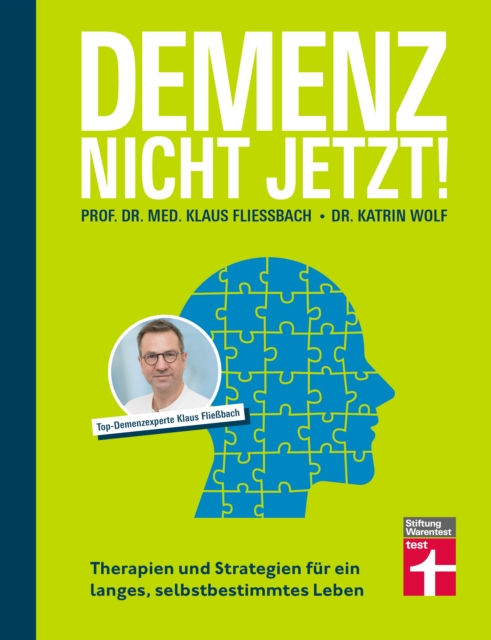
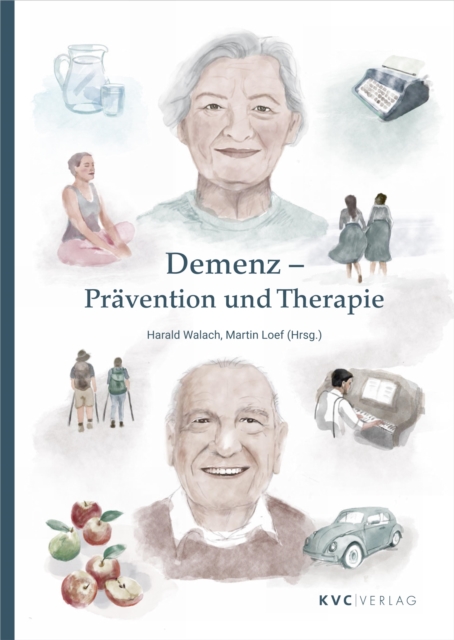
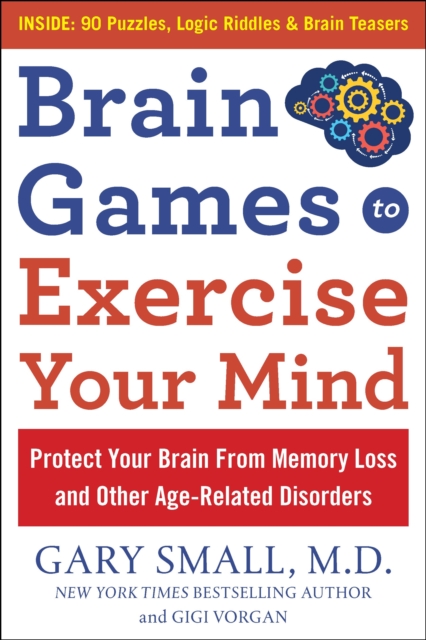
Demenzerkrankungen sind kein unausweichliches Schicksal, sie entstehen vielmehr aus einer Mischung vieler Ursachen und Auslöser, von denen wir einige selbst kontrollieren können.
As a consequence of demographic change, it is increasingly necessary now and in the future for the architectural profession to rethink the design of residential solutions for aging people and especially those with dementia.
A Guardian 'Best ideas book of 2023'A RADIO 4 BOOK OF THE WEEK'The best book I have ever read that explores the effect on the brain of the carer, when someone has dementia' Professor June Andrews, author of Dementia: The One-Stop GuideDasha Kiper was twenty-five when she first became the live-in carer for a Holocaust survivor with Alzheimer's disease.
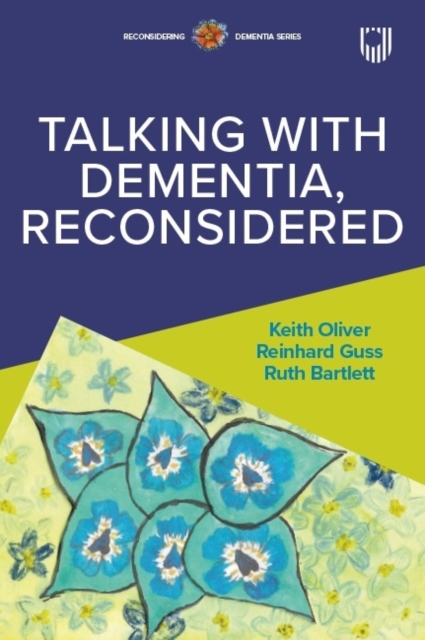
Demenzen schränken neben den Gedächtnisleistungen und der Orientierungsfähigkeit auch die verbale und nonverbale Kommunikationsfähigkeit ganz erheblich ein: Demenzkranke Menschen haben Wortfindungsstörungen und Verständnisprobleme.
Personalisierung beruht auf personzentrierter Pflege und konzentriert sich auf die Frage, wie man Menschen mit Demenz in Dingen, die ihr Leben betreffen, mehr Wahl- und Entscheidungsfreiheit einräumen kann, und welche Unterstützung sie benötigen, um Teil ihrer Gemeinschaften bleiben zu können.
Die Abläufe von Krankenhäusern und die Qualifikationen von Akutpflegenden sind vielfach nicht auf die Bedürfnisse von Menschen mit Demenz und ihre Angehörigen ausgerichtet.