Free radicals have been implicated in a entire host of different human disease states, which suggests that although they may not have a pivotal causal role, they are involved in the perpetuation of disease.
Hereditary or genetic diseases featuring involuntary movements constitute a major aspect of the practice of neurology, functional neurosurgery, genetics, and many areas of basic and applied neuroscience research.
Glutamate is the major excitatory neurotransmitter in the brain and dysfunction of glutamate transmission is the likely cause of a variety of diseases including neurodegeneration following cerebral ischemia, Huntington's chorea, amyotrophic lateral sclerosis, epilepsy, spasticity, emesis, chronic pain, and schizophrenia.
Endocrine Methods contains descriptions of contemporary and cutting-edge methodologies in various areas of endocrinology, including receptor theory and immunologic techniques for endocrine research.
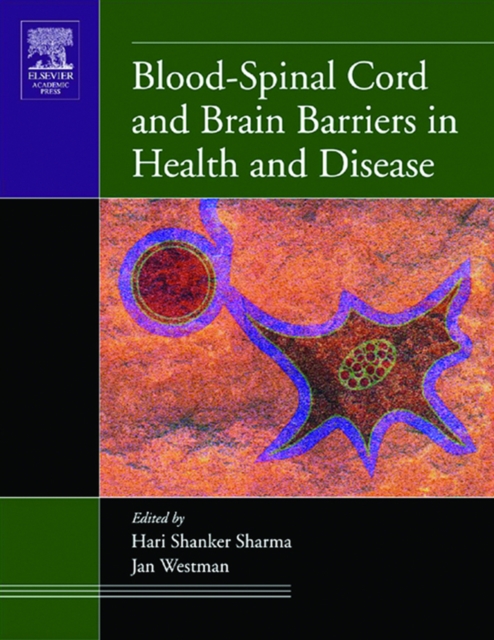
Recent research into the anatomy and pathophysiology of the blood-brain and blood-spinal cord barriers suggests that a breakdown in these barriers can result in several diseases affecting the central nervous system (CNS).
Anesthesia and Analgesia in Laboratory Animals focuses entirely on the special anesthetic, analgesic, and postoperative care requirements associated with experimental surgery.
This volume summarizes the evolution and physiology of GnRH molecules and receptors, and provides insight as to how social behavior influences cellular and molecular events in the brain from a comparative perspective.
With over 300 training programs in neuroscience currently in existence, demand is great for a comprehensive textbook that both introduces graduate students to the full range of neuroscience, from molecular biology to clinical science, but also assists instructors in offering an in-depth course in neuroscience to advanced undergraduates.
Treating Adult Children of Alcoholics showcases the first collection of treatment chapters devoted entirely to a systematic behavioral analysis of drinking and nondrinking offspring of alcoholic families.
Therapist's Guide to Clinical Intervention, Second Edition is a must-have reference for clinicians completing insurance forms, participating in managed care, or practicing in treatment settings requiring formalized goals and treatment objectives.
The Essence of Psychotherapy traces the common thread in all psychotherapy approaches--behavioral, cognitive, psychodynamic, strategic, and humanistic--and defines this "e;essence"e; as a set of fundamental principles and ultimate objectives that must be preserved in the face of increased standardization in the field.
Substance Use Disorders: Assessment and Treatment is a summary of everything a therapist should know about substance abuse in one easy-to-read comprehensive book.
Aunque es normal que los niños muestren mucha actividad física, algunos de ellos lo hacen de tal manera que les genera problemas significativos a ellos mismos y a quienes los rodean.
This text offers practicing clinicians strategies, interventions, suggestions, guidance and ideas to work with adults struggling with Attention Deficit Hyperactivity Disorder, and is intended as a reference to which clinicians will turn time and time again as issues or problems present themselves.
Evaluating and Treating Adolescent Suicide Attempters provides a comprehensive overview of the emotional, behavioral and cognitive characteristics of adolescents who have attempted suicide.
The field of neurology is being transformed, from a therapeutically nihilistic discipline with few effective treatments, to a therapeutic specialty which offers new, effective treatments for disorders of the brain and spinal cord.
For more than seventy years evidence has accumulated documenting the existence of a bi-directional communication network between growth hormone and the immune system.
In the past decade neuronal plasticity has become a major theme of modern neurobiology, from cellular and molecular mechanisms of synapse formation in worms and insects to behavioural recovery from strokes in elderly humans.
This volume and its companions (Volumes 255, 256, 257, and the forthcoming 329) cover all biochemical and biological assays currently in use for analyzing the role of small GTPases in these aspects of cell biology at the molecular level.
Published since 1959, International Review of Neurobiology is a well-known series appealing to neuroscientists, clinicians, psychologists, physiologists, and pharmacologists.
This long-awaited update of the classic, The Human Nervous System, stands as an impressive survey of our knowledge of the brain, spinal cord, and peripheral nervous system.
Recent advances in the understanding of the genetic, neurochemical, behavioral and cultural underpinnings of addiction have led to rapid advances in the understanding of addiction as a disease.
Through real-time assessments of how the patient's nervous system is functioning throughout a surgical procedure, Neurophysiology in Neurosurgery presents vital techniques to guide surgeons in their efforts to minimize the risks of unintentional damage to healthy nervous tissue.