At a time when the mental health difficulties/disorders of the elderly are coming to the fore of many practitioners' patient rosters, naming and treating those problems is still too often handled as an art as much as a science.
Consisting of two separate volumes, Neuroimaging provides a state-of-the-art review of a broad range of neuroimaging techniques applied to both clinical and research settings.
The book is focused on defense mechanisms as theoretical constructs as well as the possibilities of their empirical registration by different methods, and the application of these constructs in different fields of psychology with special regard to concurrent and predictive validity.
Ahistory of aging in the United Statesand an innovative blueprint for revolutionizingcare for older adultsfrom Northwell Health, New York's largest health care system.
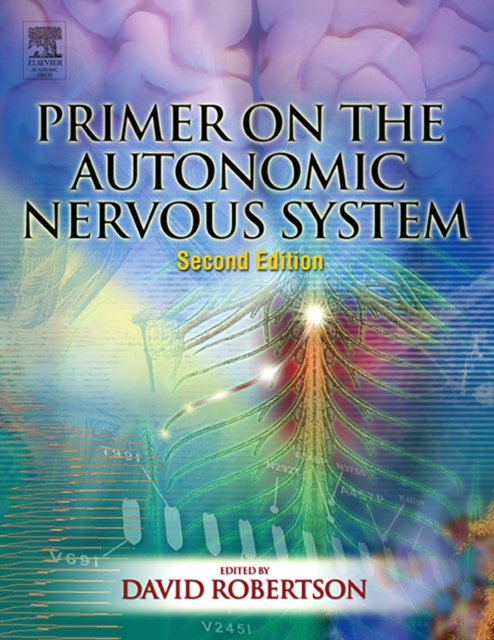
The Primer on the Autonomic Nervous System presents, in a readable and accessible format, key information about how the autonomic nervous system controls the body, particularly in response to stress.
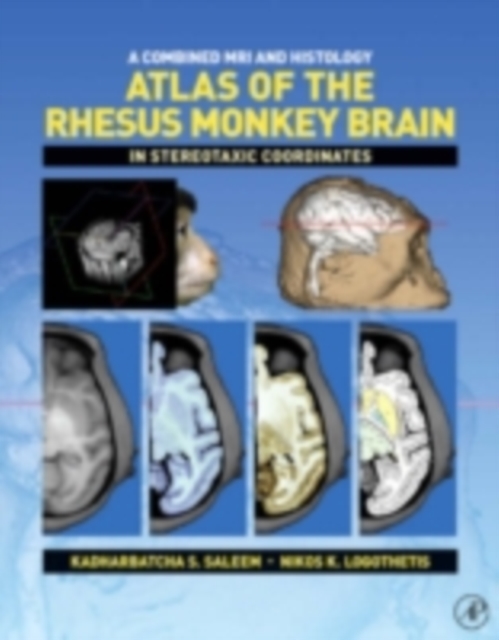
This atlas maps the detailed architectonic subdivisions of the cortical and subcortical areas in the macaque monkey brain using high-resolution magnetic resonance (MR) images and the corresponding histology sections in the same animal.
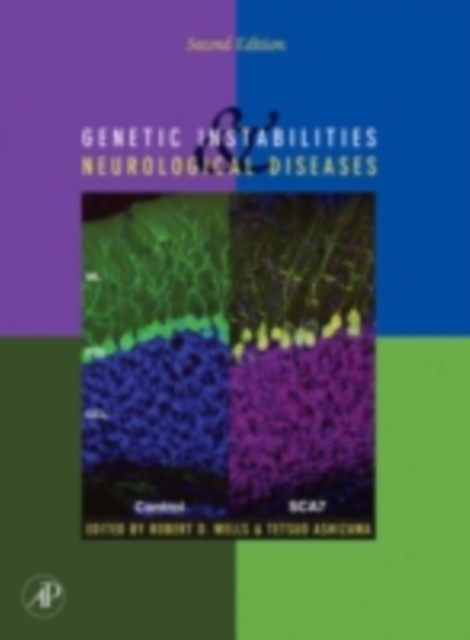
Genetic Instabilities and Neurological Diseases covers DNA repeat instability and neurological disorders, covering molecular mechanisms of repeat expansion, pathogenic mechanisms, clinical phenotype, parental gender effects, genotype-phenotype correlation, and diagnostic applications of the molecular data.
Published since 1959, International Review of Neurobiology is a well-known series appealing to neuroscientists, clinicians, psychologists, physiologists, and pharmacologists.
Published since 1959, International Review of Neurobiology is a well-known series appealing to neuroscientists, clinicians, psychologists, physiologists, and pharmacologists.
Recent advances in modern imaging techniques that can be used non-invasively for the visualization of the human brain have greatly enhanced the knowledge of brain anatomy and the understanding of its relationship to brain function.
Few areas of biomedical research provide greater opportunities for radically new therapies for devastating diseases that have evaded treatment so far than gene therapy.
Atlas of Ambulatory EEG covers the areas of clinical neurophysiology, an atlas that comprehensively depicts normal, abnormal, and artifactual findings from actual ambulatory EEG recordings in a convenient and easily accessible format.