The later stages of dementia are as important, if not more so, as the earlier stages, since they harbour unique characteristics and events, which profoundly affect the lives of patients and their carers.
Epilepsy, Part II, Treatment, Volume 108, provides a full description of epilepsy pathology and etiology, antiepileptic drug treatment, the approach to surgical evaluation and alternative procedures to be considered, in both children and adults, as well as brain stimulation and diet treatment.
Epilepsy, Part I, Basic Principles and Diagnosis, Volume 107, in the Handbook of Clinical Neurology series offers a comprehensive review of our knowledge of the field today, including epidemiology, basic mechanisms, animal models, and topics of increasing interest such as the role of inflammation in epilepsy.
Theory of mind is a key consideration in autism spectrum conditions and is frequently associated with social, emotional, behavioural and mental health difficulties.
Theory of mind is a key consideration in autism spectrum conditions and is frequently associated with social, emotional, behavioural and mental health difficulties.
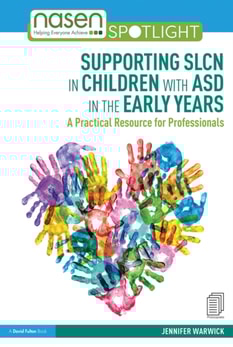
With growing numbers of children with autism spectrum disorder (ASD) being diagnosed in the early years, it is becoming increasingly important for education and health professionals to understand ASD and to implement supportive strategies as part of the everyday curriculum and routine.
With growing numbers of children with autism spectrum disorder (ASD) being diagnosed in the early years, it is becoming increasingly important for education and health professionals to understand ASD and to implement supportive strategies as part of the everyday curriculum and routine.
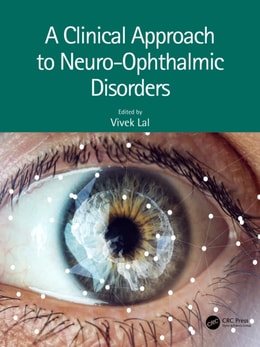
Neuro-ophthalmology is a merged subspecialty of neurology and ophthalmology dealing with complex multisystem diseases presenting with visual manifestations.
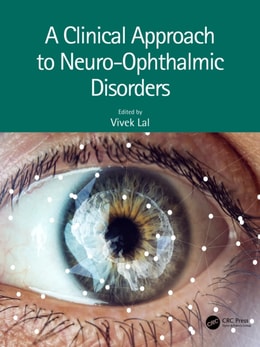
Neuro-ophthalmology is a merged subspecialty of neurology and ophthalmology dealing with complex multisystem diseases presenting with visual manifestations.
The particular needs of people with progressive long-term neurological conditions - including Parkinson's Disease, Motor Neurone Disease (MND), Multiple Sclerosis (MS) and Huntington's disease - may make care delivery and planning the last stages of life ethically, practically and clinically challenging.
The study of the brain-mind complex has been hampered by the dichotomy between objective biological neuroscience and subjective psychological science, based on speculative topographic models and psychodynamics formulations.
A noted neuroscientist reveals groundbreaking research on how fitness and exercise can combat mental health conditions such as anxiety, dementia, ADHD, and depression, and offers a plan for improving focus, creativity, and sleep.
In An Anthropologist on Mars Oliver Sacks uses case studies to illustrate the myriad ways in which neurological conditions can affect our sense of self, our experience of the world, and how we relate to those around us.
Effects of Peri-Adolescent Licit and Illicit Drug Use on the Developing CNS: Part II, Volume 161, in the International Review on Neurobiology serial highlights new advances, with this volume presenting chapters on topics including Introduction to Effects of Peri-Adolescent Licit and Illicit Drug Use on the Developing CNS, Peri-adolescent Exposure to (Meth)amphetamine in Animal Models, The Impact of Adolescent Nicotine Exposure on Alcohol Use During Adulthood: The Role of Neuropeptides, Cannabis Exposure During Adolescence: A uniquely Sensitive Period for Neurobiological Effects, The Stoned Age: Sex Differences in the Effects of Adolescent Cannabinoid Exposure on Prefrontal Cortex Structure and Function in Animal Models, and more.
Microbiome in Neurological Disease, Volume 167 in the International Review of Neurobiology series, highlights new advances in the field, with this new volume presenting interesting chapters written by an international board of authors.
Covid-19 and Parkinsonism, Volume 165 in the International Review in Neurobiology series, highlights new advances in the field with this new volume presenting interesting chapters that cover a variety of topics, including Parkinsonism associated with viral infections, Covid-19 and nervous system pathology: bench to bedside, Prevalence of Covid-19 in Parkinson's Disease: acute settings and hospital, Covid-19 and Parkinson's Disease: clinical features, long COVID, Smell deficits in Covid-19 and possible links with Parkinson's Disease, Spotlight on non-motor symptoms and Covid-19, and a Summary of treatment paradigms in Parkinson's Disease patients and Covid-19.
Cell Transplantation and Gene Therapy in Neurodegenerative Disease, Volume 166 in the International Review of Neurobiology series, highlights new advances in the field with this new volume presenting interesting chapters written by an international board of authors who cover Challenges in translating a cell therapy to GMP, The challenges in developing a cell therapy for Huntington's disease, Challenges of cell therapies for retinal diseases, Challenges of gene therapy in Huntington's Disease, Technological advances and barriers to gene therapy, Considerations in the development of cell therapy modulation for spinal cord injury treatment, Challenges of developing glial cell therapy for ALS, and more.
The Neurobiology of the Gilles de la Tourette Syndrome and Chronic Tics, Part B, Volume Four reviews historical background, current nosology and guidelines.
The Neurobiology of the Gilles de la Tourette Syndrome and Chronic Tics, Volume Three reviews historical background and current nosology and guidelines.
Zika Virus Biology, Transmission, and Pathways: The Neuroscience of Zika, Volume One provides a detailed introduction to the molecular biology of the Zika virus and its features, transmission, and impact on neurological systems.
Year One of Practice Transition: The Necessary Guide to Success is a practical guide for both established physicians transitioning from one practice opportunity to another, and those transitioning from formal residency or fellowship training.
Methodological Approaches for Sleep and Vigilance Research examines experimental procedures used to study the sleep-wake cycle, with topics covered by world leaders in the field.
Neurobiology of Brain Disorders: Biological Basis of Neurological and Psychiatric Disorders, Second Edition provides basic scientists a comprehensive overview of neurological and neuropsychiatric disease.
Handbook of Animal Models in Neurological Disorders will better readers' understanding of a large variety of animal models and their applicability in studying a number of neurological disorders.
Mechanisms of Cell Death and Approaches to Neuroprotection/Disease Modification in Parkinson's Disease explores the results of numerous studies surrounding in vitro and animal model evidence that looks at the impact of a-synucleinopathy on neuronal dysfunction and behavioral impairments, (ii) how research in animal models supports the development of therapeutic strategies, and (iii) how findings in animal models might relate to the disease process in humans.
Tremors, Volume 163 in the International Review in Neurobiology serial highlights new advances in the field, with this new volume presenting interesting chapters.
An AGI Brain for a Robot is the first and only book to give a detailed account and practical demonstration of an Artificial General Intelligence (AGI).
Successfully correlate electrodiagnostic findings and neuromuscular ultrasound with key clinical findings with Electromyography and Neuromuscular Disorders, 4th Edition.
Fluid Environment of the Brain presents the proceedings of a symposium held in Bar Harbor, Maine in September 1974 under the joint sponsorship of the Mount Desert Island Biological Laboratory and the National Cancer Institute.
Central Cholinergic Systems and behavior reviews experimental evidence on the possible involvement of central cholinergic systems in the regulation of animal behavior.