Dieses Lehr- und Praxisbuch liefert Therapeuten, Pädagogen und Angehörigen von Pflegeberufen die perfekte Grundlage für die umfassende Betreuung von Patienten mit komplexen neuromotorischen Erkrankungen.
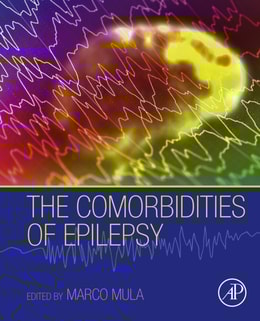
Epilepsy is one of most frequent neurological disorders affecting about 50 million people worldwide and 50% of them have at least another medical problem in comorbidity; sometimes this is a the cause of the epilepsy itself or it is due to shared neurobiological links between epilepsy and other medical conditions; other times it is a long-term consequence of the antiepileptic drug treatment.
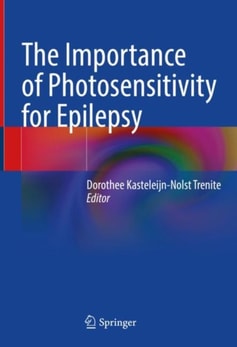
This book offers a detailed account of all aspects of photosensitive epilepsy, including genetic testing, functional imaging (fMRI, MEG), pharmacological studies, animal studies, classification based on the occurrence of photoparoxysmal responses (PPRs) in different epilepsy syndromes, and the available prevention and treatment options.
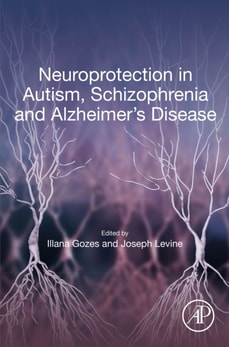
Neuroprotection in Autism, Schizophrenia and Alzheimer's Disease provides an up-to-date overview on recent clinical studies and the similarities discovered in the most prevalent brain disorders.
Intermittent Explosive Disorder: Etiology, Assessment, and Treatment provides a complete overview on this disorder, focusing on its etiology, how the disorder presents, and the clinical assessment and treatment methods currently available.
Non-motor Parkinson's: The Hidden Face, Volume 133, the first part of the latest volume in the International Review of Neurobiology series, is an up-to-date, comprehensive textbook addressing the non-motor aspects of Parkinson's disease, a key unmet need.
Case Formulation for Personality Disorders provides clinical guidance on how to build effective treatment plans for patients presenting with personality disorders.
Contemporary Psychodynamic Psychotherapy: Evolving Clinical Practice covers the latest applications of psychodynamic therapy for a range of clinical issues, including depression, anxiety, psychosis, borderline personality and trauma.
Direct versus Indirect Realism: A Neurophilosophical Debate on Consciousness brings together leading neuroscientists and philosophers to explain and defend their theories on consciousness.
Neuroblastoma: Molecular Mechanisms and Therapeutic Interventions comprehensively reviews current concepts in molecular and histopathological mechanisms that influence the growth of human malignant neuroblastoma, along with exciting therapeutic interventions.
Developing Therapeutics for Alzheimer's Disease: Progress and Challenges provides a thorough overview of the latest advances toward the development of therapeutics for Alzheimer's disease, along with the major hurdles that still must be overcome and potential solutions to these problems.
Functional Neurologic Disorders, the latest volume in the Handbook of Clinical Neurology series, summarizes state-of-the-art research findings and clinical practice on this class of disorders at the interface between neurology and psychiatry.
Nicotine Use in Mental Illness and Neurological Disorders, a volume in the International Review of Neurobiology series, is a comprehensive overview of the state-of-the-art research into nicotine use in mental illness and neurological disorders.
Pio del Rio-Hortega, one of the pioneering neuroscientists and discoverer of microglia, has been recognized as one of the most important Spanish neurohistogists of the past century.
The 2e of the gold standard text in the field, Nonhuman Primates in Biomedical Research provides a comprehensive, up-to-date review of the use of nonhuman primates in biomedical research.
Autism is no longer considered a rare disease, and the Center for Disease Control now estimates that upwards of 730,000 children in the US struggle with this isolating brain disorder.
Inflammation is a central mechanism in many neurological diseases, including stroke, multiple sclerosis, and brain trauma as well as meningitis and contributes to the generation of pain.
Timely diagnosis and management of neurological diseases during pregnancy poses major therapeutic challenges to neurologists and other non-neurologist health care providers.
The only comprehensive source of information on this frequently misdiagnosed problem, with information critical for physicians, ER and ICU doctors, and psychiatrists.
This volume is the third in a series developed under the auspices of the World Federation of Neurology to meet the needs of neurologists who must practice medicine without many of the advantages that are often taken for granted in the industrialized world.
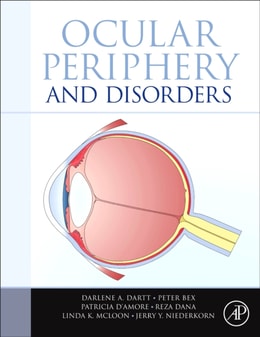
This selection of articles from the Encyclopedia of the Eye is the first single-volume overview presenting articles on the function, biology, physiology, and pathology of the structures of the ocular periphery, as well as the related disorders and their treatment.
A book that fundamentally changes how neuroscientists and psychologists categorize sensations and understand the origins and significance of human feelingsHow Do You Feel?
A groundbreaking theory of what makes the human mind uniqueThe Recursive Mind challenges the commonly held notion that language is what makes us uniquely human.
Animal and Translational Models for CNS Drug Discovery combines the experience of academic, clinical and pharmaceutical neuroscientists in a unique collaborative approach to provide a greater understanding of the relevance of animal models of neuropsychiatric disorders and their role as translational tools for the discovery of CNS drugs being developed for the treatment of these disorders.
Developing Therapeutics for Alzheimer's Disease: Progress and Challenges provides a thorough overview of the latest advances toward the development of therapeutics for Alzheimer's disease, along with the major hurdles that still must be overcome and potential solutions to these problems.
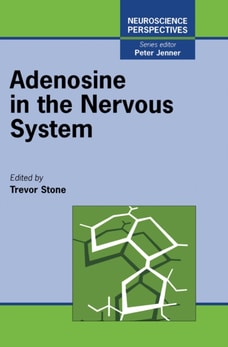
This volume in a series on neuroscience provides an overview of the last 20 years of research into the biochemistry, physiology,pharmacology and clinical therapeutic potential of adenosine and its analogues in the nervous system.
Neurostimulation for Epilepsy: Advances, Applications, and Opportunities comprehensively reviews the diverse array of neurostimulation technologies currently in use and in development for the treatment of epilepsy.
New trends in mental healthcare practice and a rapid increase in the aged population are causing an explosion in the fields of clinical gerontology and geropsychology today.
At a time when the mental health difficulties/disorders of the elderly are coming to the fore of many practitioners' patient rosters, naming and treating those problems is still too often handled as an art as much as a science.
This volume assists practicing mental health professionals in expanding their knowledge about nutritional and herbal interventions that can be attempted as alternatives to prescription medications.
Development of the Nervous System presents a broad outline of neural development principles as exemplified by key experiments and observations from past and recent times.
There has been a dramatic increase in the perception of the value of animal cell biotechnology to the research and manufacturing communities in recent years.
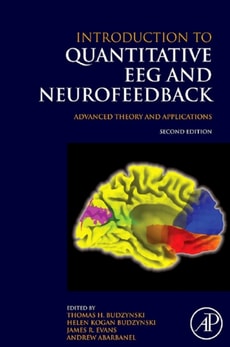
The study of Quantitative EEGs and Neurofeedback offer a window into brain physiology and function via computer and statistical analyses, suggesting innovative approaches to the improvement of attention, anxiety, mood and behavior.
Positive psychology - essentially the scientific study of the strengths that enable individuals and communities to thrive - is a relatively new discipline that has experienced substantial growth in the last 5-10 years.
Animal and Translational Models for CNS Drug Discovery combines the experience of academic, clinical and pharmaceutical neuroscientists in a unique collaborative approach to provide a greater understanding of the relevance of animal models of neuropsychiatric disorders and their role as translational tools for the discovery of CNS drugs being developed for the treatment of these disorders.