Advocating for dementia for 20 years, Christine Bryden has been instrumental in ensuring that people with dementia are included in discussions about the condition and how to manage and think about it.
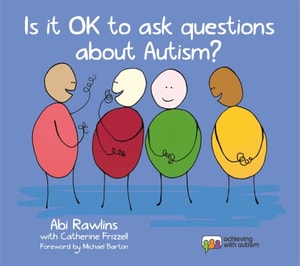
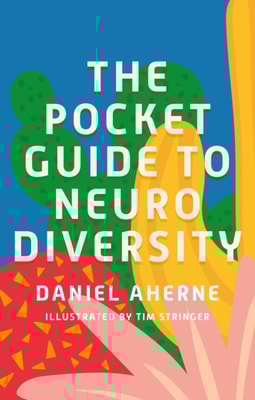
Discussions with school children aged 5-11 reveal that there is still a degree of uncertainty amongst students about whether it is ok to ask questions about autism.
How can carers and relatives support a person's identity, relationships and emotional wellbeing through changes that occur in the later stages of dementia?
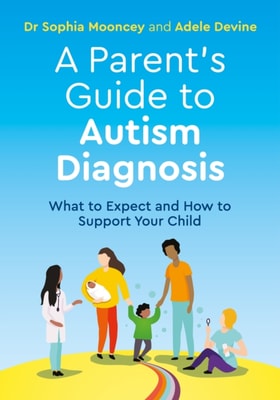
This book provides a comprehensive outline of the major parent training programs for parents of children with intellectual or developmental disabilities (IDD), including Autism Spectrum Disorder.
For Alison, life with her son Daniel sometimes seemed like an endless round of difficulties: disobedience, backchat, rudeness, name-calling and aggression.
"e;So while the assumption when I was born was that I was or would grow up to be a neurotypical heterosexual boy, that whole idea didn't really pan out long term.
This practice-focussed resource shows dementia care professionals how to harness resilience in their daily practice when working with people living with dementia.
*Shortlisted for the Michael Ramsay Prize 2019*In this groundbreaking book, Jill Harshaw explores the spiritual experiences of people with profound intellectual disabilities with regard to their capacity to enjoy life-giving spiritual experiences in their own right.
This graphic novel re-telling of Kathy Hoopmann's best-selling Blue Bottle Mystery brings the much-loved fantasy story to life for a new generation of readers.
Examining recent research and practice on reminiscence, life review and life story work, this book offers critical accounts of the rapidly growing and extensive global literature, and highlights the continuing relevance and effectiveness of these therapeutic methods.
Naming Adult Autism is one of the first critiques of cultural and medical narratives of Autism to be authored by an adult diagnosed with this condition.
This step-by-step manual explains how to adapt CBT (Cognitive Behaviour Therapy) approaches to OCD (Obsessive Compulsive Disorder) for autistic children and adults.
Full of simple strategies for happiness in children and teens with autism, this book is a must read for anyone dedicated to the wellbeing of a child on the spectrum.
Written by and for teens and young adults with Nonverbal Learning Disabilities (NLD), as well as for their parents, teachers, therapists, and others who care about them, and backed by the latest neuropsychological research, NLD from the Inside Out offers hundreds of useful tips on: - Organization and planning, including study skills- How to successfully navigate the transition from dependent child to independent adult - Creating more harmonious family and peer relationships- Changing disabling attitudes.
Addressing the full spectrum of theoretical output associated with autism and Asperger syndrome, this is the complete guide to autism theory - spanning from mainstream and alternative, through to non-autism specific theories that might be applied to autism.
The late teens and twenties are exciting times, but filled with potential pitfalls as young people navigate the transition into independent adult life.
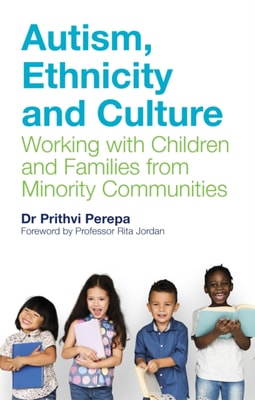
Autism affects all ethnicities, yet professionals do not always have the skills required to support the diverse needs of autistic young people and their families from different communities.
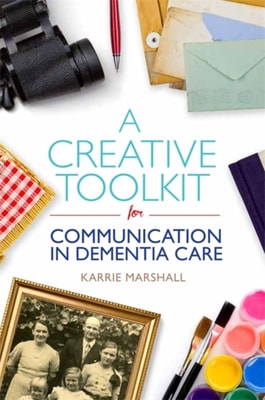
Effective communication is critical for everyone, and this insightful book teaches the skills needed by healthcare staff in their day-to-day interactions with people with dementia and their families.
The book outlines a range of non-pharmacological therapies clinicians can adopt in their daily practice and sets out information and advice on each therapy and how to implement them in practice, illustrated with case studies and practical examples and drawing on the author's own clinical work.
Presenting simple and cost-effective solutions for maintaining and improving mealtime abilities, this book discusses the practical aspects of eating and drinking as part of person-centred dementia care.
Pathological Demand Avoidance (PDA) presents a unique challenge for professionals, whereby conventional therapy methods are often perceived as demands and met with opposition where they normally would have proven effective.
Almost 80% of autistic people have a co-occurring mental health condition, and this powerful book puts their voices front and centre, showcasing the human experience beyond the medicalised language and diagnoses.
This is a book written to celebrate the humanity of people, and to share experiences of what brilliant care and support can look like for families with learning disabled or autistic children and adults.
Written by autistic trans people from around the world, this vital and intimate collection of personal essays reveals the struggles and joys of living at the intersection of neurodivergence and gender diversity.
This new edited volume seeks to meet the growing need for ways to support people with dementia across the whole course and trajectory of dementia care, with a wide scope of expertise.
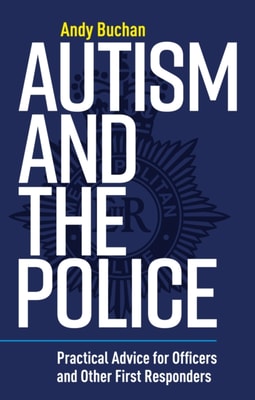
This is a practical guide for police officers and other first responders written by an autistic retired policeman, designed to demystify autistic behaviours and improve the treatment of autistic people caught up in the criminal justice system.