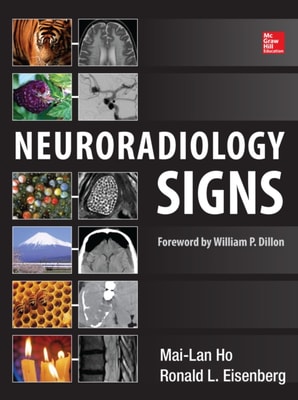
A COMPREHENSIVE, FULL-COLOR GUIDE TO NEURORADIOLOGY SIGNS ACROSS ALL IMAGING MODALITIESThe first book of its kind, Neuroradiology Signs provides a multimodality review of more than 440 neuroradiologic signs in CT, MR, angiography, radiography, ultrasound, and nuclear medicine.
*A new book in the Basic Concepts series*Explains the fundamental principles of neuroscience and helps students organize and condense the material they need to study*Level of the material progressively builds from simple to complex, enabling mastery of concepts*Content is presented in simple, jargon-free language*Critical need-to-know information is highlights in boxes*Numerous tables and charts help compare and contrast key information
The accelerating advancement in research in neurodevelopmental disorders -- including autism spectrum disorders, attention-deficit/hyperactivity disorder, learning disorders, and more -- has enormous implications for clinical practice.
Intimate self-touch and masturbation can pose many difficulties for people with learning disabilities and/or on the autistic spectrum, particularly when it happens in public settings.
This book teaches drama and immersive theatre-based activities for parents and professionals working with children and young people on the autism spectrum.
Expert author Elizabeth Ives Field combines over four decades of working in the autism field to provide functional, in-depth teaching strategies for children on the spectrum who struggle with communication.
This highly practical book is an accessible and grounded handbook for addressing challenging behaviour in children and adults with intellectual or developmental disabilities (IDD), including autism.
Luke Jackson's unabridged and sparkling sequel to his best-selling user guide to adolescence Freaks, Geeks and Asperger Syndrome is the must-read handbook for teenagers and young adults on the autism spectrum.
This complete guide to LEGO(R) Therapy contains everything you need to know in order to set up and run a LEGO(R) Club for children with autism spectrum disorders or related social communication difficulties and anxiety conditions.
Essential Clinically Applied Anatomy of the Peripheral Nervous System in the Limbs is designed to combine the salient points of the anatomy of the PNS with typical pathologies affecting the nerves of the upper and lower limbs.
This well-established international series examines major areas of basic and clinical research within neuroscience, as well as emerging and promising subfields.
Drug Discovery Approaches for the Treatment of Neurodegenerative Disorders: Alzheimer's Disease examines the drug discovery process for neurodegenerative diseases by focusing specifically on Alzheimer's Disease and illustrating the paradigm necessary to ensure future research and treatment success.
More than 50 years have passed since the use of L-dopa in the palliative treatment of Parkinson's disease, but it remains the most common treatment despite inducing severe side effects such as dyskinesia after 4-6 years of use.
In the growing field of neuro-oncology, the past few years have witnessed rapid advances in tumor classification, treatment modalities, and the role of neurologists and neuro-oncologists.
Für all diejenigen Ärzte, die sich in das Thema Schlaganfall einarbeiten möchten, ohne dabei zu sehr ins Detail zu gehen, gibt es ELSEVIER ESSENTIALS Schlaganfall.
Aminopyridines and Similarly Acting Drugs: Effects on Nerves, Muscles and Synapses presents the proceedings of a IUPHAR Satellite Symposium in conjunction with the eighth International Congress of Pharmacology held in Paris, France on July 27-29, 1981.
Curcumin for Neurological and Psychiatric Disorders: Neurochemical and Pharmacological Properties focuses on the different molecular mechanisms underlying curcumin-mediated beneficial effects in neurological diseases.
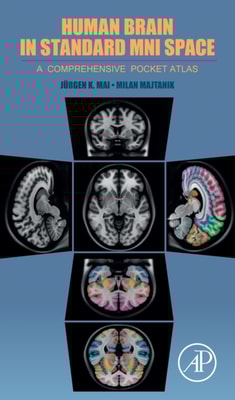
Human Brain in Standard MNI Space: A Comprehensive Pocket Atlas is a thorough pocket atlas designed for easy reference and interpretation of medical and scientific MR-images.
Cerebral Dural Arteriovenous Fistulas serves as an authoritative, comprehensive resource for these vascular lesions, describing their anatomy, diagnosis, natural history, and thorough treatment options.
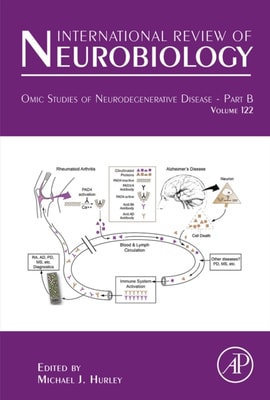
Omic Studies of Neurodegenerative Disease: Part B is part of a well-established international series on neuroscience that examines major areas of basic and clinical research, along with emerging and promising subfields.
The second edition of The Neurology of Consciousness is a comprehensive update of this ground-breaking work on human consciousness, the first book in this area to summarize the neuroanatomical and functional underpinnings of consciousness by emphasizing a lesional approach offered by the study of neurological patients.
Salience Network of the Human Brain focuses on the multiple sources of stimuli that compete for our attention, providing interesting discussions on how the relative salience-importance or prominence-of each of these inputs determines which ones we choose to focus on for more in-depth processing.
New Trends in Basic and Clinical Research of Glaucoma: A Neurodegenerative Disease of the Visual System - Part B is the latest volume from Progress in Brain Research focusing on new trends in basic and clinical research of glaucoma.
Introduction to EEG- and Speech-Based Emotion Recognition Methods examines the background, methods, and utility of using electroencephalograms (EEGs) to detect and recognize different emotions.
Fragile X Syndrome: From Genetics to Targeted Treatment provides a structured overview of the molecular and clinical background of the disorder as well as treatment options.
On May 4, 1993, Cuba asked the international health community and the World Health Organization (WHO) to find the cause of a mysterious epidemic of blindness that was spreading uncontrollably.
Few areas of biomedical research provide greater opportunities for radically new therapies for devastating diseases that have evaded treatment so far than gene therapy.
This widely acclaimed serial contains authoritative reviews that address all aspects of organometallic chemistry, a field which has expanded enormously since the publication of Volume 1 in 1964.