Today our emergency care system faces an epidemic of crowded emergency departments, patients boarding in hallways waiting to be admitted, and daily ambulance diversions.
After-school programs, scout groups, community service activities, religious youth groups, and other community-based activities have long been thought to play a key role in the lives of adolescents.
Mental health and substance use disorders among children, youth, and young adults are major threats to the health and well-being of younger populations which often carryover into adulthood.
The National Children's Study (NCS) is planned to be the largest long-term study of environmental and genetic effects on children's health ever conducted in the United States.
At a time when lesbian, gay, bisexual, and transgender individualsoften referred to under the umbrella acronym LGBTare becoming more visible in society and more socially acknowledged, clinicians and researchers are faced with incomplete information about their health status.
The Patient Protection and Affordable Care Act (ACA), which was signed into law in 2010, has several provisions that could greatly improve the behavioral health of children and adolescents in the United States.
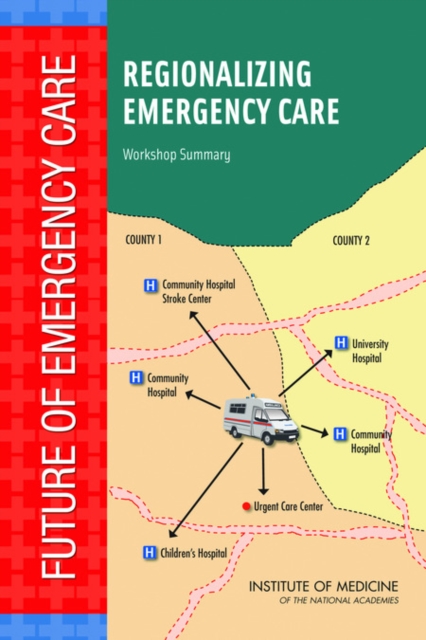
During medical emergencies, hospital staff and emergency medical services (EMS) providers, can face barriers in delivering the fastest and best possible care.
Emergency Medical Services (EMS) is a critical component of our nations emergency and trauma care system, providing response and medical transport to millions of sick and injured Americans each year.
Today our emergency care system faces an epidemic of crowded emergency departments, patients boarding in hallways waiting to be admitted, and daily ambulance diversions.
Mental health and substance use disorders among children, youth, and young adults are major threats to the health and well-being of younger populations which often carryover into adulthood.
Once dismissed by the medical profession as a purely cosmetic problem, obesity now ranks second only to smoking as a wholly preventable cause of death.
After-school programs, scout groups, community service activities, religious youth groups, and other community-based activities have long been thought to play a key role in the lives of adolescents.
Emergency Medical Services (EMS) is a critical component of our nations emergency and trauma care system, providing response and medical transport to millions of sick and injured Americans each year.
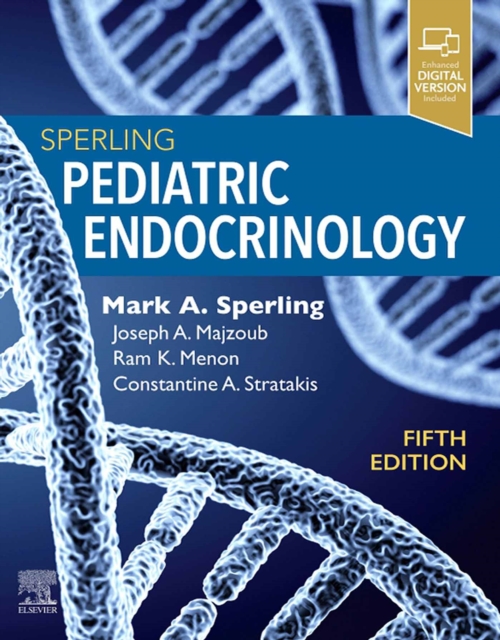
An ideal resource for both pediatricians and endocrinologists, Sperling's Pediatric Endocrinology, 5th Edition, brings you fully up to date with accelerating research; new discoveries in metabolic, biochemical and molecular mechanisms; and the resulting advances in today's clinical care.
The Institute of Medicine's (IOM's) Roundtable on Research and Development of Drugs, Biologics, and Medical Devices evolved from the Forum on Drug Development, which was established in 1986.
Recent scientific evidence points to the origins of childhood obesity as an outcome of the dynamic interplay of genetic, behavioral, and environmental factors throughout early development, with a compelling body of evidence suggesting that both maternal and paternal nutritional and other exposures affect a child's risk of later obesity.
Although the general public in the United States assumes children to be generally healthy and thriving, a substantial and growing number of children have at least one chronic health condition.
Recommendations for feeding infants and young children have changed substantially over time owing to scientific advances, cultural influences, societal trends, and other factors.
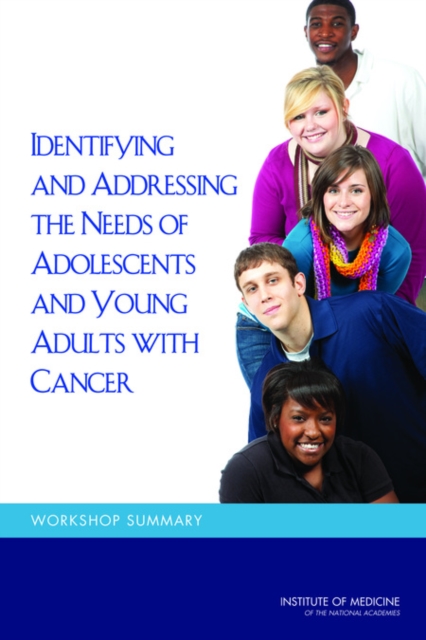
Identifying and Addressing the Needs of Adolescents and Young Adults with Cancer is the summary of a workshop convened by the Institute of Medicine's National Cancer Policy Forum in July 2013 to facilitate discussion about gaps and challenges in caring for adolescent and young adult cancer patients and potential strategies and actions to improve the quality of their care.
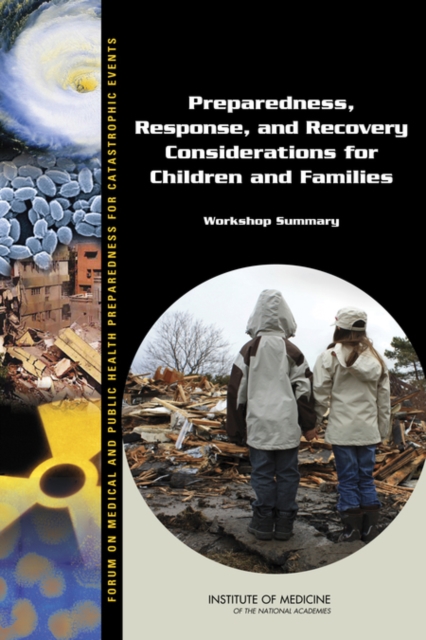
Preparedness, Response and Recovery Considerations for Children and Families is the summary of a workshop convened in June, 2013 by the Institute of Medicine Forum on Medical and Public Health Preparedness for Catastrophic Events to discuss disaster preparedness, response, and resilience relative to the needs of children and families, including children with special health care needs.
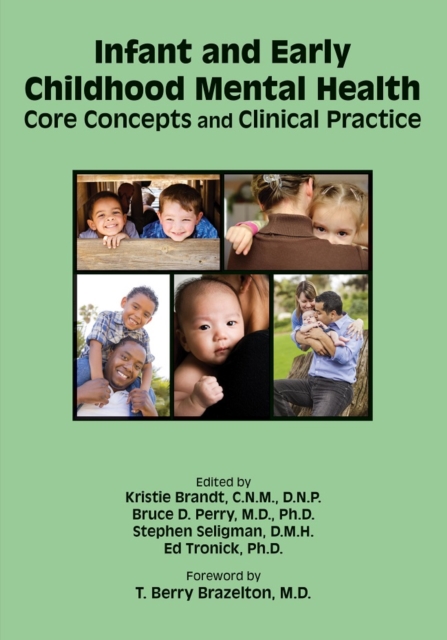
Infant and Early Childhood Mental Health: Core Concepts and Clinical Practice is a groundbreaking book that provides an overview of the field from both theoretical and clinical viewpoints.
An estimated 10 percent of children in the United States are living with disabilities, including a disproportionate number of children living in poverty and children of marginalized racial and ethnic groups.
An all new edition of the original Scut Monkey Handbook-the acclaimed survival guide for the wards and the clinic4 STAR DOODY'S REVIEW"e;This pocket reference is packed with information that is important for medical students and interns on a day-to-day basis.
Involvement with the juvenile justice system can impact young people's physical and mental health and well-being throughout their lives, as well as the health and well-being of their families and communities.
Much of the progress in the diagnosis, classification, and treatment of childhood hematological disorders has come from a partnership between clinicians and scientists.
Molecular biology has transformed prenatal diagnosis because it permits an accurate diagnosis to be made from very small quantities of fetal material, even single cells.
Das Praxismanual bietet sowohl Kinder- und Jugendärzten als auch Kinder- und Jugendpsychiatern und –Psychotherapeuten einen praxisnahen Leitfaden zur interdisziplinären Behandlung von funktionellen Magendarmstörungen im Kindes- und Jugendalter.
This book equips dental practitioners with all the information required in order to ensure successful endodontic treatment of children and adolescents.
This book provides an in-depth review of the knowledge of craniospinal arachnoid cysts, with emphasis on epidemiology, genetics, neuroimaging, clinical presentations, and operative management.
There can be a lack of understanding of the vulnerable situation of children with disabilities and their families, even among professional caregivers whose mission is to protect the health and wellbeing of these children.