This book is devoted to identifying the precursors of adolescents' health problems and risk taking behaviors and the developmental processes that accompany them.
This book is devoted to identifying the precursors of adolescents' health problems and risk taking behaviors and the developmental processes that accompany them.
This book focuses on the application of behaviour genetic approaches to twin studies, and reviews diagnostic to Attention Deficit Hyperactivity Disorder (ADHD), the relationships between reading, spelling and ADHD, and family and genetic influences on speech and speech and language.
This book focuses on the application of behaviour genetic approaches to twin studies, and reviews diagnostic to Attention Deficit Hyperactivity Disorder (ADHD), the relationships between reading, spelling and ADHD, and family and genetic influences on speech and speech and language.
A unique and innovative resource for conducting ethnographic research in health care settings, Ethnographic Research in Maternal and Child Health provides a combination of ethnographic theory and an international selection of empirical case studies.
A unique and innovative resource for conducting ethnographic research in health care settings, Ethnographic Research in Maternal and Child Health provides a combination of ethnographic theory and an international selection of empirical case studies.
Originally published in 1983, in the two decades prior to publication, specialised neonatal units for the treatment of sick or preterm babies had been set up in most major neonatal centres.
Originally published in 1983, in the two decades prior to publication, specialised neonatal units for the treatment of sick or preterm babies had been set up in most major neonatal centres.
Developmental Disorders of the Brain: Brain and Behaviour addresses disabilities that occur or have their roots in the early, developmental phase of life which are of utmost concern to parents, siblings, carers and teachers.
Developmental Disorders of the Brain: Brain and Behaviour addresses disabilities that occur or have their roots in the early, developmental phase of life which are of utmost concern to parents, siblings, carers and teachers.
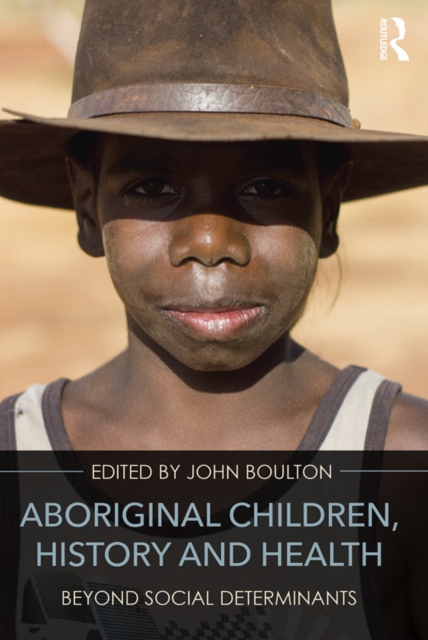
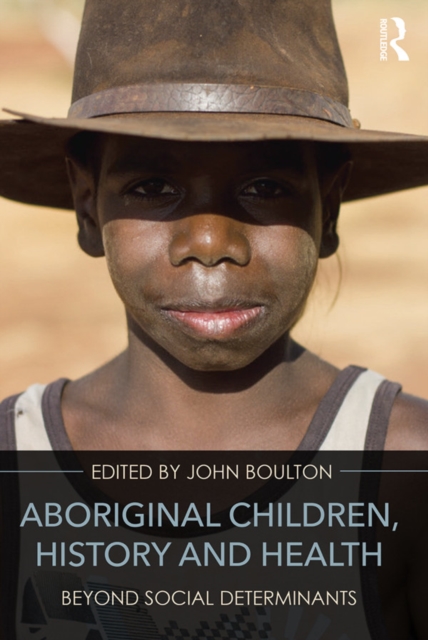
This volume traces the complex reasons behind the disturbing discrepancy between the health and well-being of children in mainstream Australia and those in remote Indigenous communities.
This volume traces the complex reasons behind the disturbing discrepancy between the health and well-being of children in mainstream Australia and those in remote Indigenous communities.
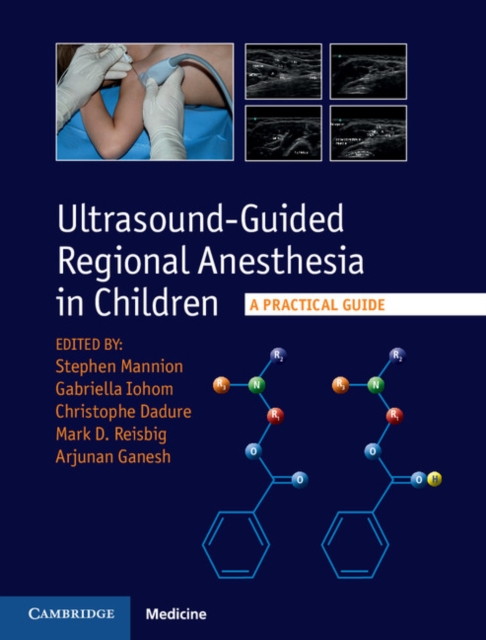
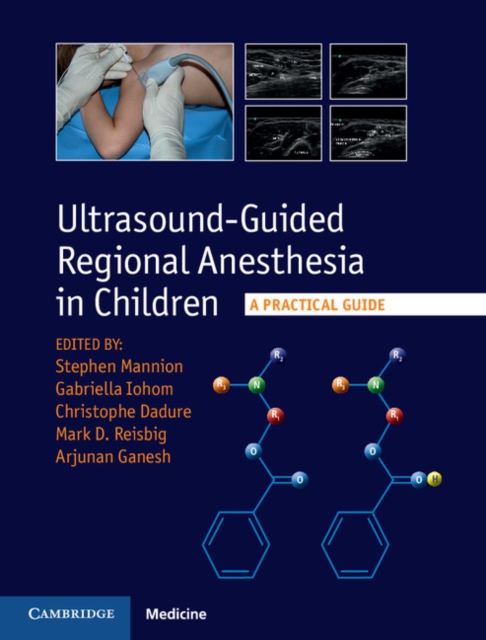
The most comprehensive resource available on pediatric ultrasound-guided regional anesthesia, covering core principles and practical guidance for all major blocks.
The most comprehensive resource available on pediatric ultrasound-guided regional anesthesia, covering core principles and practical guidance for all major blocks.
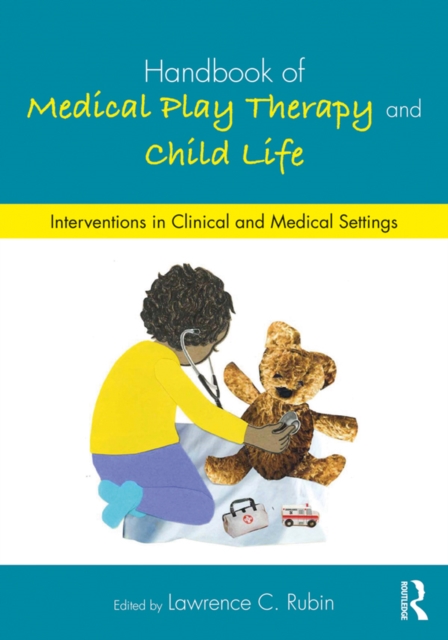
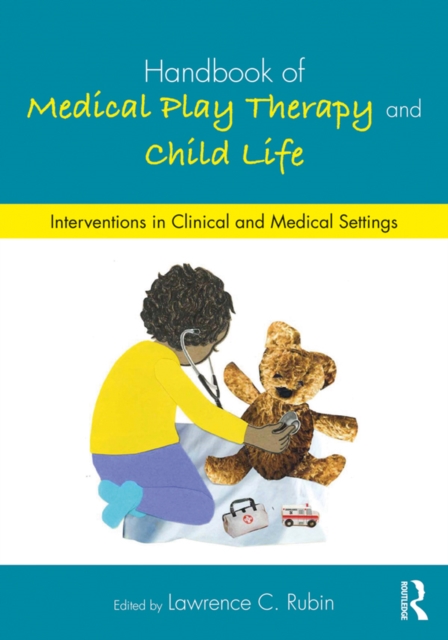
The Handbook of Medical Play Therapy and Child Life brings together the voices and clinical experiences of dedicated clinical practitioners in the fields of play therapy and child life.
The Handbook of Medical Play Therapy and Child Life brings together the voices and clinical experiences of dedicated clinical practitioners in the fields of play therapy and child life.
This book helps general practitioners, health visitors and other professionals working in primary care to assess, manage and refer children and adolescents with mental health problems.
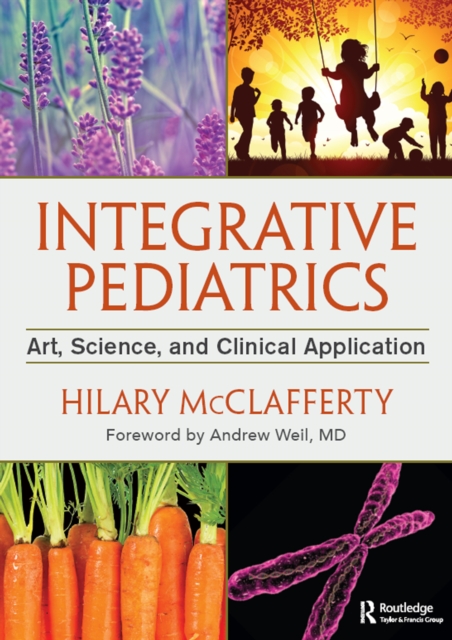
Pediatric integrative medicine is a rapidly evolving field with great potential to improve the quality of preventive health in children and expand treatment options for children living with chronic disease.
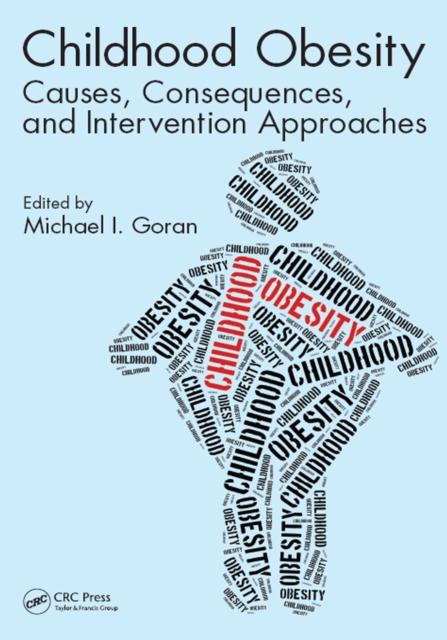
Childhood obesity has reached epidemic proportions in the United States and continues to increase in prevalence in almost all countries in which it has been studied, including developed and developing countries around the globe.
Previous editions of "e;The Child Surveillance Handbook"e; have built its reputation as the essential reference guide for GPs, health visitors and other members of the healthcare team in primary care.
The involvement of children and young people in consultations about aspects of their health or illness is often limited, with their role in diagnosis and decision-making on treatment options secondary to that of parents or carers.
This brand new revision aid has been designed as a companion to the popular Mind Maps for Medical Students, from the same author, to help medical students memorize essential facts in the key specialty areas of psychiatry, obstetrics & gynaecology, paediatrics, ophthalmology, ENT, dermatology and orthopaedics.
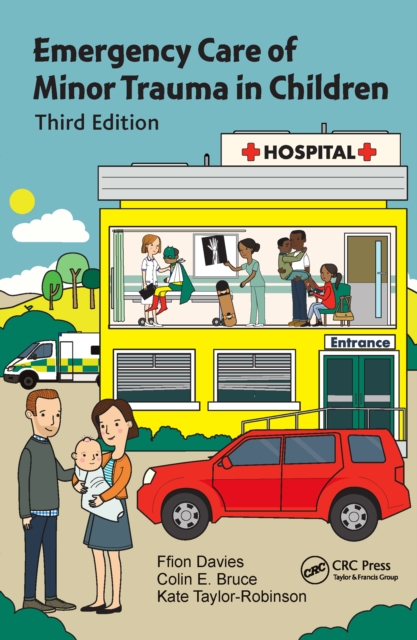
Succinct and highly illustrated, the third edition of this handy pocket guide enables practitioners to successfully manage common minor injuries in children at the point of care.
This book provides practical guidelines for all those who in the course of their work are involved in the terminal care of children or supporting those affected by the death of a child.
Research has demonstrated that children with cancer and their parents regards procedure-related pain as one of the most difficult parts of having cancer, and their distress continues years after the completion of anti-cancer treatment.
Self-help organizations have an increasingly important role in helping patients, so that doctors can concentrate on those who need their medical skills.
The new edition of this best-selling title from the popular 100 cases series explores common paediatric scenarios that will be encountered by the medical student and junior doctor during practical training on the ward, in the emergency department, in outpatient clinics and in the community, and which are likely to feature in qualifying examinations.
This sensible book draws on evidence-based data, provides updated evidence focusing on the impact of pregnancy complications on long-term morbidity of both mother and child and aims to give a clear and comprehensive set of tools for general practitioners counseling women in different stages of their lives.
This no-nonsense guide promotes a multidisciplinary approach to pain management in adolescent patients, acknowledging persistent pain is a complex biopsychosocial problem.