Over a period of almost 10 years, the work of the Project on Death in America (PDIA) played a formative role in the advancement of end of life care in the United States.
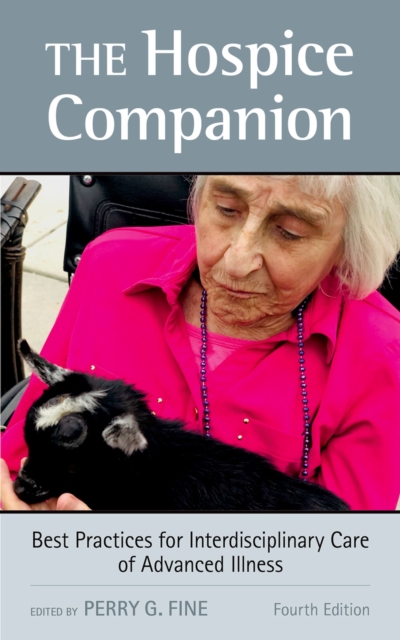
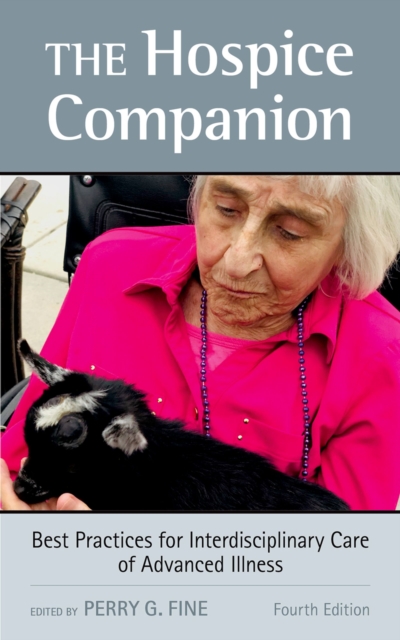
Hospice is the premiere end of life program in the United States, but its requirement that patients forgo disease-directed therapies and that they have a prognosis of 6 months or less means that it serves less than half of dying patients and often for very short periods of time.
Over recent decades, tremendous advances in the prevention, medical treatment, and quality of life issues in children and adolescents surviving cancer have spawned a host of research on pediatric psychosocial oncology.
The Art and Science of Compassion, A Primer offers a succinct, all-in-one introduction to the full gamut of compassion, from the evolutional, biological, behavioural, and psychological, to the social, philosophical, and spiritual.
The Art and Science of Compassion, A Primer offers a succinct, all-in-one introduction to the full gamut of compassion, from the evolutional, biological, behavioural, and psychological, to the social, philosophical, and spiritual.
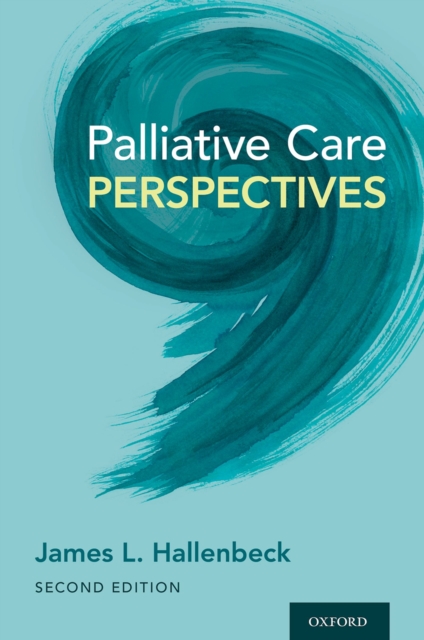
Palliative Care Perspectives is a guide to the art and science of palliative care that links real stories of illness with practical advice to delineate clinical practice in a way that reflects the daily concerns of clinicians.
Palliative Care Perspectives is a guide to the art and science of palliative care that links real stories of illness with practical advice to delineate clinical practice in a way that reflects the daily concerns of clinicians.
This new edition of the Practical Management of Complex Cancer Pain has been fully updated and expanded, with five new chapters on novel interventional techniques in cancer pain amelioration.
This new edition of the Practical Management of Complex Cancer Pain has been fully updated and expanded, with five new chapters on novel interventional techniques in cancer pain amelioration.
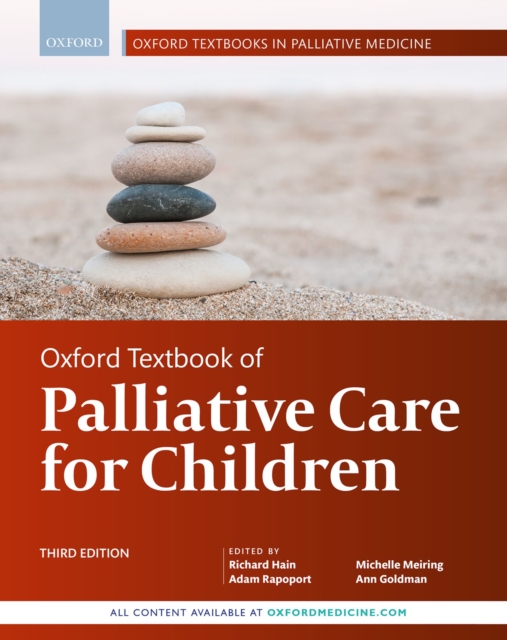
The importance of palliative care for children facing life threatening illness and their families is now widely acknowledged as an essential part of care, which should be available to all children and families, throughout the child's illness and at the end of life.
The Oxford Handbook for the Foundation Programme returns in a new edition to keep junior doctors, as well as their supervisors and senior medical students, up-to-date and give them the information and confidence they need to excel during and beyond the Foundation Programme.
The Oxford Handbook for the Foundation Programme returns in a new edition to keep junior doctors, as well as their supervisors and senior medical students, up-to-date and give them the information and confidence they need to excel during and beyond the Foundation Programme.
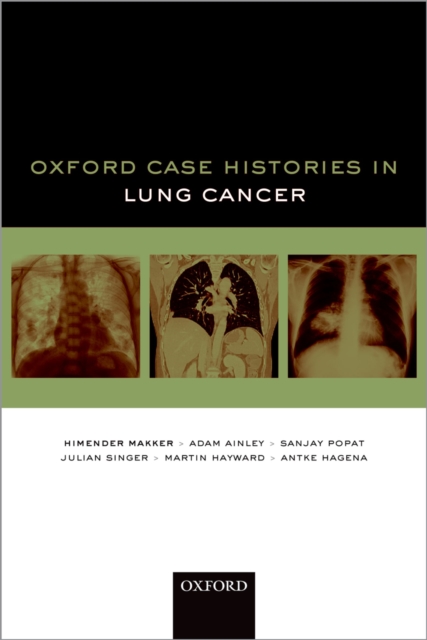
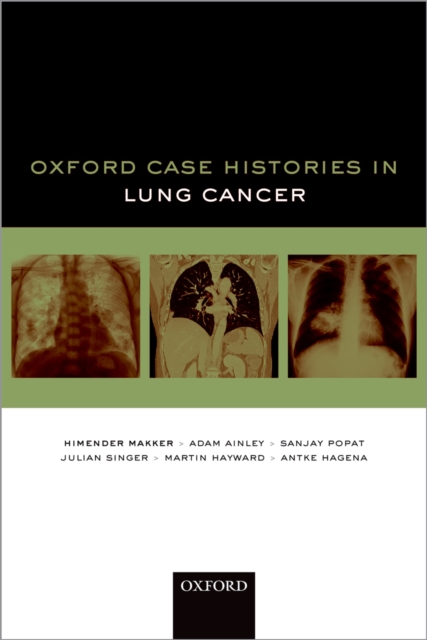
Oxford Case Histories in Lung Cancer contains a comprehensive selection of 40 clinical cases that reflects the multidisciplinary approach to the management of lung cancer.
Oxford Case Histories in Lung Cancer contains a comprehensive selection of 40 clinical cases that reflects the multidisciplinary approach to the management of lung cancer.
Now in its tenth edition, the Oxford Handbook of Clinical Medicine has been fully revised, with five new authors on the writing team bringing content fresh from the bedside.
Oxford Case Histories in Oncology contains 30 well-structured cases from clinical practice, giving a comprehensive coverage of the diagnostic and management dilemmas in oncology.
Oxford Case Histories in Oncology contains 30 well-structured cases from clinical practice, giving a comprehensive coverage of the diagnostic and management dilemmas in oncology.
Kidney Disease: From advanced disease to bereavement provides guidance to renal and palliative care professionals dealing with patients with advanced kidney disease, who are approaching end of life.
The effective management of pain from cancer is a top priority for patients, carers and healthcare professionals, and has been the subject of extensive research.