An interdisciplinary and multinational group of specialists present contributions describing the current status of vaccines against virally induced tumors and discuss the means by which they can be improved.
Provides expanded information which includes sections on historic background, current principles, and anticipated future changes, and consideration of the latest knowledge of human and veterinary medicine in the field of zoonoses.
Drug discovery for influenza antivirals Priorities for combating pandemic influenza include rapid detection and identification, the quick administration of available drugs to treat the infection, the development of new antivirals, and the development of vaccines.
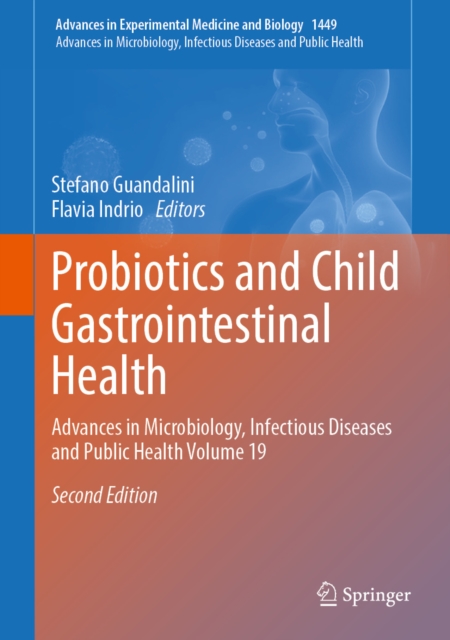
This fully updated second edition demonstrates the major impact that the gut microbiota has on human gastrointestinal health, with a special focus on children.
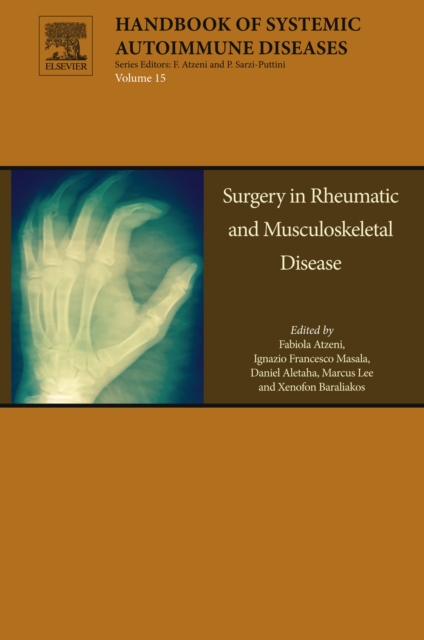
Surgery in Systemic Autoimmune Disease, Volume 15, describes the state-of-the-art of the use of surgery in treating the most common systemic autoimmune diseases (SADS).
Custom-designed for clinicians on the frontline of treatment and prevention of the human papillomavirus (HPV), this stand-alone handbook provides the scientific background needed to understand and administer the new HPV vaccines.
Until about 10 years ago, the general view in the field was that Mycobacterium tuberculosis, the causative agent of human tuberculosis was a "e;clone"e; with insufficient natural sequence variation between clinical strains to be considered biologically and epidemiologically "e;relevant"e;.
In this edition of the Emerging Infectious Diseases of the 21st Century Series, the editor reviews the research, diagnosis, and treatment of some common infections facing researchers, clinicians and family physicians such as sinusitis, otitis media and pertussis in adults.
Nearly a century of scientific research has revealed that mitochondrial dysfunction is one of the most common and consistent phenotypes of cancer cells.
Genetically-engineered mouse models for cancer research have become invaluable tools for studying cancer biology and evaluating novel therapeutic approaches.
As someone who has spent nearly half his life wondering about the relationship between Helicobacter and gastric cancer, I find this textbook on the subject exciting and timely.
There is now a pressing need to discuss the already described and newly emerging mechanisms to see how they can be put together in more or less cohesive structure and how they can help to improve immune response to tumors.
Information gathered from cell-free systems, cell cultures, animal models, and human studies, together will (1) provide important insights to our understanding of hormonal cancer causation, development, and prevention; (2) be the primary objective of these Symposia.
Each chapter will focus on the known molecular characteristics of specific childhood cancers, focusing on how the molecular 'drivers' can be exploited from a therapeutic standpoint with currently available targeted agents.
"e;The Networking of Chaperones by Co-chaperones"e; updates the current understanding of how chaperones are regulated and networked, and is a resource for those in the specialized field of cell stress and chaperones.
In this anthology, leading researchers present critical reviews of methods and high-impact applications in computational biology that lead to results that also non-bioinformaticians must know to design efficient experimental research plans.
DNA Repair and Human Disease highlights the molecular complexities of a few well-known human hereditary disorders that arise due to perturbations in the fidelity of diverse DNA repair machineries.
This book is a unique resource for state-of-the-art research findings on biotechnological innovations in the area of industrial and therapeutic enzymes, and special-function and extreme-nature enzymes such as ribozymes, therozymes, cold-adapted enzymes, etc, covering all aspects such as the producing micro-organisms, their mode of cultivation, downstream processing and applications.
Immune Mechanisms in Inflammatory Bowel Disease is a highly, concise update of the most recent advances in the immunobiology, genetics and microbiology related to Inflammatory Bowel Disease.
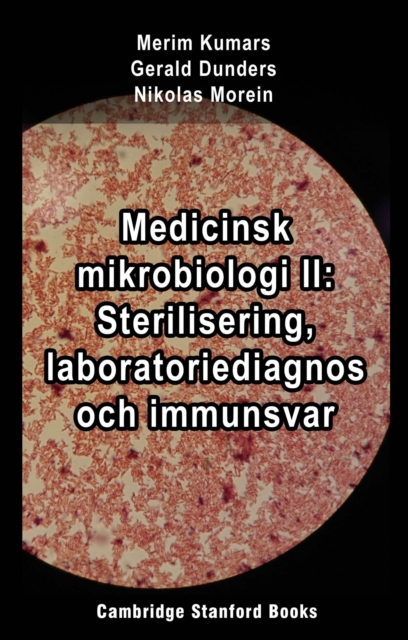
Clinical microbiologists are engaged in the field of diagnostic microbiology to determine whether pathogenic microorganisms are present in clinical specimens collected from patients with suspected infections.