The first edition of The Prokaryotes, published in 1981, took a bold step to become the most comprehensive and authoritative encyclopedic handbook on prokaryotes.
Food Quality Analysis: Applications of Analytical Methods Coupled With Artificial Intelligence provides different spectroscopic techniques and their application to food quality analysis, with the unique approach of adding multivariate analysis as well as artificial intelligence applications.
Nanotechnology Applications for Food Safety and Quality Monitoring brings together nanotechnology science-based research for food safety and quality monitoring.
Food Preservation and Safety of Natural Products addresses the most common causes of food spoilage that create significant loss to global food production while also discussing how food serves as a vehicle for the transmission of pathogenic microorganisms responsible for mild to debilitating health conditions in humans.
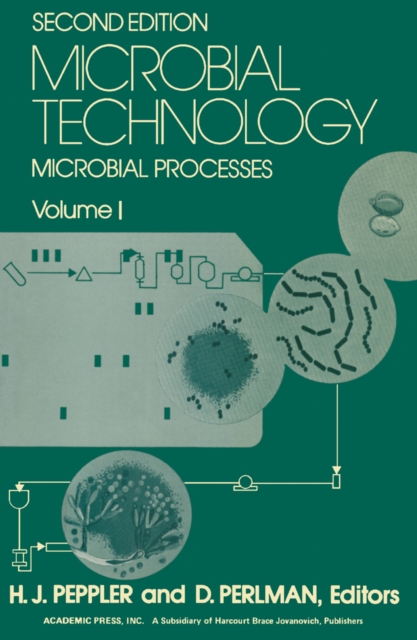
Microbial Technology: Microbial Processes, Volume 1, describes the production and uses of economic bacteria, yeast, molds, and viruses, and reviews the technologies associated with products of microbial metabolism.
Berry Fruits: Bioactives, Health Effects and Processing, Volume Eight in the Developments in Food Quality and Safety series, covers the most recent research on bioactives of berries, improvement of bioavailability and bioaccessibility of berry bioactives, processing of berries, and production of functional food ingredients obtained from berries.
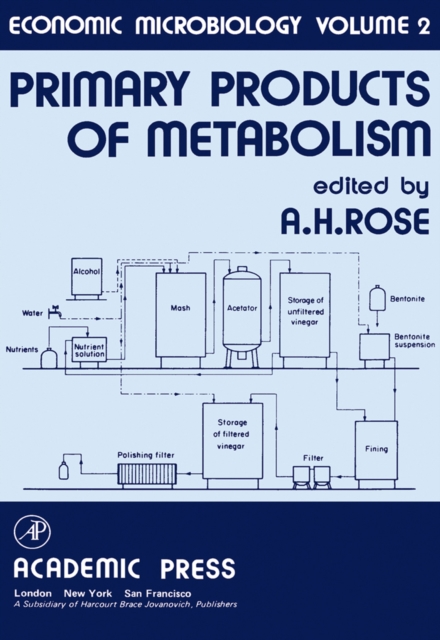
Economic Microbiology, Volume 2: Primary Products of Metabolism is part of a multi-volume series that aims to provide authoritative accounts of the many facets of exploitation and control of microbial activity.
Viruses and Environment contains the proceedings of the Third International Conference on Comparative Virology, held at Mont Gabriel, Quebec, Canada on May 1977.
Germfree Research: Biological Effect of Gnotobiotic Environments is an account of the Proceedings of the Fourth International Symposium on Germfree Research.
Bacterial Immunoglobulin-Binding Proteins, Volume 1: Microbiology, Chemistry, and Biology investigates the immunoglobulin and Fc-binding proteins that have been isolated and characterized from a wide array of microorganisms, including protein A from staphylococcus and protein G from streptococcus.
Understand the clinically important aspects of microbiology with this full-color reviewIncludes more than 20 case studiesThe twenty-seventh edition of Jawetz, Melnick & Adelberg s Medical Microbiology delivers a concise, up-to-date overview of the roles microorganisms play in human health and illness.
LEARN MICROBIOLOGY IN THE CONTEXT OF REAL-LIFE PATIENTS AND PREPARE FOR THE USMLE STEP 1Experience with clinical cases is key to excelling on the USMLE Step 1 and shelf exams, and ultimately to providing patients with competent clinical care.
The most dynamic, comprehensive, and student-friendly text on the nature of microorganisms and the fascinating processes they employ in producing infections diseaseFor more than a quarter-of-a-century, no other text has explained the link between microbiology and human disease states better than Sherris Medical Microbiology.
The fun, fast, portable way to review microbiology and infectious diseasesMarket: Medical Students (18,750); Physician Assistant Students (3,000); Nurse Practitioner ProgramsGreat review tool for the boards and course examsEvery card includes a board-style clinical vignetteFormat allows students to compare and contrast diseases220 High Yield Cards Kenneth D.
Everything readers ever wanted to know about deadly viruses, killer parasites, flesh-eating microbes, and other lifethreatening beasties but were afraid to askWhat disease, known as "e;the White Death"e; has killed 2 billion people, and counting?
Understand the clinically important aspects of microbiology with this full-color reviewIncludes more than 20 case studiesThe twenty-seventh edition of Jawetz, Melnick & Adelberg s Medical Microbiology delivers a concise, up-to-date overview of the roles microorganisms play in human health and illness.
Skin Diseases of Cattle in the Tropics: A Guide to Diagnosis and Treatment is a clinical and practical guide to help animal scientists, field veterinarians, veterinary students, and technicians make appropriate and differential diagnoses.
Food Safety and Quality Systems in Developing Countries: Volume III: Technical and Market Considerations is a practical resource for companies seeking to supply food products from developing countries to developed country markets or to transnational business located in developing countries.
Guide to Food Safety and Quality During Transportation provides a sound foundation for the improvement of the transportation sector responsible for the movement of food.
Despite advances in hygiene, food treatment, and food processing, diseases caused by foodborne pathogens continue to constitute a worldwide public health concern.
A fundamental and groundbreaking reassessment of how we view and manage cancer When we think of the forces driving cancer, we don't necessarily think of evolution.
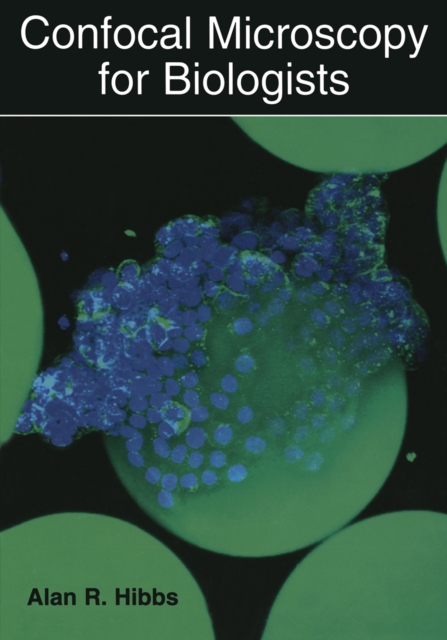
There has been a great upsurge in interest in light microscopy in recent years due to the advent of a number of significant advances in microscopy, one of the most important of which is confocal microscopy.
For the eighth time the yersiniologists all over the world gathered together when the International Symposium on Yersinia was organized by University of Turku and Turku Microbiology Society in Turku, Finland.
In the closing decade of the last century, we saw warnings that infectious diseases will require much more attention from patients and physicians in the 21 st century.
At the beginning of the new millennium, it is opportune to raveling of the molecular pathways of impaired host - review what has been accomplished in the field of infec- fense mechanisms and the characterization of the genetic tious diseases during the last decades of the previous mutations involved, with the prospect of novel strategies century.
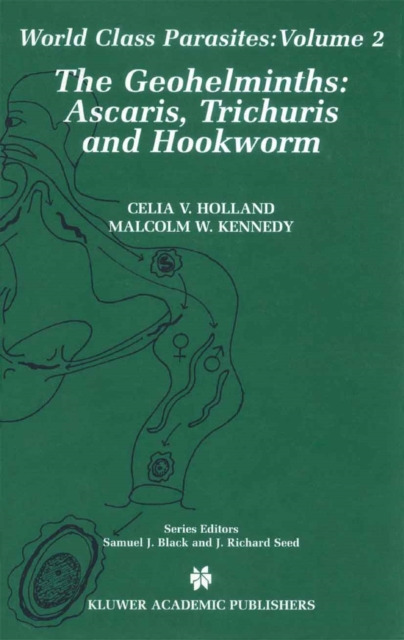
The soil-transmitted nematode parasites, or geohelminths, are - called because they have a direct life cycle, which involves no intermediate hosts or vectors, and are transmitted by faecal contamination of soil, foodstuffs and water supplies.