This book provides up-to-date information on the molecular diagnosis of viral diseases, including COVID-19, zika virus, human immunodeficiency virus (HIV), viral hepatitis, meningitis, and human papilloma virus (HPV).
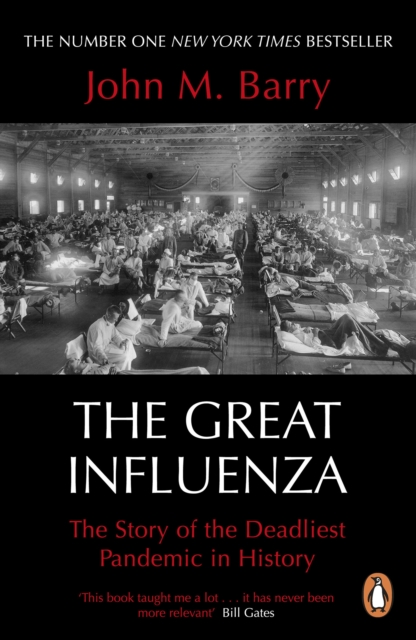
THE #1 NEW YORK TIMES BESTSELLER'Everything you need to know about one of the deadliest outbreaks in human history' Bill Gates'Easily our fullest, richest, most panoramic history of the subject' New York Times Book ReviewIn 1918, the world faced the deadliest pandemic in human history.
This reference examines laboratory techniques and FDA and industry perspectives on medical, food service, and consumer product applications of antimicrobials.
This is an insiders account of 50 years of genetic studies of the soil-inhabiting microbes that produce most of the antibiotics used to treat infections, as well as anti-cancer, anti-parasitic and immunosuppressant drugs.
Despite vaccines and medicines, we have not succeeded in eradicating the most poisonous viruses in the world, like jaundice, measles, diarrhea, polio, and AIDS, not to mention newcomers like West Nile and SARS.
The ecological relationships found to exist between tick vectors and pathogens in their zootic cycle can profoundly influence patterns of transmission and disease for humans and domestic animals.
New epidemics such as AIDS and "e;mad cow"e; disease have dramatized the need to explore the factors underlying rapid viral evolution and emerging viruses.
Oxford Case Histories in Infection and Microbiology contains over 45 well structured cases, providing comprehensive coverage of the diagnostic and management dilemmas in clinical microbiology and infectious diseases.
Oxford Case Histories in Infection and Microbiology contains over 45 well structured cases, providing comprehensive coverage of the diagnostic and management dilemmas in clinical microbiology and infectious diseases.
Challenging Concepts in Infectious Diseases and Clinical Microbiology details over 30 challenging cases from a wide area of infectious diseases, medical microbiology and virology and includes topics ranging from typhoid fever to secondary syphilis.
Challenging Concepts in Infectious Diseases and Clinical Microbiology details over 30 challenging cases from a wide area of infectious diseases, medical microbiology and virology and includes topics ranging from typhoid fever to secondary syphilis.
This book explores the broad and diverse biological and physiological impacts of established and newly discovered cyclic di-nucleotide second messenger signaling systems, while also providing descriptions of the intriguing biochemical characteristics of multiple turnover enzymes and receptors.
This first volume in a two-volume work enhances readers' understanding of antimicrobial resistance mechanisms in selected bacterial species that cause diseases in major food producing animals.
Fully reviewed and revised for its second edition, the Oxford Handbook of Infectious Diseases and Microbiology maintains its position as the must-have guide to all aspects of infectious diseases and microbiology.
Fully reviewed and revised for its second edition, the Oxford Handbook of Infectious Diseases and Microbiology maintains its position as the must-have guide to all aspects of infectious diseases and microbiology.
Many healthcare practitioners understand the role microbiology has within the management of their patients, particularly when this involves wound care and the healing process.
Many healthcare practitioners understand the role microbiology has within the management of their patients, particularly when this involves wound care and the healing process.
Biopolitics and posthumanism have been passA(c) theories in the academy for a while now, standing on the unfashionable side of the fault line between biology and liberal thought.
Biopolitics and posthumanism have been passA(c) theories in the academy for a while now, standing on the unfashionable side of the fault line between biology and liberal thought.