This is an insiders account of 50 years of genetic studies of the soil-inhabiting microbes that produce most of the antibiotics used to treat infections, as well as anti-cancer, anti-parasitic and immunosuppressant drugs.
Despite vaccines and medicines, we have not succeeded in eradicating the most poisonous viruses in the world, like jaundice, measles, diarrhea, polio, and AIDS, not to mention newcomers like West Nile and SARS.
Concisely discussing the application of high throughput analysis to move forward our understanding of microbial principles, Metagenomics for Microbiology provides a solid base for the design and analysis of omics studies for the characterization of microbial consortia.
Ebola's Curse: 2013-2016 Outbreak in West Africa is about hemorrhagic fever viruses, especially Ebola, its initial origin in central Africa 1976, its unprecedented appearance in West Africa in 2013.
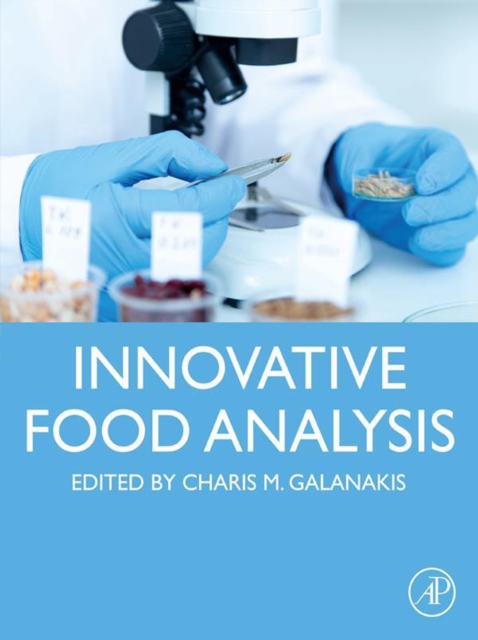
Innovative Food Analysis presents a modern perspective on the development of robust, effective and sensitive techniques to ensure safety, quality and traceability of foods to meet industry standards.
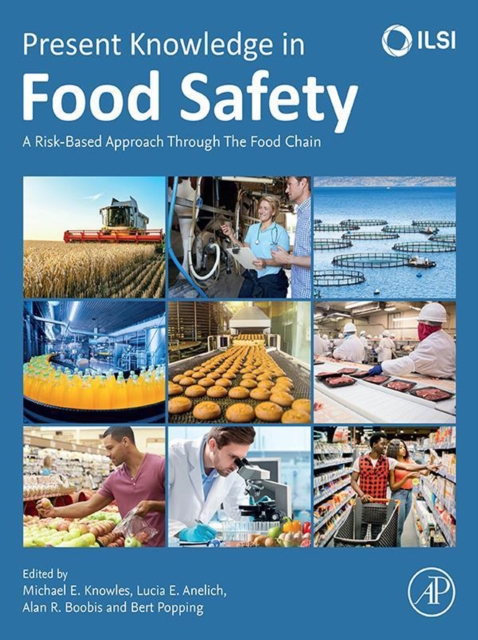
Present Knowledge in Food Safety: A Risk-Based Approach Through the Food Chain presents approaches for exposure-led risk assessment and the management of changes in the chemical, pathogenic microbiological and physical (radioactivity) contamination of 'food' at all key stages of production, from farm to consumption.
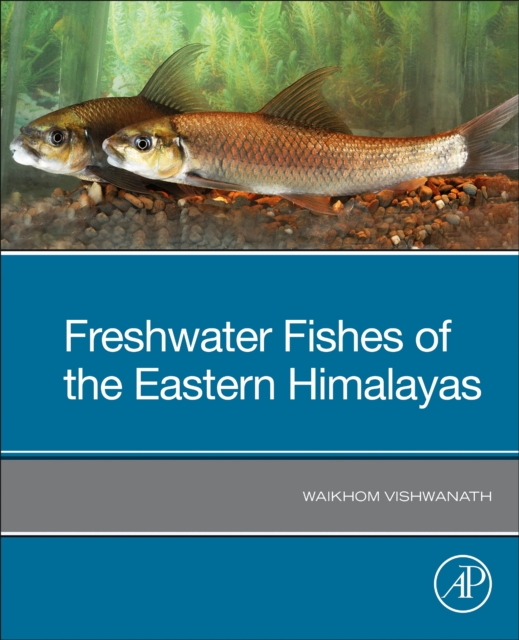
Freshwater Fishes of the Eastern Himalayas provides a guide to describe the internationally accepted methods used in the accurate identification of fishes, morphometry, i.
Advanced Food Analysis Tools: Biosensors and Nanotechnology provides the latest information on innovative biosensors and tools that are used to perform on-site detection tests.
Food Toxicology and Forensics presents an overview on these subjects, along with the analytical tools necessary to handle the complexity of the issues at play between them.
Building the Future of Food Safety Technology: Blockchain and Beyond focuses on evaluating, developing, testing and predicting Blockchain's impact on the food industry, the types of regulatory compliance needed, and other topics important pertaining to consumers.
Food Safety: Past, Present, and Predictions offers a multidisciplinary approach on major food industry regulatory compliance changes that have emerged since the landmark 1993 E.
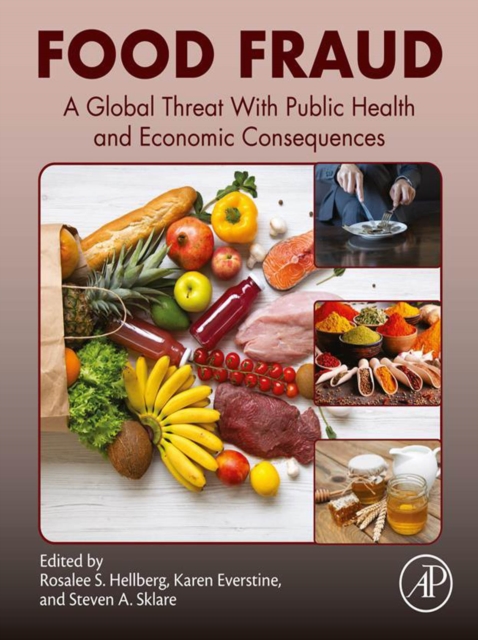
Food Fraud: A Global Threat With Public Health and Economic Consequences serves as a practical resource on the topic of food fraud prevention and compliance with regulatory and industry standards.
Genetically Modified and Irradiated Food: Controversial Issues: Facts versus Perceptions explains the technologies used in these processes so they can be understood by those in general public health, scientific organizations, politicians and opinion makers/policymakers.
Fresh-Cut Fruits and Vegetables: Technologies and Mechanisms for Safety Control covers conventional and emerging technologies in one single source to help industry professionals maintain and enhance nutritional and sensorial quality of fresh-cut fruits and vegetables from a quality and safety perspective.
Antimicrobial Resistance in Agriculture: Perspective, Policy and Mitigation is a valuable industrial resource that addresses complex, multi-factorial topics regarding farm, wild, companion animals, fish, and how the environment plays an important role in amplification and transmission of resistant bugs into the human food chain.
Despite advances in hygiene, food treatment, and food processing, diseases caused by foodborne pathogens continue to constitute a worldwide public health concern.
Hazard Analysis and Risk Based Preventive Controls: Building a (Better) Food Safety Plan is directed to those food safety professionals charged with ensuring or assisting with FSMA's preventative controls (PC) implementation and compliance in their routine job duties.
Food Fraud: A Global Threat With Public Health and Economic Consequences serves as a practical resource on the topic of food fraud prevention and compliance with regulatory and industry standards.
Biology and Ecology of Venomous Marine Scorpionfishes examines the diversity, utilization, and ways to safeguard against the world's most dangerous fish species.
Sustainable Meat Production and Processing presents current solutions to promote industrial sustainability and best practices in meat production, from postharvest to consumption.
The Science of Animal Growth and Meat Technology, Second Edition, combines fundamental science- based and applied, practical concepts relating to the prenatal and postnatal growth of cattle, sheep and pigs.
Dieses Buch bietet differenzierte Diagnostik und Therapie – was, wann, warum - zur sofortigen sicheren Anwendung entsprechend der neuesten Studien und Leitlinien aller wichtigen deutschen, europäischen und amerikanischen Fachgesellschaften.
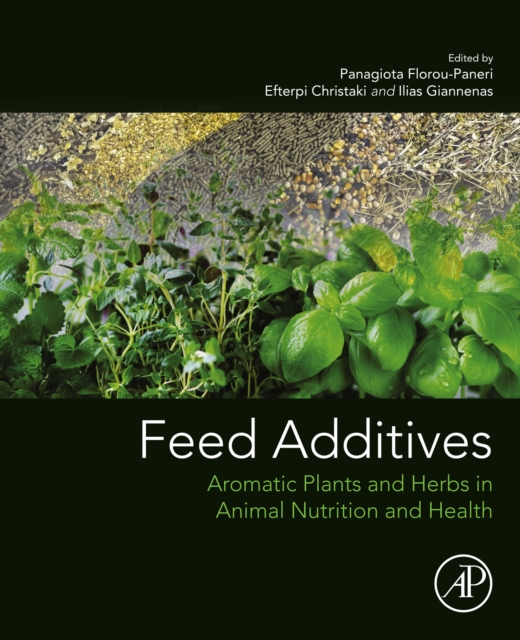
Feed Additives: Aromatic Plants and Herbs in Animal Nutrition and Health explores the use of aromatic plants and their extracts, including essential oils in animal nutrition.
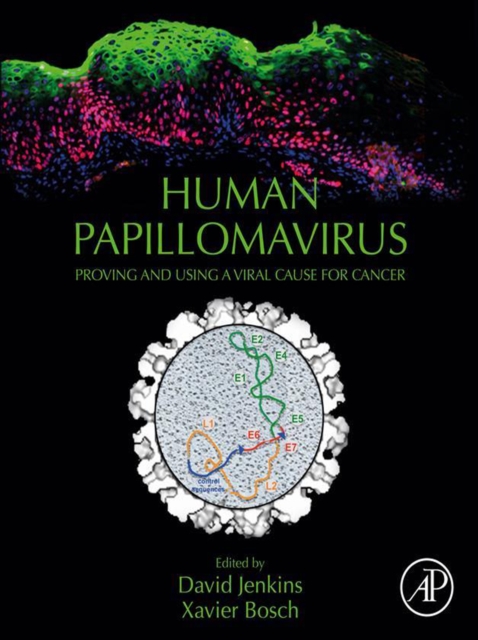
Human Papillomavirus: Proving and Using a Viral Cause for Cancer presents a steady and massive accumulation of evidence about the role of HPV and prevention of HPV-induced cancer, along with the role and personal commitment of many scientists of different backgrounds in establishing global relevance.
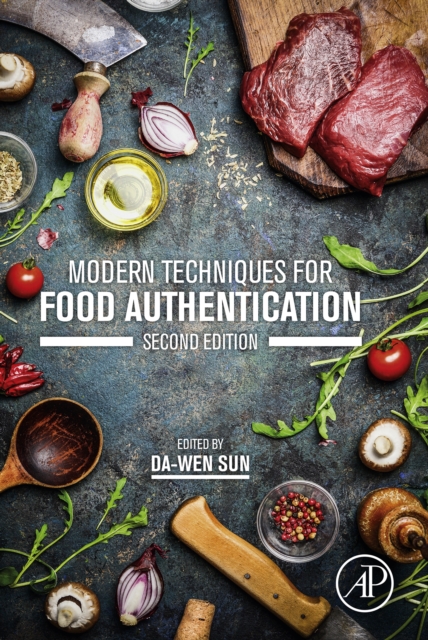
Modern Techniques for Food Authentication, Second Edition presents a comprehensive review of the novel techniques available to authenticate food products, including various spectroscopic technologies, methods based on isotopic analysis and chromatography, and other techniques based on DNA, enzymatic analysis and electrophoresis.
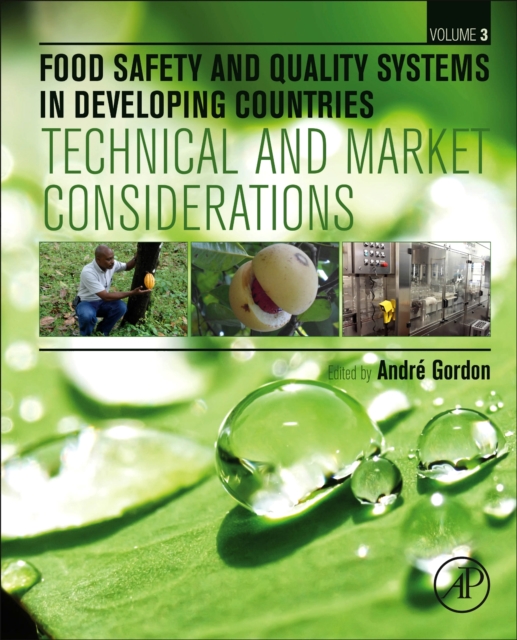
Food Safety and Quality Systems in Developing Countries: Volume III: Technical and Market Considerations is a practical resource for companies seeking to supply food products from developing countries to developed country markets or to transnational business located in developing countries.
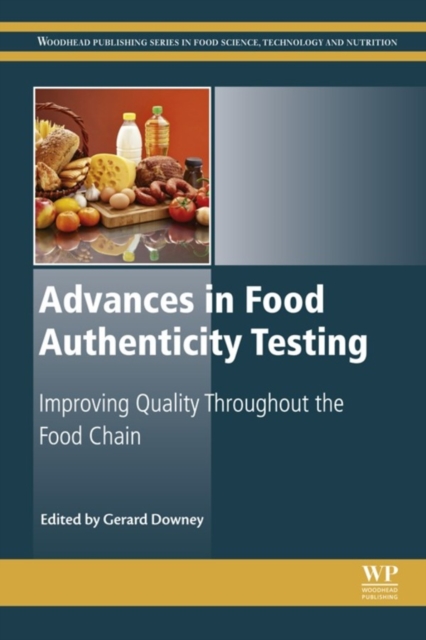
Advances in Food Authenticity Testing covers a topic that is of great importance to both the food industry whose responsibility it is to provide clear and accurate labeling of their products and maintain food safety and the government agencies and organizations that are tasked with the verification of claims of food authenticity.
Ebola's Curse: 2013-2016 Outbreak in West Africa is about hemorrhagic fever viruses, especially Ebola, its initial origin in central Africa 1976, its unprecedented appearance in West Africa in 2013.
Saliva Protection and Transmissible Diseases provides a review of saliva protection, raising debate on micro-organisms potentially transmissible in saliva, and also considering the evidence on diseases that may be transmitted by kissing.
Consumers demand quality milk with a reasonable shelf-life, a requirement that can be met more successfully by the milk industry through use of improved processes and technologies.
Skin Diseases of Cattle in the Tropics: A Guide to Diagnosis and Treatment is a clinical and practical guide to help animal scientists, field veterinarians, veterinary students, and technicians make appropriate and differential diagnoses.
Irradiation for Quality Improvement, Microbial Safety and Phytosanitation of Fresh Produce presents the last six and a half decades of scientific information on the topic.
Validating Preventive Food Safety and Quality Controls: An Organizational Approach to System Design and Implementation is a how-to-guide for food industry personnel providing essential preventative control system guidance to help design and implement scientifically verifiable food safety controls in food processes.
Harnessing the Power of Viruses explores the application of scientific knowledge about viruses and their lives to solve practical challenges and further advance molecular sciences, medicine and agriculture.
Hazard Analysis and Risk Based Preventive Controls: Building a (Better) Food Safety Plan is directed to those food safety professionals charged with ensuring or assisting with FSMA's preventative controls (PC) implementation and compliance in their routine job duties.
Immunology, Volume 1: Immunotoxicology, Immunopathology, and Immunotherapy discusses the investment of time, effort and finance that go into making progress in preventing and/or curing serious diseases by using standard treatments (chemotherapy, radiotherapy, surgery, and hormone therapy).
Food Preservation, Volume Six, the latest in the Nanotechnology in the Agri-Food Industry series, discusses how nanotechnology can improve and control the growth of pathogenic and spoilage compounds to improve food safety and quality.
The Norovirus: Features, Detection and Prevention of Foodborne Disease is a unique and valuable reference for both researchers in industry and students who need to understand how this specific pathogen behaves in order to improve control of food as a transmission of this infectious biological agent.
Food Fraud provides an overview of the current state on the topic to help readers understand which products are being impacted, how pervasive food fraud is, and what laws are in effect across the developed world.
Food Safety: A Roadmap to Success is a hands-on book that discusses the key pieces of the food safety puzzle, culture, management commitment, organizational structure, implementation, and the glue that holds it together, communication/education/training, influence, accountability, and metrics.
Atlas of Oral Microbiology provides a complete description of the oral microbial systems, illustrating them with a large variety of bacteria culture images and electron microscopy photos.
Fenner's Veterinary Virology, Fifth Edition, is a comprehensive reference of global importance that features coverage on viral agents, viral diseases of animals, and newly emerging viral zoonotic diseases.
Concisely discussing the application of high throughput analysis to move forward our understanding of microbial principles, Metagenomics for Microbiology provides a solid base for the design and analysis of omics studies for the characterization of microbial consortia.