Atlas of Lymph Node Pathology reviews the histopathology of nodal diseases, illustrating the use of ancillary studies and includes concise discussions of pathogenesis, clinical settings and clinical significance of the pathologic diagnosis.
Molecular Diagnostics: 12 Tests That Changed Everything focuses on specific laboratory tests and emphasizes how the availability of these tests has altered how clinicians treat their patients.
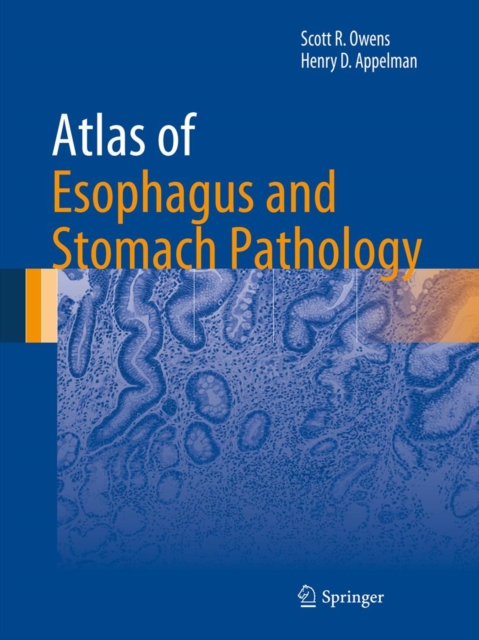
Atlas of Esophagus and Stomach Pathology provides an image-based resource for those studying normal histology of the upper gastrointestinal tract, as well as the microscopic manifestations of developmental abnormalities, toxic insults, infectious diseases, inflammatory and autoimmune conditions, and neoplasia in the esophagus and stomach.
The Frozen Section Library series provides concise, user-friendly, site specific handbooks that are well illustrated and highlight the pitfalls, artifacts and differential diagnosis issues that arise in the hurried frozen section scenario.
Gynecological and Breast Cytopathology Board Review and Self-Assessment is a comprehensive systems-based review of gynecological and breast cytology including cytomorphology, pitfalls and ancillary studies.
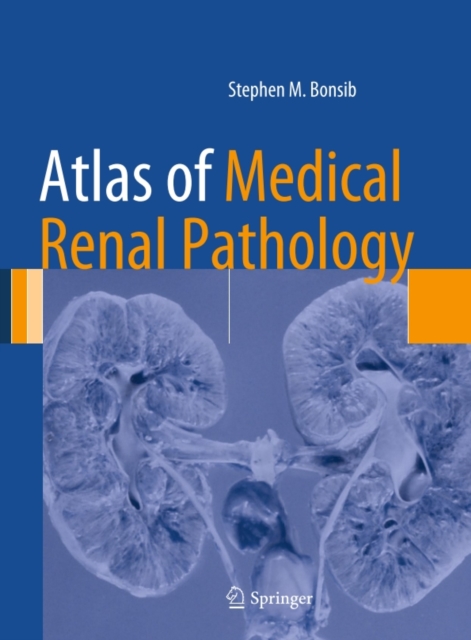
The kidney is an organ with complex organogenesis susceptible to numerous misadventures in development and is exposed to a diverse array of insults of hematogenous and lower urinary tract origin.
This SpringerBrief on Spx reviews the investigations that led to the discovery of Spx and its orthologs and ties together the results of various studies that have explored the function and control of spx in Gram-positive organisms.
This SpringerBrief is comprehensive account of the functions and effects of the Epstein-Barr virus (EBV) EBNA1 protein that relate to EBV-associated cancers and evidence for EBNA1 contributions to these cancers.
Molecular Pathology of Neoplastic Gastrointestinal Diseases reviews the molecular aspects that characterize the spectrum of neoplastic conditions that affect the gastrointestinal tract, providing the reader with current up-to-date knowledge.
The collection of chapters in this proceeding volume reflects the latest research presented at the Aegean meeting on Tumor Microenvironment and Cellular Stress held in Crete in Fall of 2012.
As the population of patients with acute or chronic kidney disease grows, healthcare professionals need a resource that optimizes drug effectiveness while minimizing potential toxicity.
Development of new-generation vaccines is now more challenging than ever, as identifying, purifying and evaluating vaccine antigens is a complex undertaking.
This next volume in the series will provide up to date Information and discussion on future approach to control several challenging Infectious Disease worldwide.
Given rapid research progress and advance of the techniques in studying HIV interactions with host cells and factors, there is a critical need for a book on HIV interactions with DCs.
Ophthalmic Pathology: A Concise Guide provides an introductory book of essential and fundamental information that will give the reader a solid foundation in ophthalmic pathology.
In contrast to the substantial literature that focuses upon innate immune signaling in the gut, there is remarkably less known about the response of the airway to bacterial pathogens.
Providing a true integration of pathology with clinical management, this volume presents a practical, comprehensive text on benign and malignant disease of the adult bladder.
This book details recent findings in the field of cave microbiology and builds on fast-paced efforts to exploit an unconventional and underexplored environment for new microorganisms which may provide an untapped source of drugs: microorganisms from caves.
Addressing all aspects of brain death and thoroughly detailing how a potential organ donor should be maintained to ensure maximum use of the organs and cells, The Brain-Dead Organ Donor: Pathophysiology and Management is a landmark addition to the literature.
This book highlights progress and trends in the rapidly evolving field of complement-related drug discovery and spotlights examples of clinical applications.
This book is a collection of articles written by prominent scientists who gathered in the city of Recife, Brazil, 23-27 October 2010, celebrating the 10th International Symposium on Yersinia.
Atlas of Conducted Electrical Weapon Wounds and Forensic Analysis provides a comprehensive publication on the subject of Conducted Electrical Weapon (CEW) wounds and signature markings created by this class of weapon.
In multicellular organisms the establishment, maintenance, and programmed alterations of cell-type specific gene expression patterns are regulated by epigenetic mechanisms.
Written to satisfy a wide audience, from basic scientist to clinical researcher, this volume explores such varied concepts as: the influence of CBF in the pathotrajectory of TBI, modeling TBI as a means to understand underlying pathological states associated with brain injury victims, disrupted vasculature following head trauma and advanced imaging techniques, vasoreactive substances underlying disrupted blood flow, the role of age and sex on injury outcome, and the latest pre-clinical rationale for focusing on CBF and strategies to improve blood flow as a means to improve outcome in patients suffering the effects of TBI.
Significantly expanded, expertly and beautifully illustrated, The AJCC Cancer Staging Atlas, 2nd Edition, offers more than 600 illustrations created exclusively for this new edition and is fully updated to reflect the concepts discussed in the 7th Edition of both the AJCC Cancer Staging Manual and its companion Handbook.
This new volume fills the gap in the literature as it will guide urologists and pathologists in the proper utilization of a variety of laboratory methods that are currently available to determine the presence, persistence or progression of tumors of the lower urinary tract.